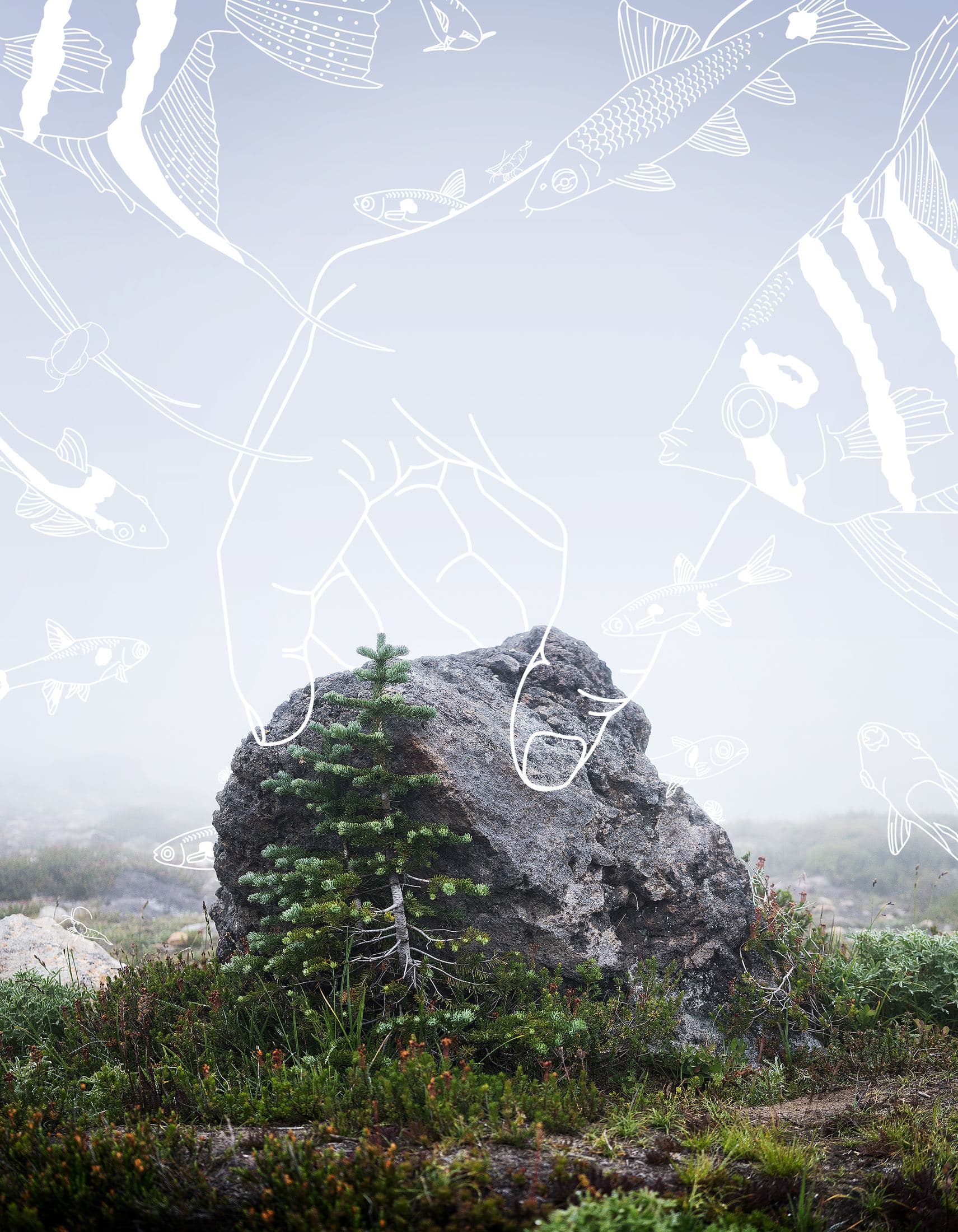
Introduction
Greetings! My name is Dou (like cookie dough)
The practice of aquascaping immersed me into nature; where I delved into my thoughts and grew my being. I experienced both physical and emotional challenges. Eventually, I formed habits for happiness and structures for self-renewal. Under the forest canopy, the foundation of my presence was laid; and in here, I continue to build.
This book is the product of my passion and gratitude. It is full of my honesty and sincerity. Through sharing my photo journal, personal experiences and outdoor adventures — I hope to help you feel a little more at ease in this world, to provide some comfort for your slow days, and to assist you in your (aquascaping) journey on earth.
Aquascape
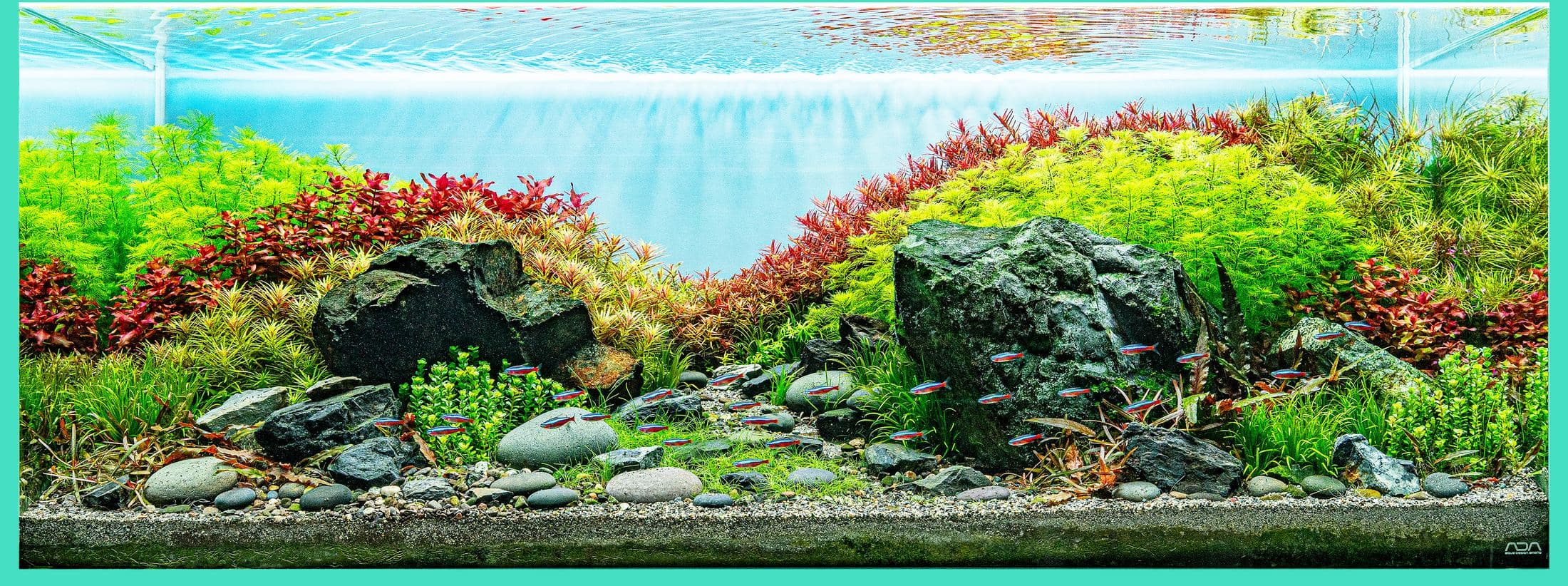
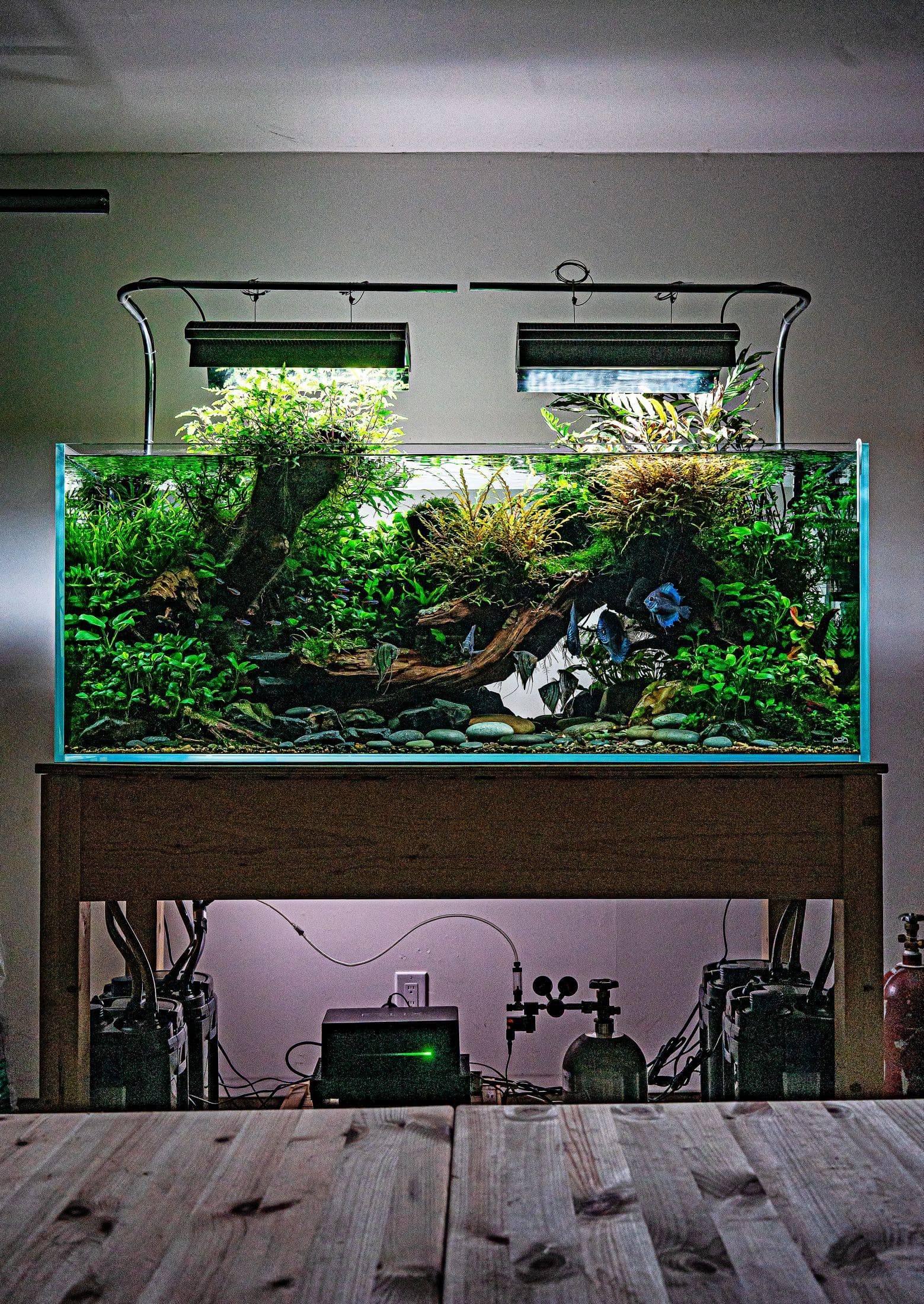
“Awakening”
Equipment
- ADA 120P
- ADA SOLAR RGB x2
- OASE Biomaster Thermo 600 x2
Plants
- Rotala H'ra
- Rotala Bonsai
- Rotala Macranda
- Limnophila Aromatica
- Blyxa Japonica
- Hygrophila Araguaia
- Cryptocoryne Undulatus 'Red'
- Pogostemon Stellata
- Myriophyllum Mattogrossense
- Ranunculus Inundatus
- Eleocharis Acicularis 'Mini'
- Lilaeopsis Mauritiana
- Java Moss
Fauna
- Cardinal Tetra (Paracheirodon Axelrodi)
- Amano Shrimp
- Cherry Shrimp
Parameters
- Hardscape ADA Yamaya Stone, River Stones
- Substrate ADA Amazonia, Pea Gravel, Cool Landscaping Sand
- Light Period 7.5 Hours
- CO₂ 8 BPS, 5.5 Hours
- Temperature 22°C
- Water Change 50%, Once per week
- TDS 100
Reflection · Nature · Exploration
Awareness
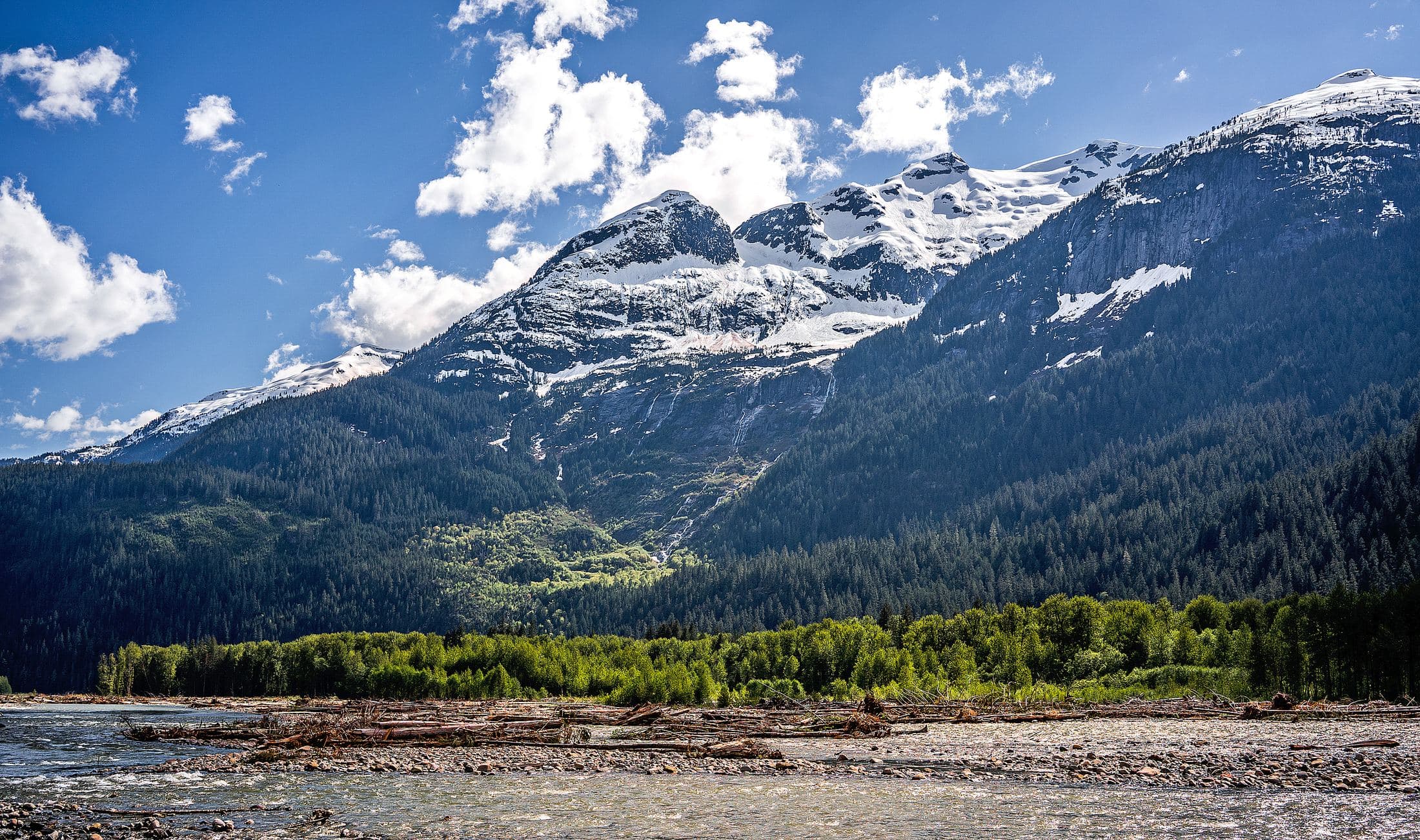
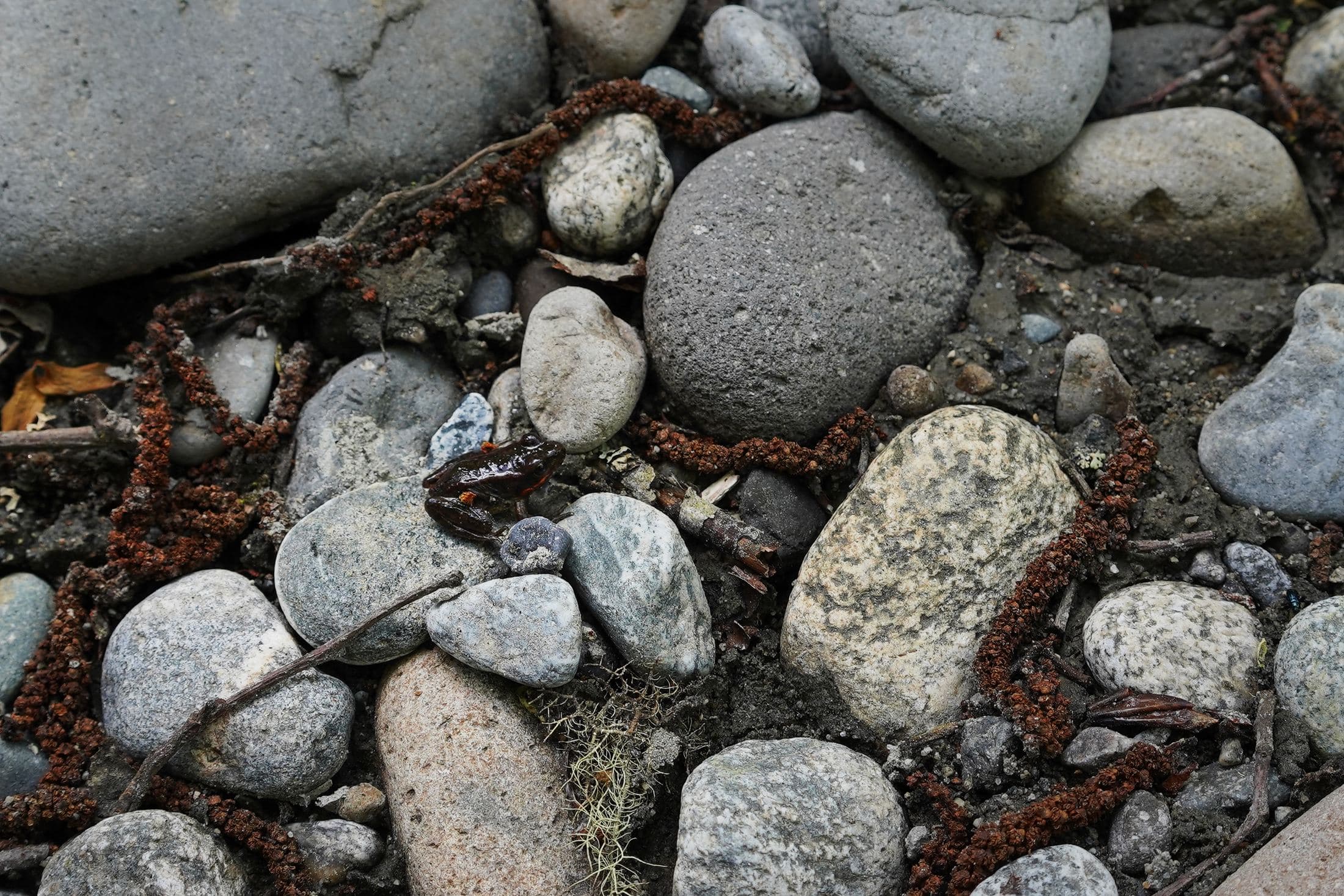
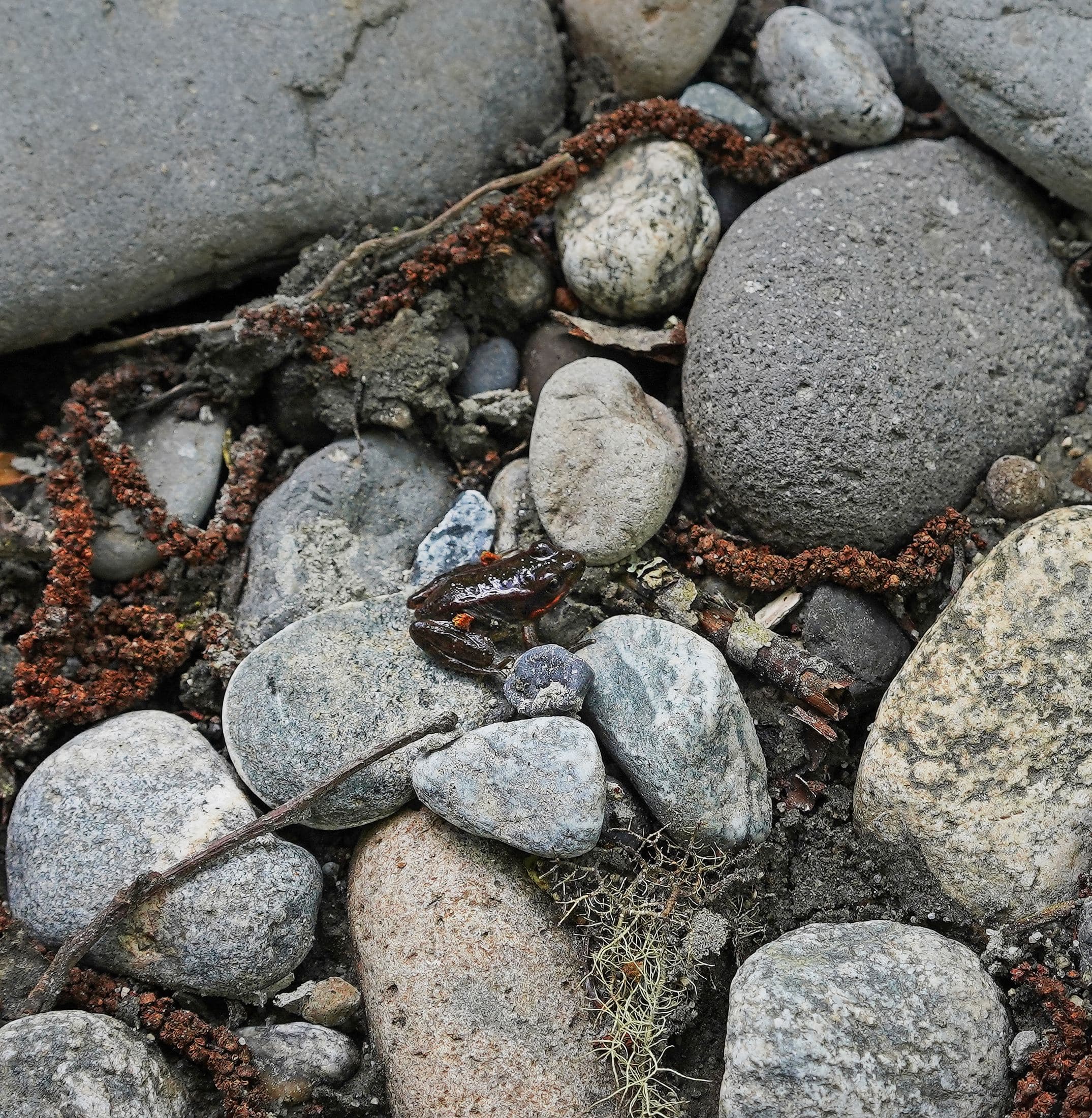
I took a deep breath in slowly just like I had practiced at home. As I marvelled at the Squamish river, meandering its way down towards the Pacific Ocean, a wave of gratitude hit me. This was an area I waded through at the end of every autumn in the pursuit of catching salmon and trout. I felt its bounty and abundance; frozen hands and all.
I also understood its strength. You could be swept away in a flash, gone in seconds; and most ironically, the easiest way to move through it is to surrender to it first — carefully, one leg down at a time. This river has persevered against the test of time and will likely endure humans too. In that moment, the inevitability of death sunk in... One day, it will be my turn to become pebbles.
A gust of zen gently caressed my body amidst the cool breeze of the Pacific NorthWest. Mother Nature had discretely seduced me into a state of being. Problems I had agonized over turned into opportunities for growth. Self-imposed deadlines were no longer life or death situations. I don't have to rush. There was more than enough time, for everything.
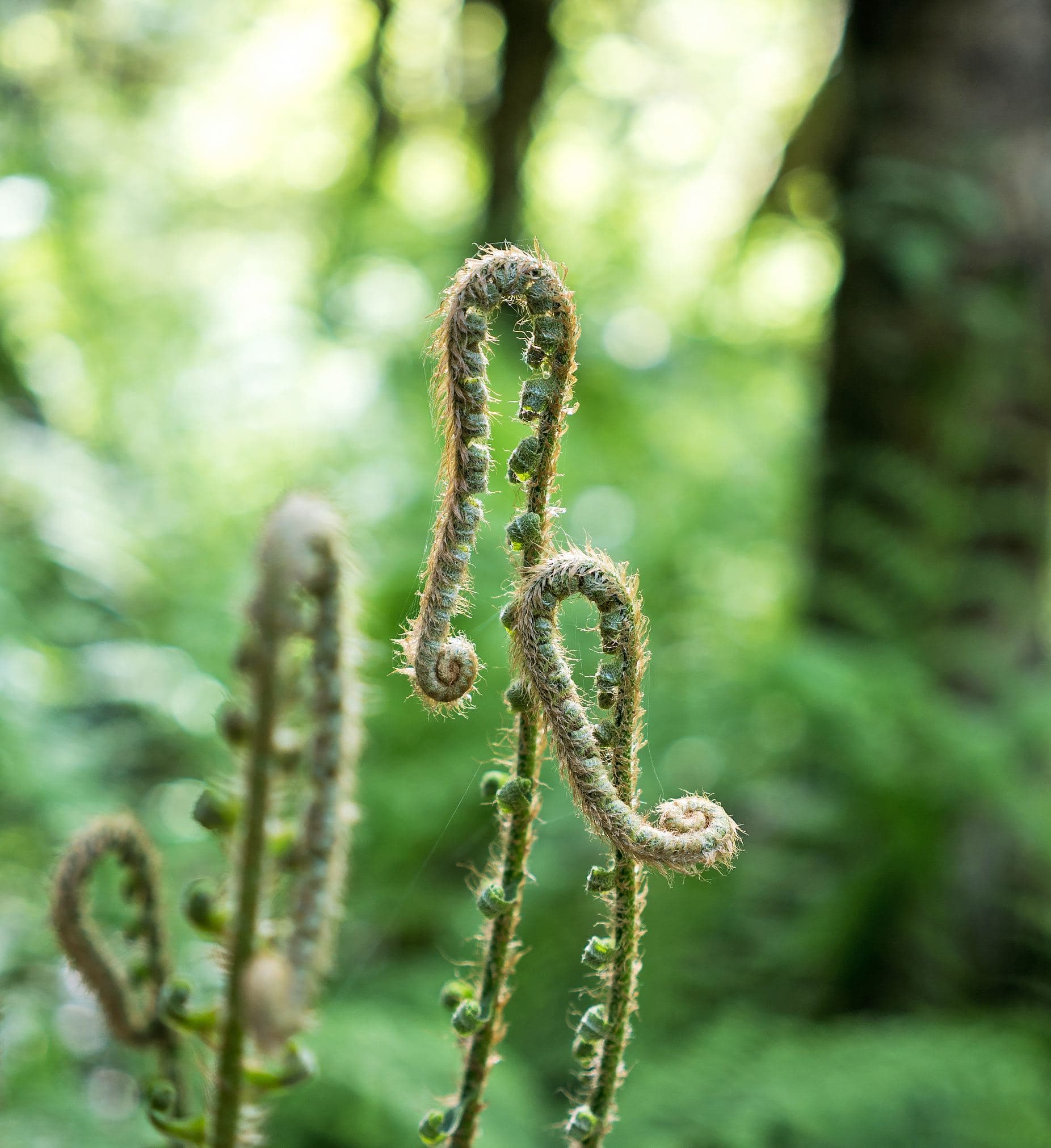
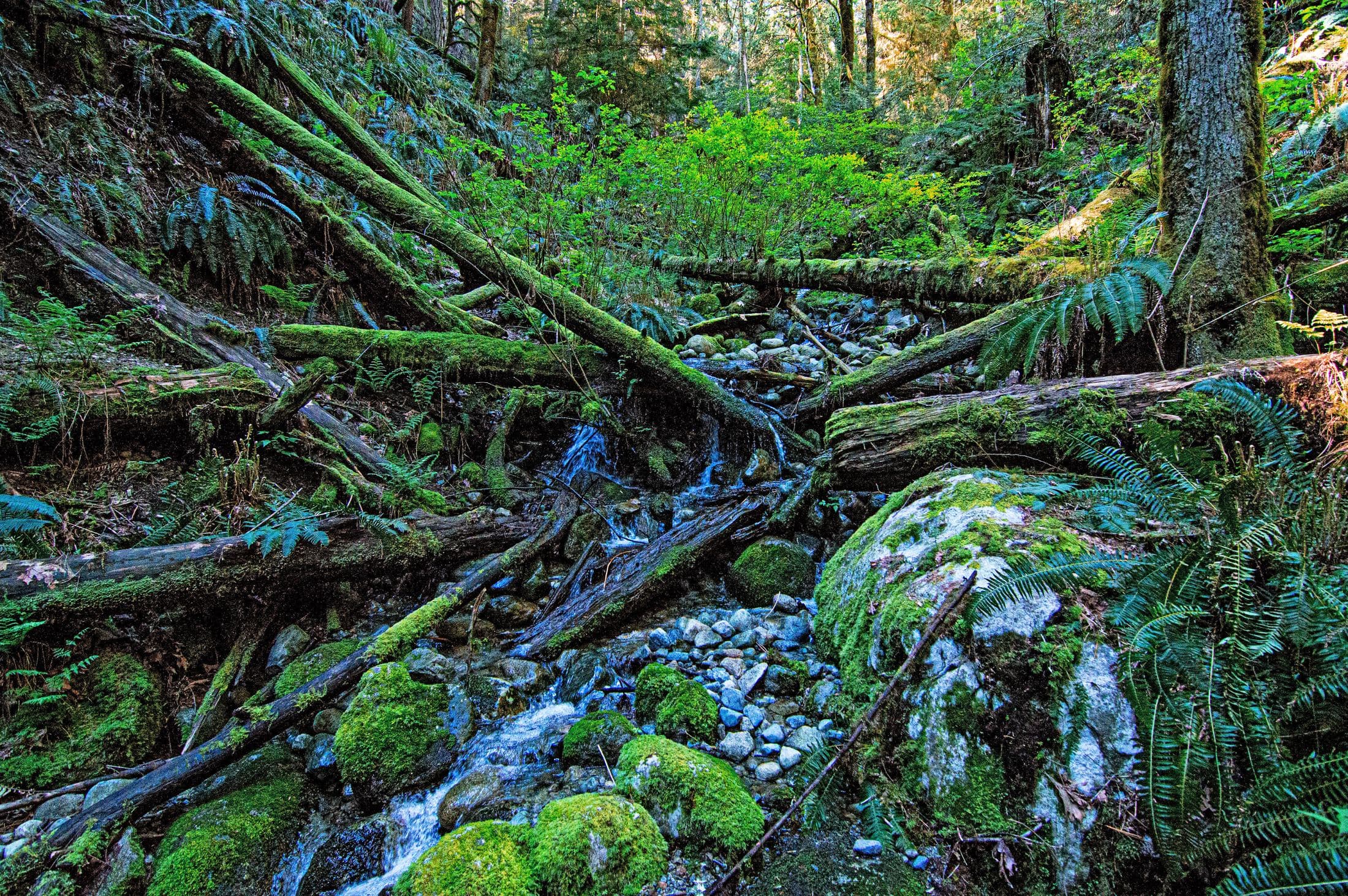
I practiced aquascaping to soothe my anxiety; and in the process, ended up falling in love with nature. I followed small streams that converged into larger rivers, shivered in the chill of the shadows behind the mountains, heard bald eagles whistling high above me, and felt the fear of stumbling into bear tracks. Once, I even went off the trail. It was wild — but not exactly me.
Aquascape
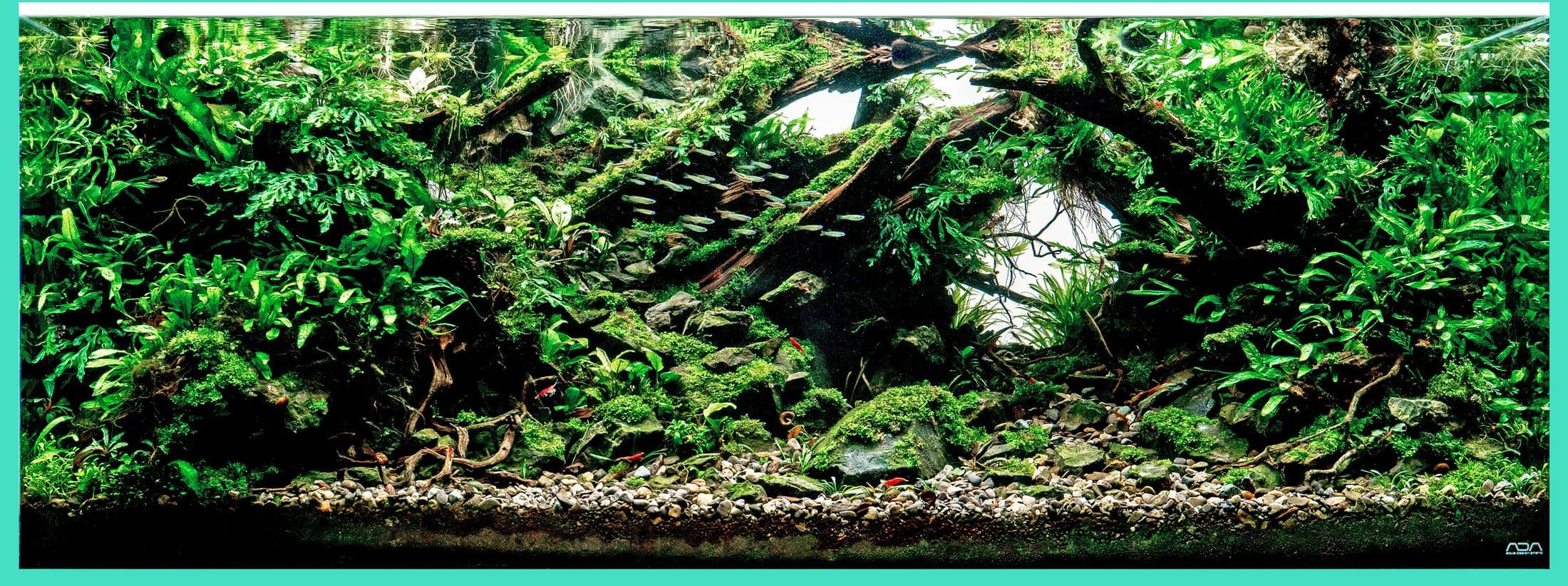
“Pacific Northwest”
Equipment
- ADA 120P
- ADA SOLAR RGB x2
- EHEIM Classic 2215 x2
Plants
- Anubias Petite
- Anubias Pinto
- Blyxa Japonica
- Bolbitis Heudelotii
- Bucephalandra Various Sp.
- Crypt Albida Brown
- Crypt Parva
- Crypt Wendtii Brown Mini
- Glossostigma Elatinoides
- Java Fern
- Java Fern Narrow
- Java Fern Red
- Java Fern Sunset
- Java Fern Trident
- Java Fern Windelov
- Riccardia Chamedryfolia
Fauna
- Norman Lampeye
- Somphongsi Rasbora
- Pygmy Corydora
- Cherry Shrimp
- Otocinclus Catfish
- Ramshorn Snail
Parameters
- Hardscape Manzanita Wood, ADA Yamaya Stone
- Substrate ADA Amazonia, Pea Gravel
- Light Period 7 Hours
- CO₂ 3–4 BPS, 5 Hours
- Temperature 22°C
- Water Change 25%, 2× per week
- TDS 175
Aquascaping · Maintenance · Algae
Persistence
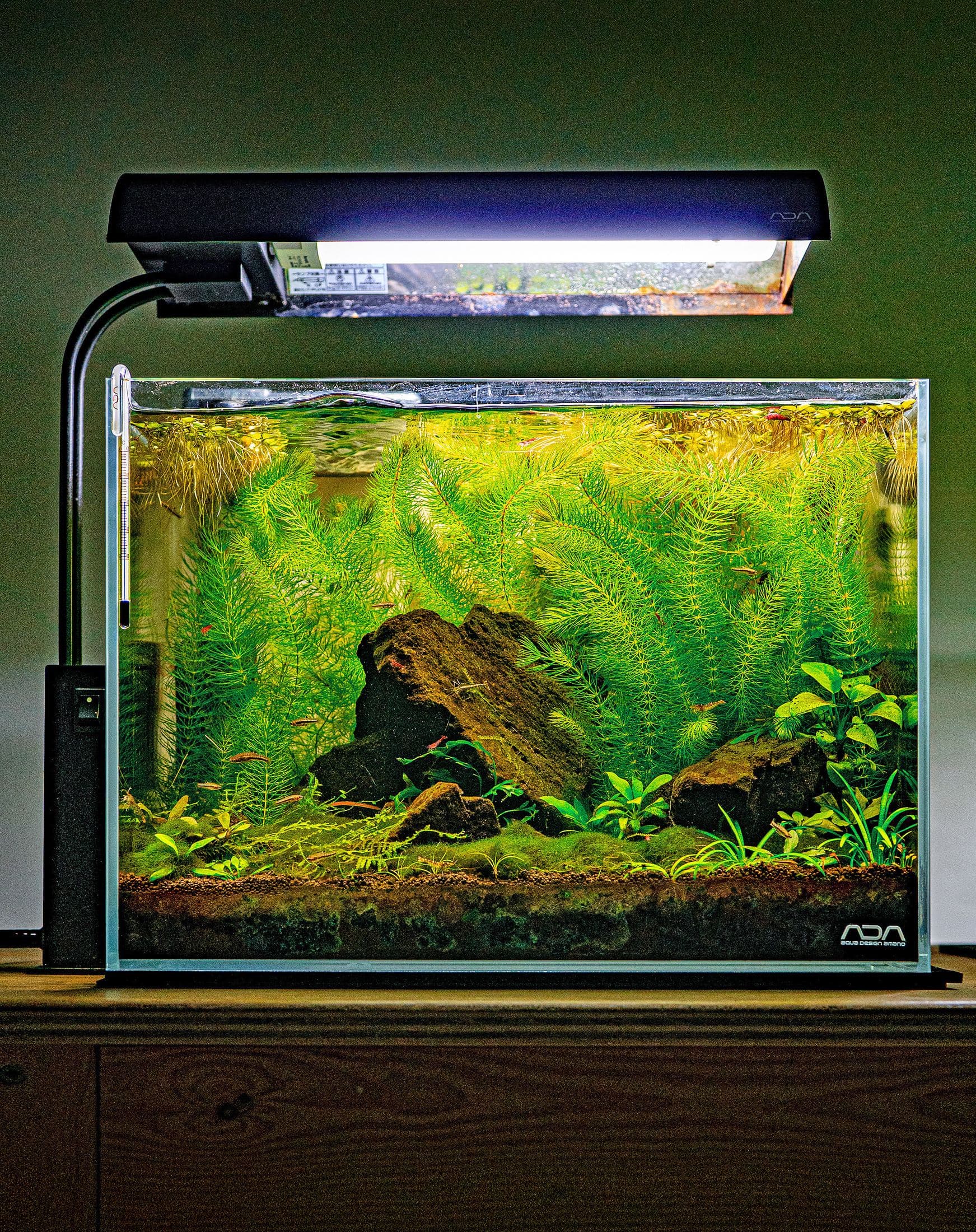
This isn't a dream right? I thought I had figured it all out; but here I was, once again, contemplating the meaning of life. Black beard algae coated my hardscape like sherpa fleece. When did this happen? Green hair algae fused with my plants. Where did I mess up? Staghorn algae forked from every crevice. What do you call a nightmare that comes true?
This is wrong, so wrong — and I'm going to fix it. My photo period was already low at only 6 hours though. And I couldn't change the intensity; there was only one setting: on or off (this was the price I paid for valuing aesthetics). Regardless, given my heavy usage of epiphytic plants combined with their slow-growing nature, an abundance of light energy was a fact.
First things first — increase the plant mass. About 20 potted plants should do. There wasn't much room in the layout itself so I floated them in their original containers anywhere they could sit upright on. It was predominantly a mix of stem plants with a bit of Anubias. Maybe I don't have enough CO₂; let's bump that up a notch too.
I also prescribed myself 6 Black Mollies, 3 Panda Garras and 3 Silver Flying Foxes. My current algae eating crew consisted of only Amano shrimp and Otocats; they could use additional mouths. This should do the trick. On the surface, I was in total control. But deep beneath, I had given up on life. Dealing with algae is never "fun". It breaks your heart — then leaves you awake in bed for hours.
After 3 tense months, the potted plants exploded in growth; and had completely overwhelmed the algae. However, only a single member of the new squad remained. A few black tufts lingered on the wood, but otherwise, it felt like I was floating in a green phyton sanctuary. I couldn't believe it actually worked. Wow. Life is pretty good.
Aquascape
“Meeting Spot”
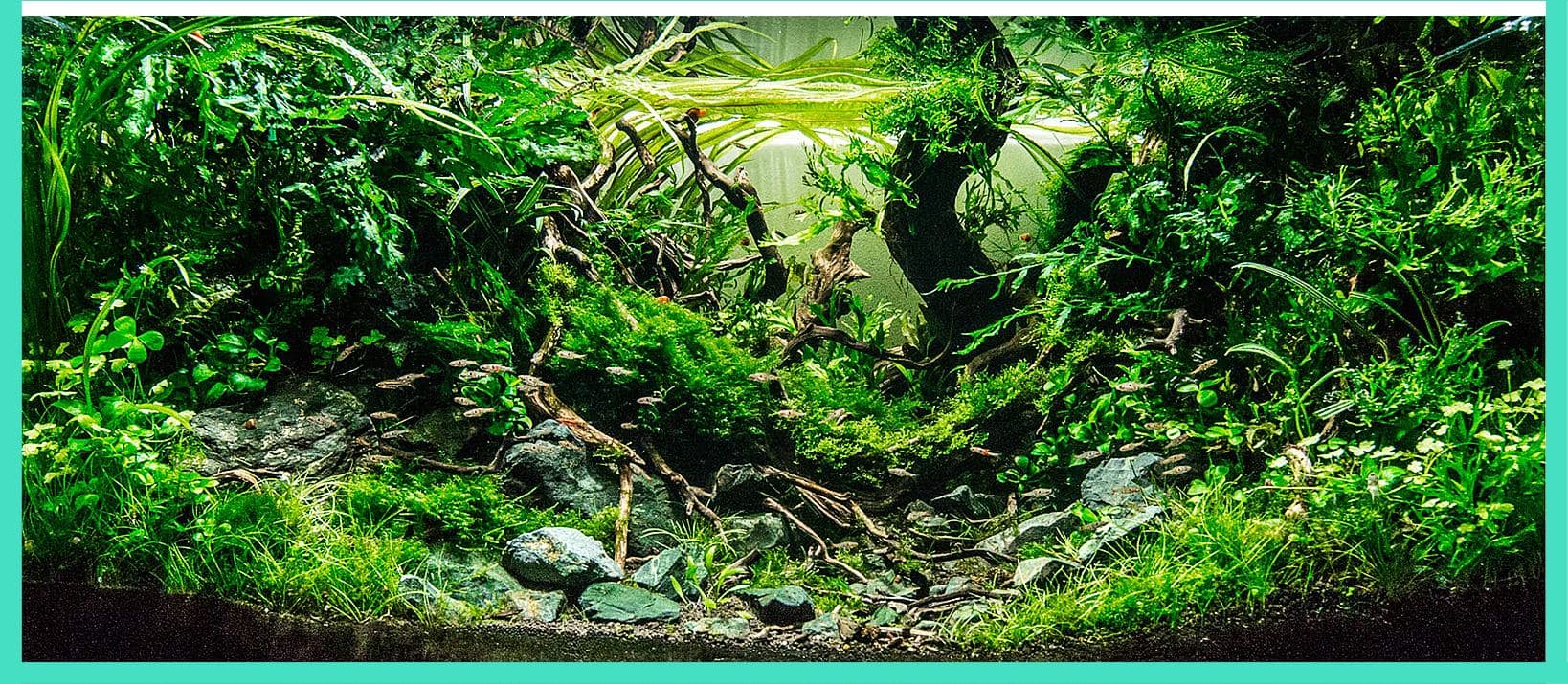
Equipment
- CUSTOM 75x40x36cm
- ADA SOLAR-I
- Eheim Classic 2217
Plants
- Crypt Balansae
- Bolbitis Heudelotii
- Bolbitis Heteroclita
- Java Fern Windelov
- Dwarf Hair Grass Mini
- Marsilea Hirsuta
- Hydrocotyle Tripartita
- Fissidens Moss
- Mini Pellia
- Anubias Petite
- Aridarum White Fang
- Crypt Parva
- Dwarf Sagitarrius
- Crypt Green Gecko
- Java Moss
Fauna
- 3-Spot Rasbora
- Sparrow Rasbora
- Otocinclus Catfish
Parameters
- Hardscape Mazanita Wood, ADA Yamaya Stone
- Substrate ADA Amazonia
- Light Period 6 Hours
- CO₂ 2-3 BPS, 5 Hours
- Temperature 22°C
- Water Change 50%, Once per week
- TDS 150
Guide
Algae Management
Considerations & Suggestions
Light Period: 5–7 Hours
- Any light energy not used by your plants will be used by algae. Reducing the light period can help slow down the growth and spread.
Nutrients: No Dosing
- Any elements in the water column (ex. N, P, K, Mg, etc.) not used by plants will be taken advantage of by algae. Keeping the water column lean will provide a window for plants to become the dominant mass.
Plant Mass: Increase Quantity
- Add as many plants as you can into your tank. You will want to do your best to ensure all the light you're providing is used by plants, and not algae. I recommend adding floating plants like Salvinia and Frogbit.
Fish Food: Minimize Waste
- Feed your fish in small amounts and ensure that no food is left uneaten. I've noticed from my experiments that this is one of the biggest contributing factors to algae growth.
Algae Outbreak Maintenance
Turn your filter off.
Whatever compounds you end up kicking up during your maintenance session, you will want to contain it within the aquarium so it can be easily siphoned out later during the last step. It's cleaner this way, trust me.
Manually remove algae.
If you have dust algae on the glass, use a paper towel to wipe it off. If you have hard green spot algae, use a scraper to remove it. Try your best to find a tidy way to separate and extract these pseudo-plants from your aquarium.
Trim plants.
Remove plant leaves/fronds that have algae growing on them (you may have to get rid of the entire stem). Regular trimming and maintenance of plants will help them focus on new healthy growth — which will work harder to suppress algae.
Perform water change.
After you've finished cleaning your tank, replace 25–50% of the water with fresh water. Do your best to suck out any free floating algae and detritus. Keep your water column as lean as you can; do not add any supplemental nutrients.
Repeat the process.
Once per week. Be persistent and don't miss a water change. Perhaps try one of my suggestions — things usually improve at a quicker pace when you give it some extra love!
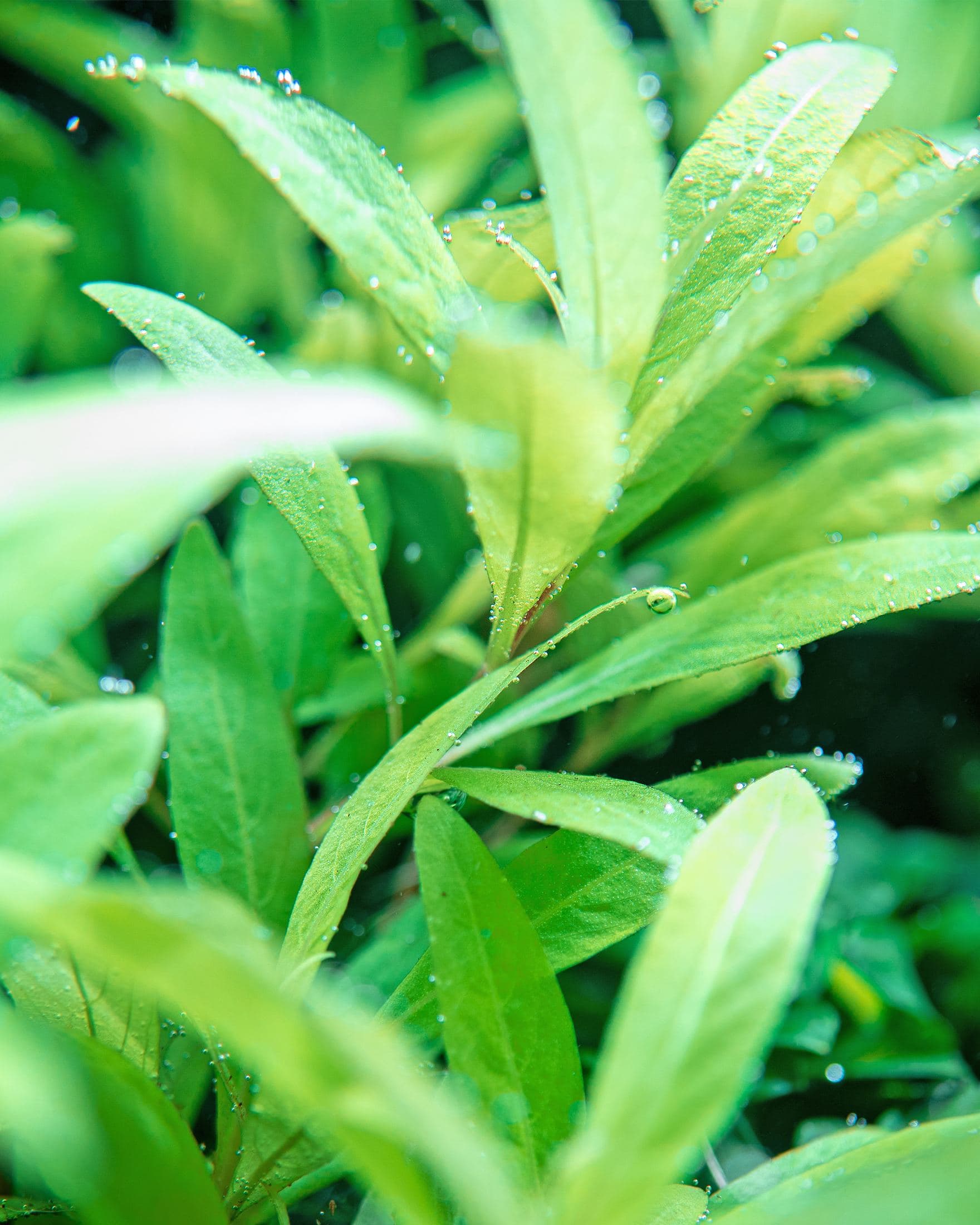
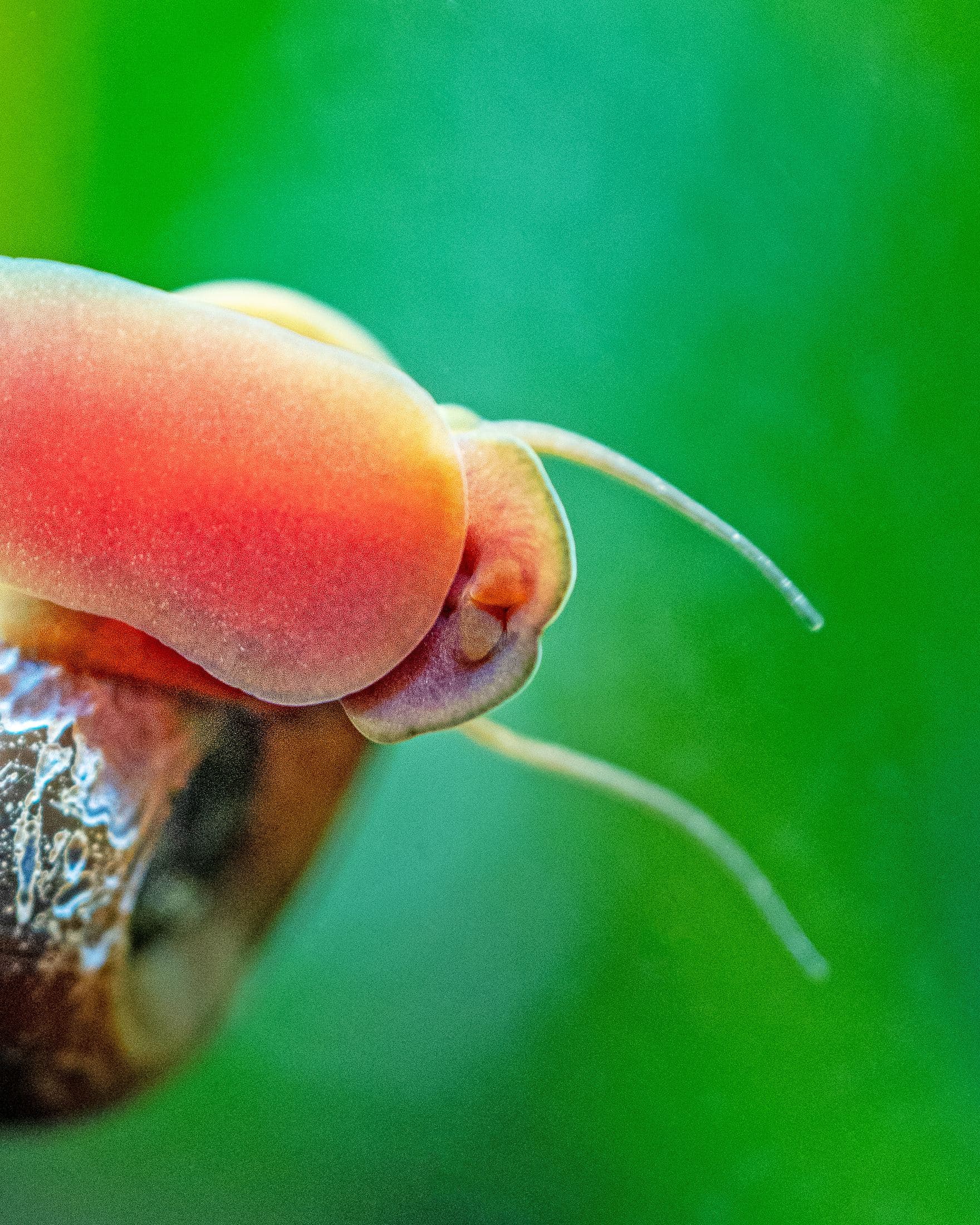
Reflection · Experience · Gratitude
Confidence
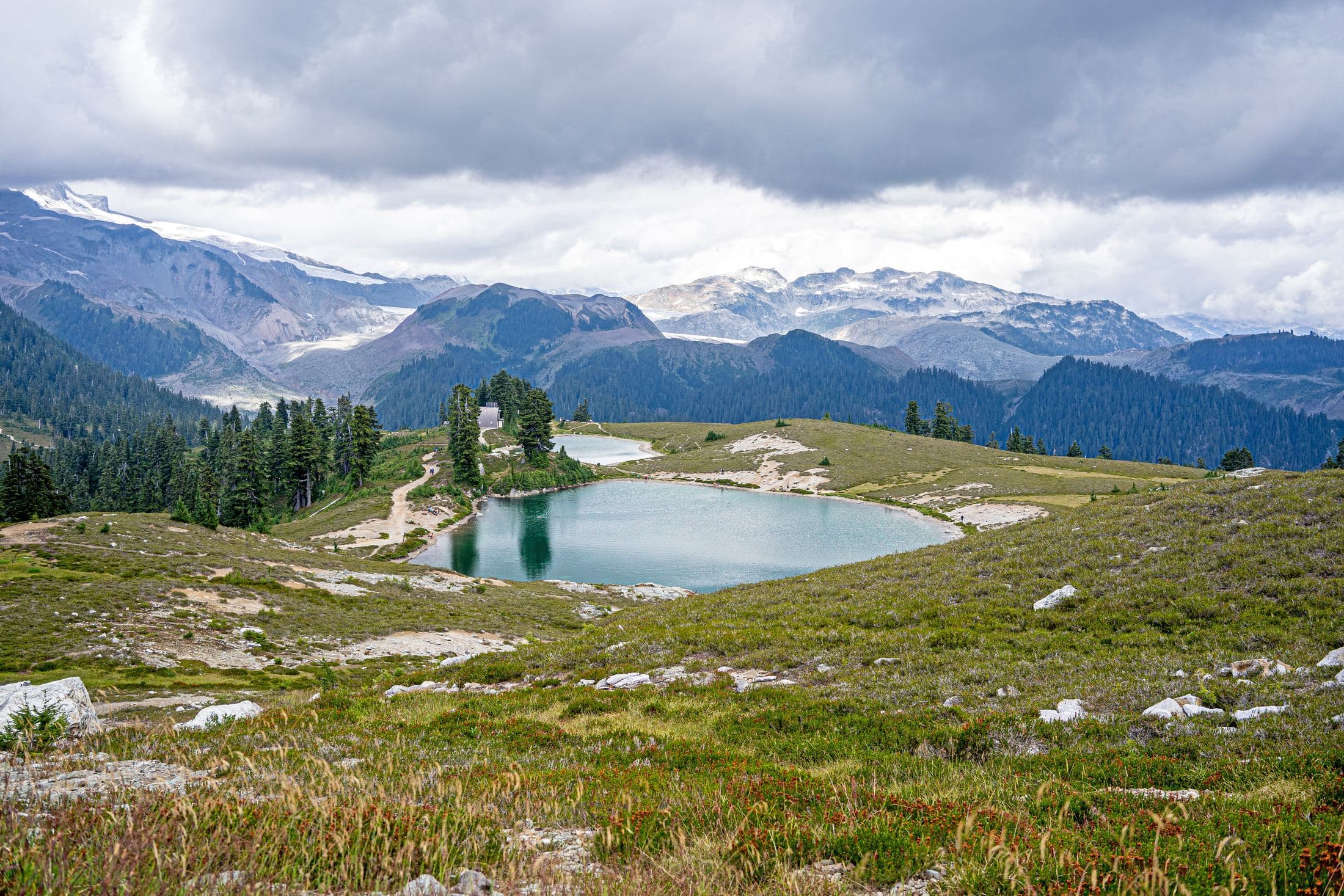
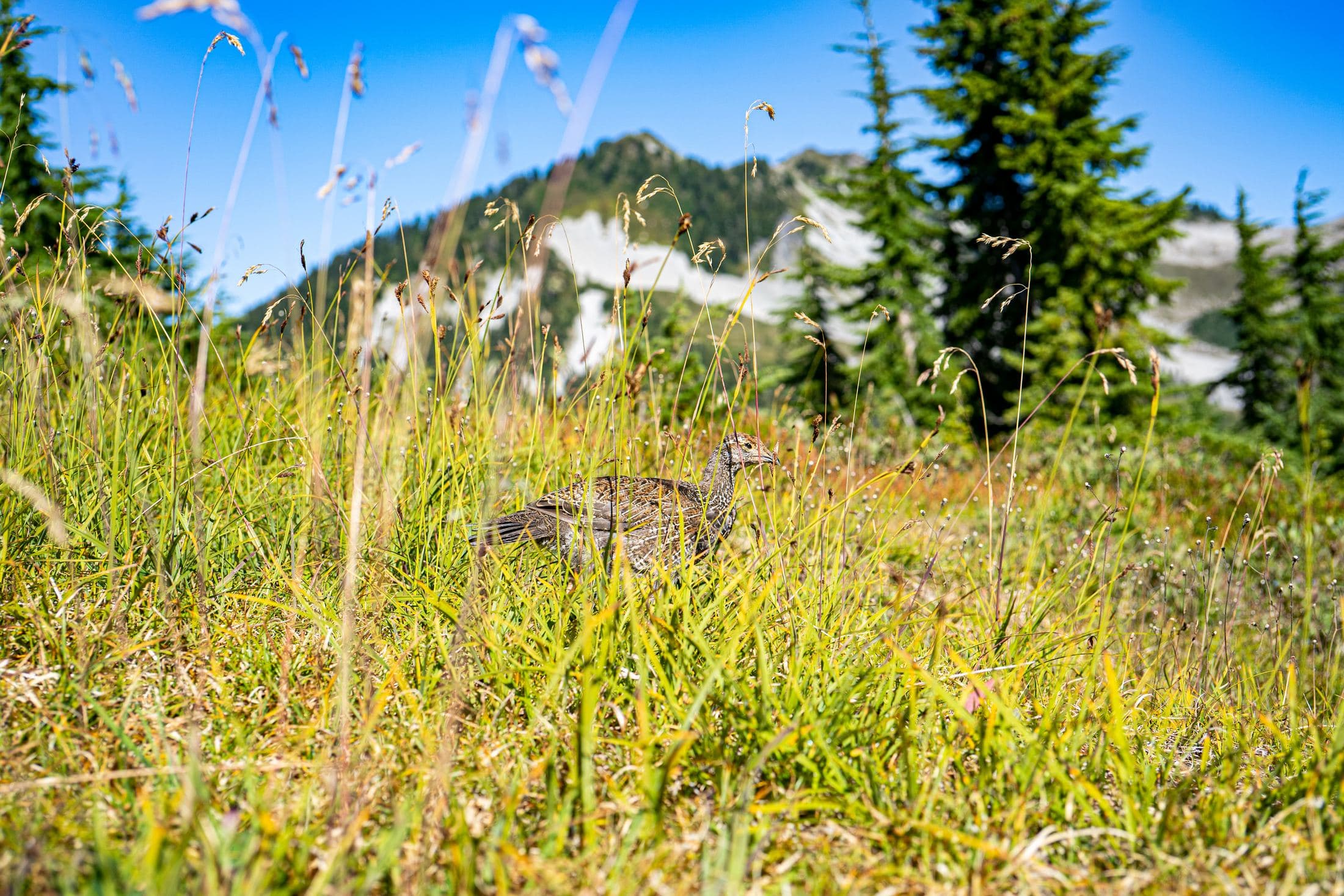
The trail to Elfin Lakes was 22 kms round trip, included soft undulating hills and featured two lakes. One basin was meant for sustenance, and the other entertained weary hikers with swimming abilities. Whisky Jacks had been following me on the way up — looking for an easy snack I bet. They were thick for supposedly wild birds — and just so darn cute. Fine. I'll share. I picked out an almond from my trail mix — and held my palm up. Gobbled in seconds.
I could not help but feel thankful for human ingenuity. It only took 25 lbs of equipment to survive one night in the mountain comfortably: the ultra-lightweight tent that protects me from the weather, the sleeping bag and air mattress that compresses down to nothing, the pocket rocket plus portable gas that's heating up my dinner, and this mechanical pump that purifies water for drinking. Goodness, humans. We might be too smart.
After I arrived at the camp site, then unpacked my gear, set up the tent, and stretched my toes. The final step was to clip my reservation papers to the post at the corner. I had carried just enough supplies to make it through one evening. Tonight, I was having ox-bone flavoured instant noodles with some frozen rib-eye slices and baby bok choy. I was infatuated with this experience. Our world, it's truly amazing.
While I waited for dinner to fire up, a mountain sunset shared its greetings. Its healing rays warmed my soul and brought about a clarity to my tentative thoughts. We don't need to prove to anyone what we are. We don't need a grand reason to do what we love. Sometimes we need encouragement. Sometimes we need silence. Things change all the time. If we're okay, that's enough, really.
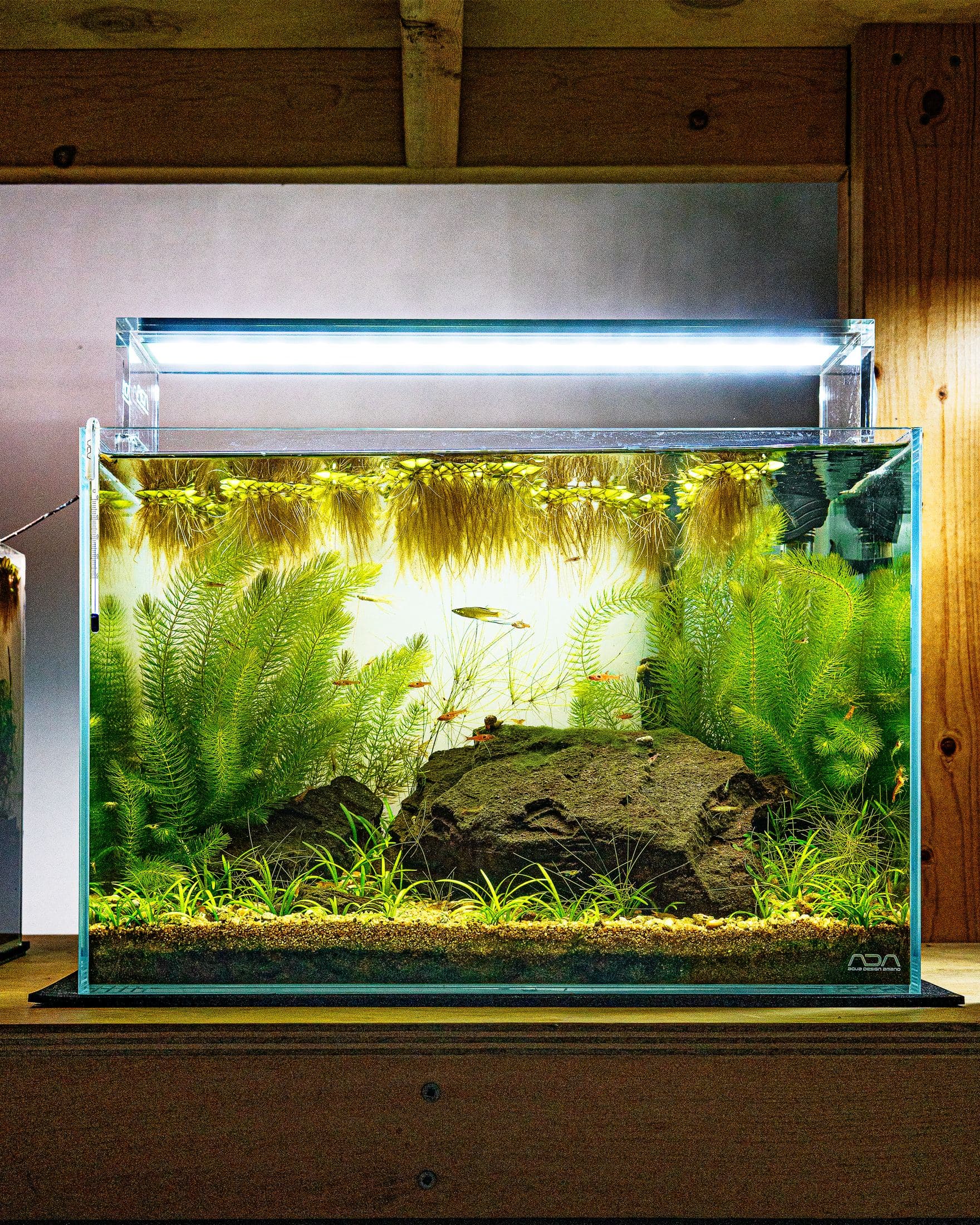
Aquascape
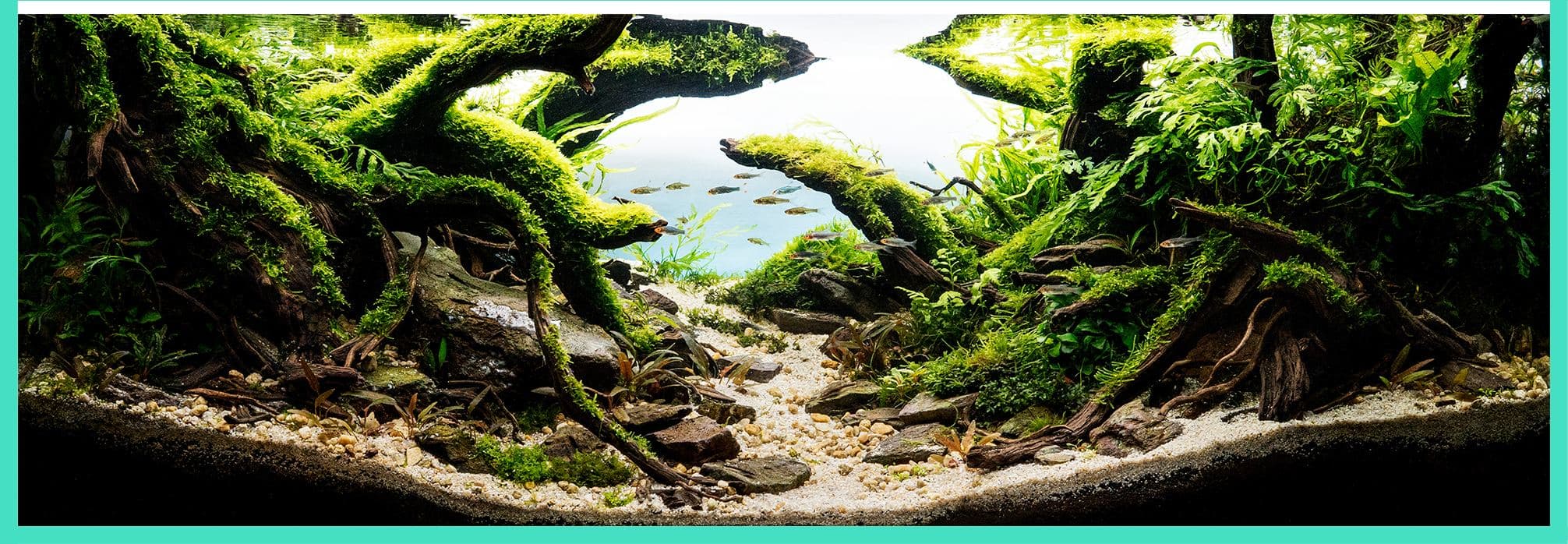
“Reaching Zen”
Equipment
- CUSTOM 100x40x36cm
- Finnex 24/7+ Planted x3
- EHEIM Classic 2215 x2
Plants
- Bolbitis Heudelotii
- Anubias Petite
- Crypt Wendtii Kompakt
- Crepidomanes Auriculatum
- Crepidomanes cf. Malabaricum
- Mini Christmas Moss
- Java Moss
- Java Fern Red
- Java Fern Narrow
- Fissidens Moss
- Mini Pellia
- Bucephalandra Catherine
Fauna
- Asian Rummynose Tetras (Sawbwa Resplendens)
- Otocinclus Catfish
- Neocaridina Heteropoda (Wild)
Parameters
- Hardscape Manzanita wood, ADA Yamaya Stone
- Substrate ADA Amazonia, ADA La Plata Large, ADA La Plata, ADA Colorado, ADA Power Sand-S, Lava Stone
- Light Period 6.5 Hours
- CO₂ 3-4 BPS, 5 Hours
- Temperature 23°C
- Water Change 35%, Once per week
- TDS 150
Reflection · Nature · Attachment
Courage
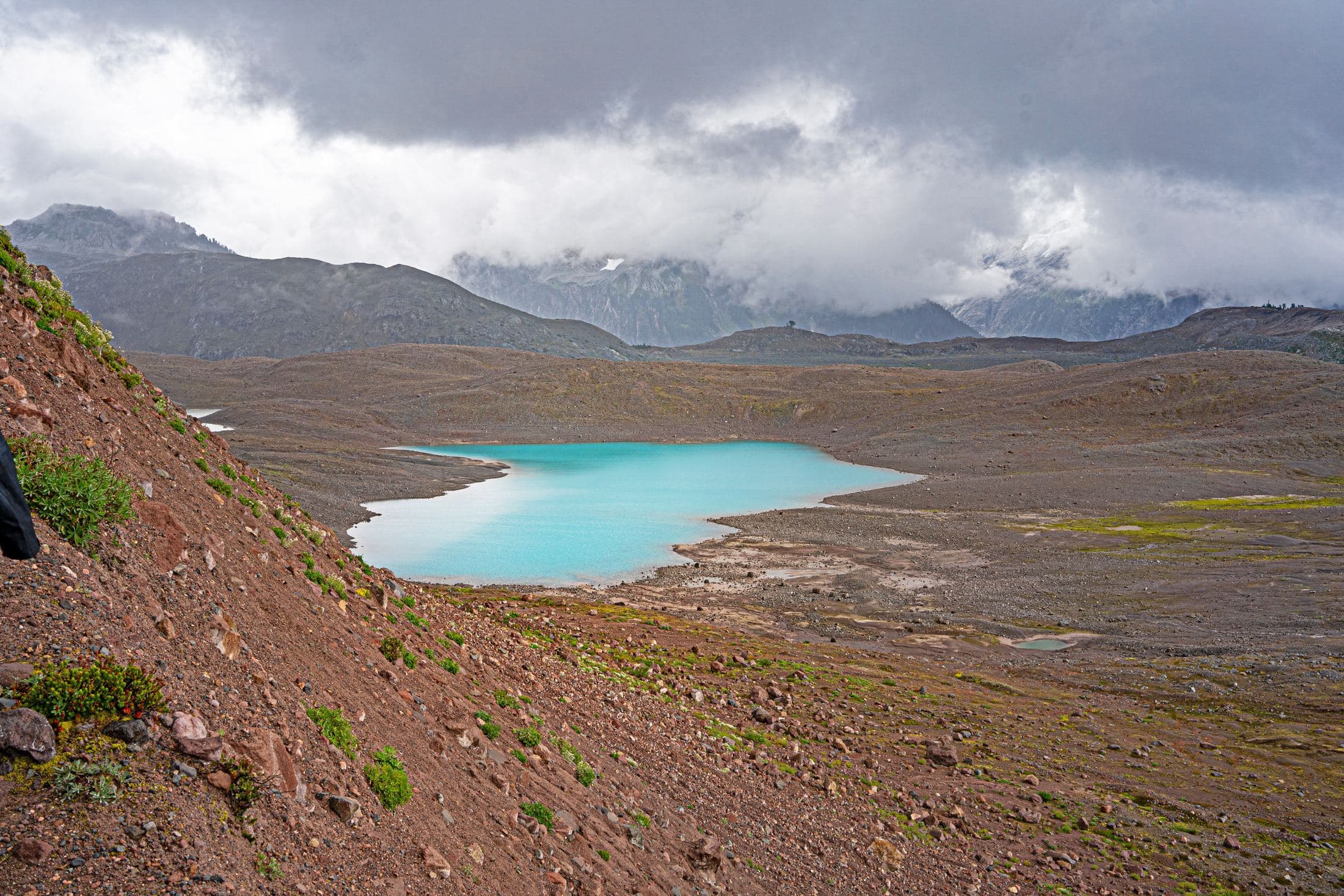
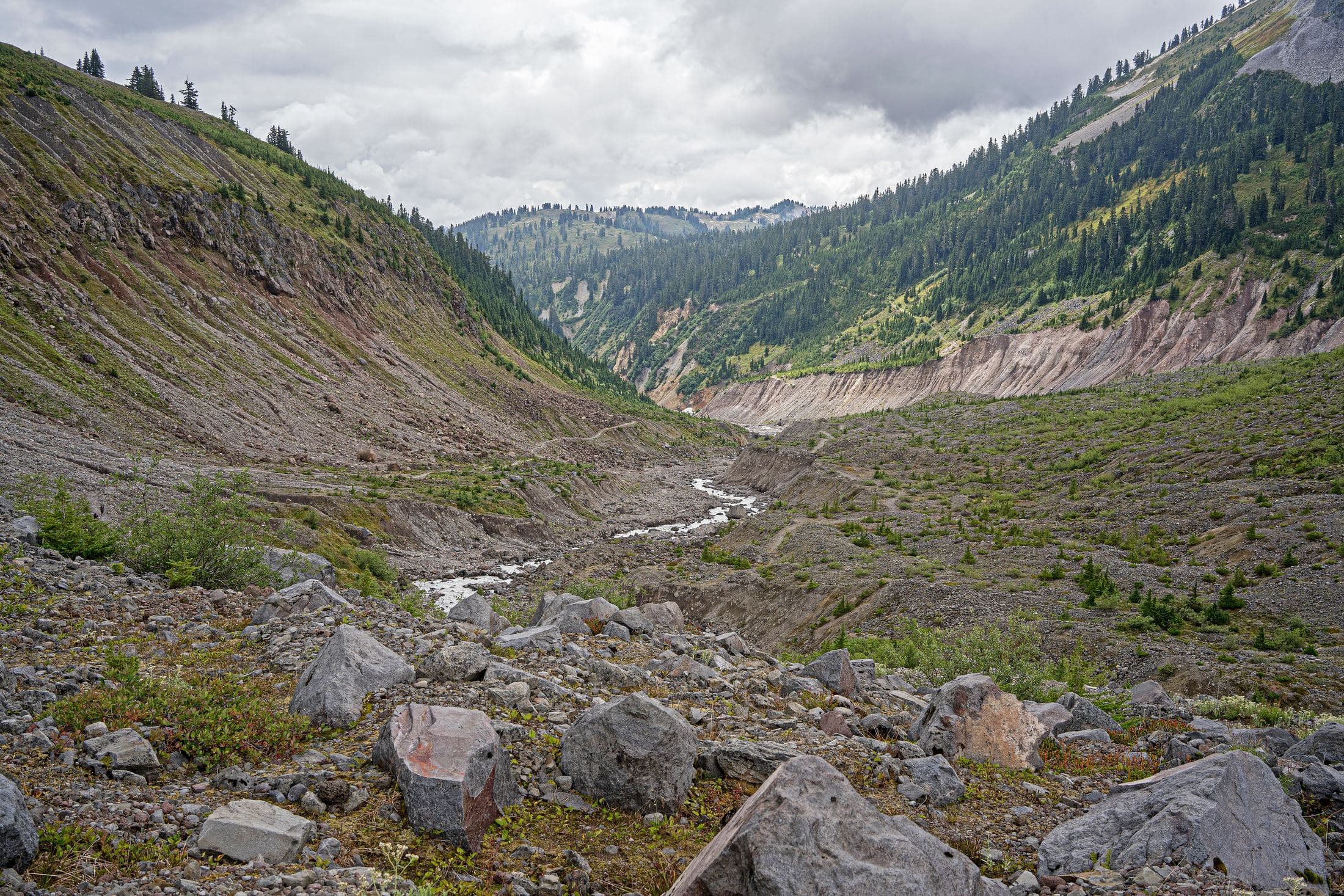
As I carefully trekked my way up the craggy slope that overlooked the Rampart Ponds, I did my best impression of a brave pioneer. A brutal heat wave this summer had reduced it to a single aquamarine pool and a few puddles. If we rewound time on Mars, is this the view that would greet us? This barren landscape was a moment frozen in time; free of pollution. Softly desolate. Eerily comforting.
The purpose of my existence eluded me, but I knew that some answers could be found deep in the mountains. No cell signal. A mandatory break to allow the mind to breathe, to be freed from the incessant thoughts that plague us, and most importantly — to be present. Under its aura, my feelings of insecurity always shrunk; allowing my being to fill in the gaps.
In nurturing my presence, I released myself from my over-programmed ego. It fed on my personal trauma and gained strength from the emotional baggage that I unwittingly carried. I relied on its protection, often; even if it meant stabbing myself in the process. That was then, this is now. The me that I was, it was me, but it isn't me anymore. Now, I choose kindness; to forgive myself; to love myself.
The arduous journey up to this point had satiated my curiosity. I could go further up, but I didn't want to slip and die. I involuntarily glanced down — it was a discombobulating sight. I most definitely am not a thrill seeker; and it really doesn't matter. Nobody is perfect. Everyone has their strengths — and weaknesses. I am allowed to be me, to feel fear, to have boundaries.
Aquascape
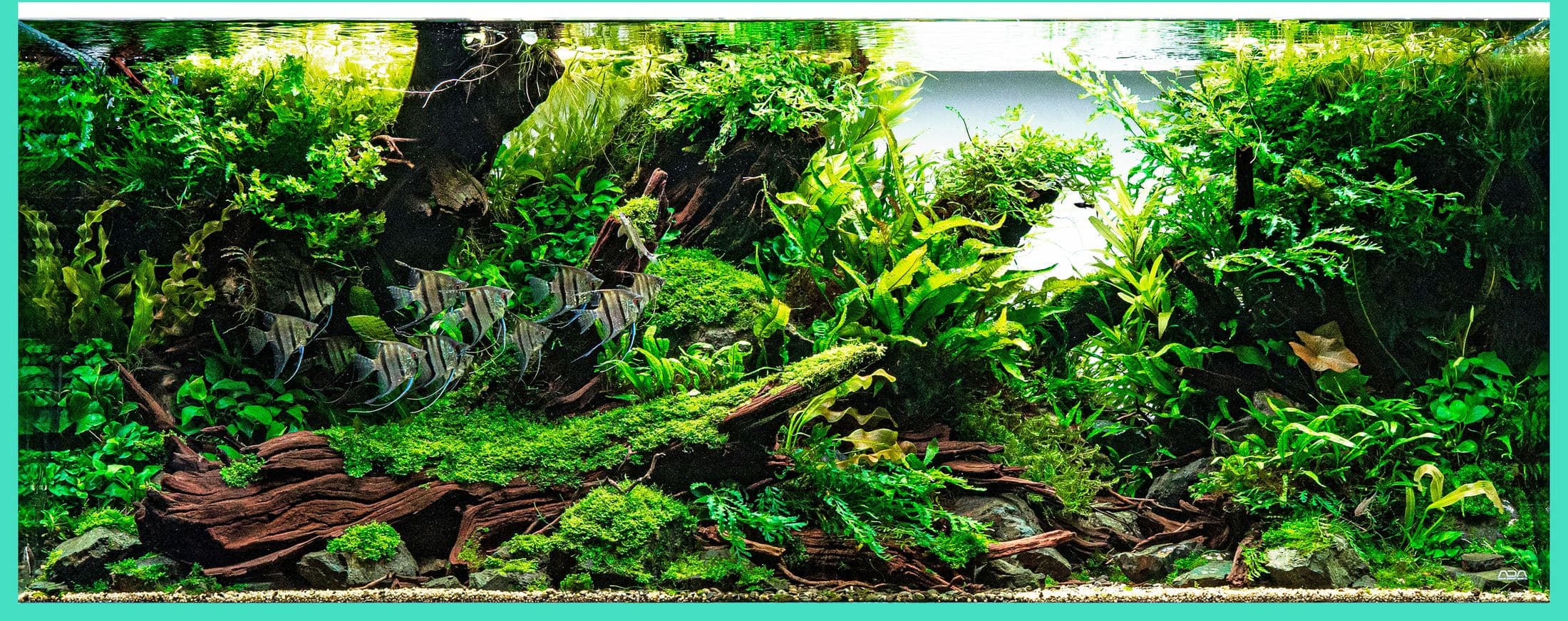
“Scalare Summit”
Equipment
- ADA 150P
- ADA SOLAR RGB x2
- Oasé Biomaster 850 x4
Plants
- Anubias Nana
- Anubias Nana Variegated
- Anubias Petite
- Aponogeton Boivinianus
- Aponogeton Ulvaceus
- Bolbitis Heudelotii
- Bucephalandra Godzilla Red
- Cameroon Moss
- Hygrophila Siamensis 53B
- Java Fern Narrow
- Java Fern Needle Leaf
- Java Fern Red
- Java Fern Windelov
- Java Moss
- Limnobium Laevigatum
- Micranthemum Umbrosum
- Nymphaea Stellata
- Riccardia Chamedryfolia
Fauna
- Rio Nanay 'Peru Altum' Angel
- Somphongsi Rasbora
- Silver Flying Fox
- Otocinclus Catfish
- Amano Shrimp
- Ramshorn Snail
Parameters
- Hardscape Manzanita Wood, ADA Yamaya Stone
- Substrate ADA Amazonia, ADA La Plata, DOOA River Sand, Lava Stone
- Light Period 7 Hours
- CO₂ 5–6 BPS, 5 Hours
- Temperature 25°C
- Water Change 25%, 2× per week
- TDS 75
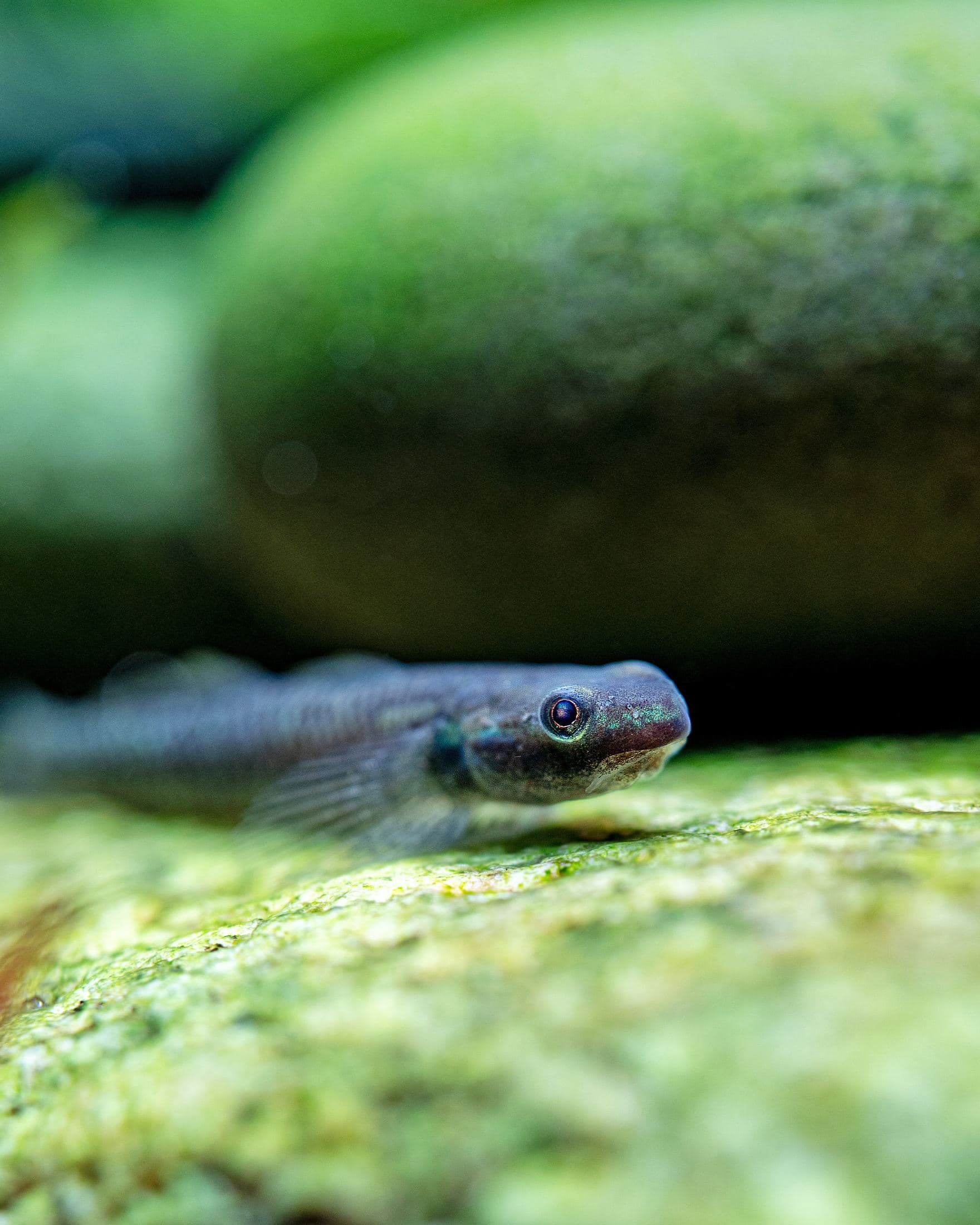
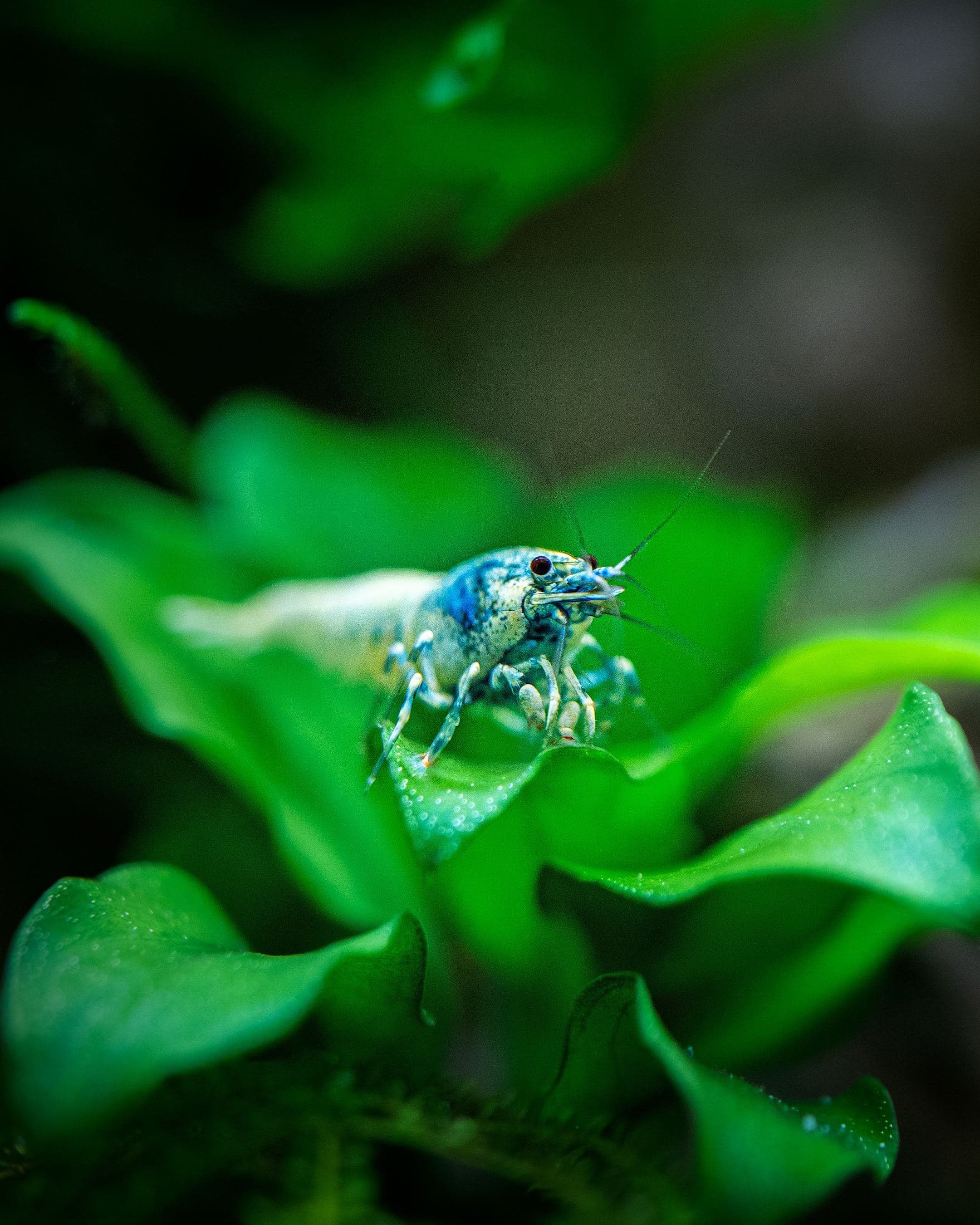
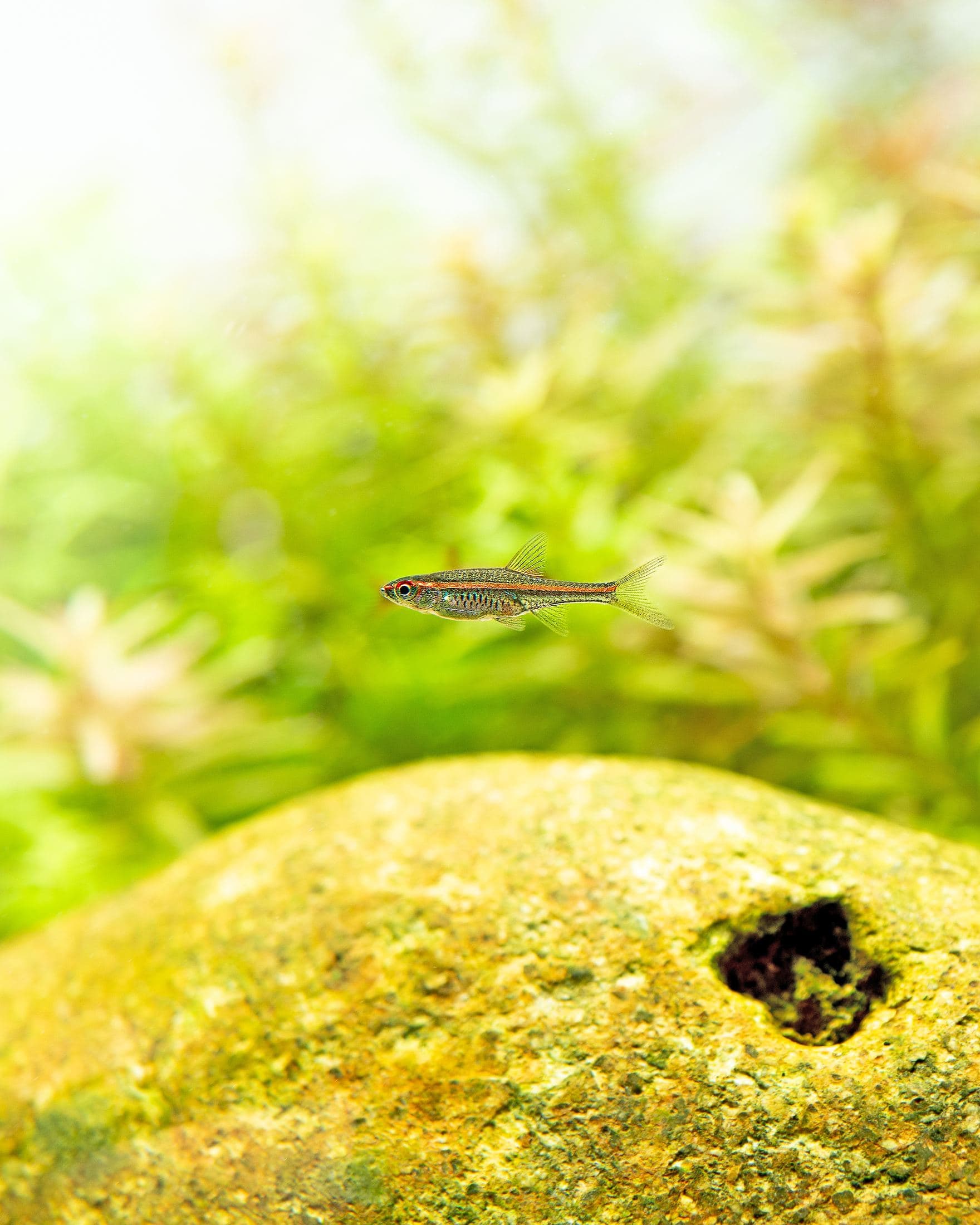
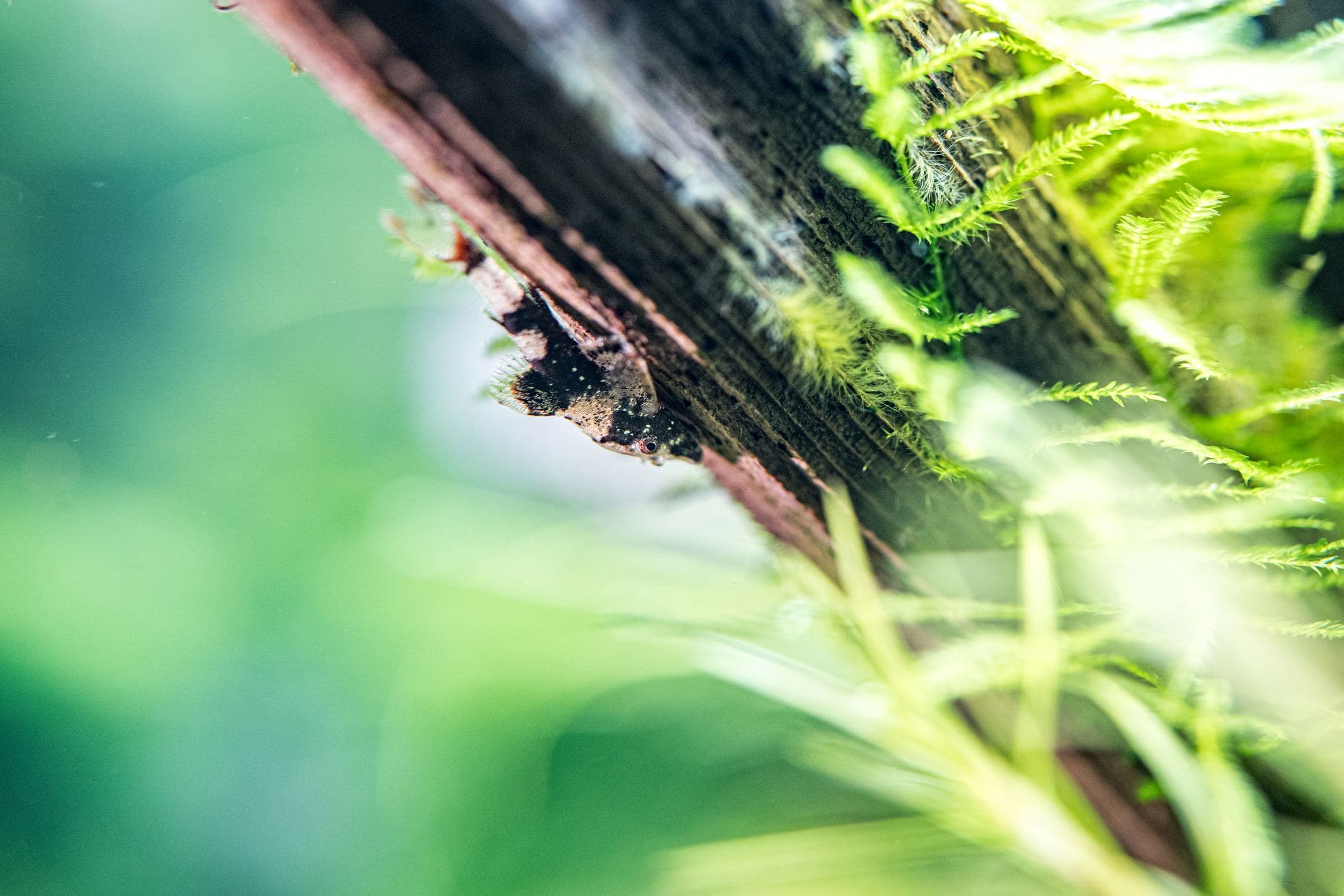
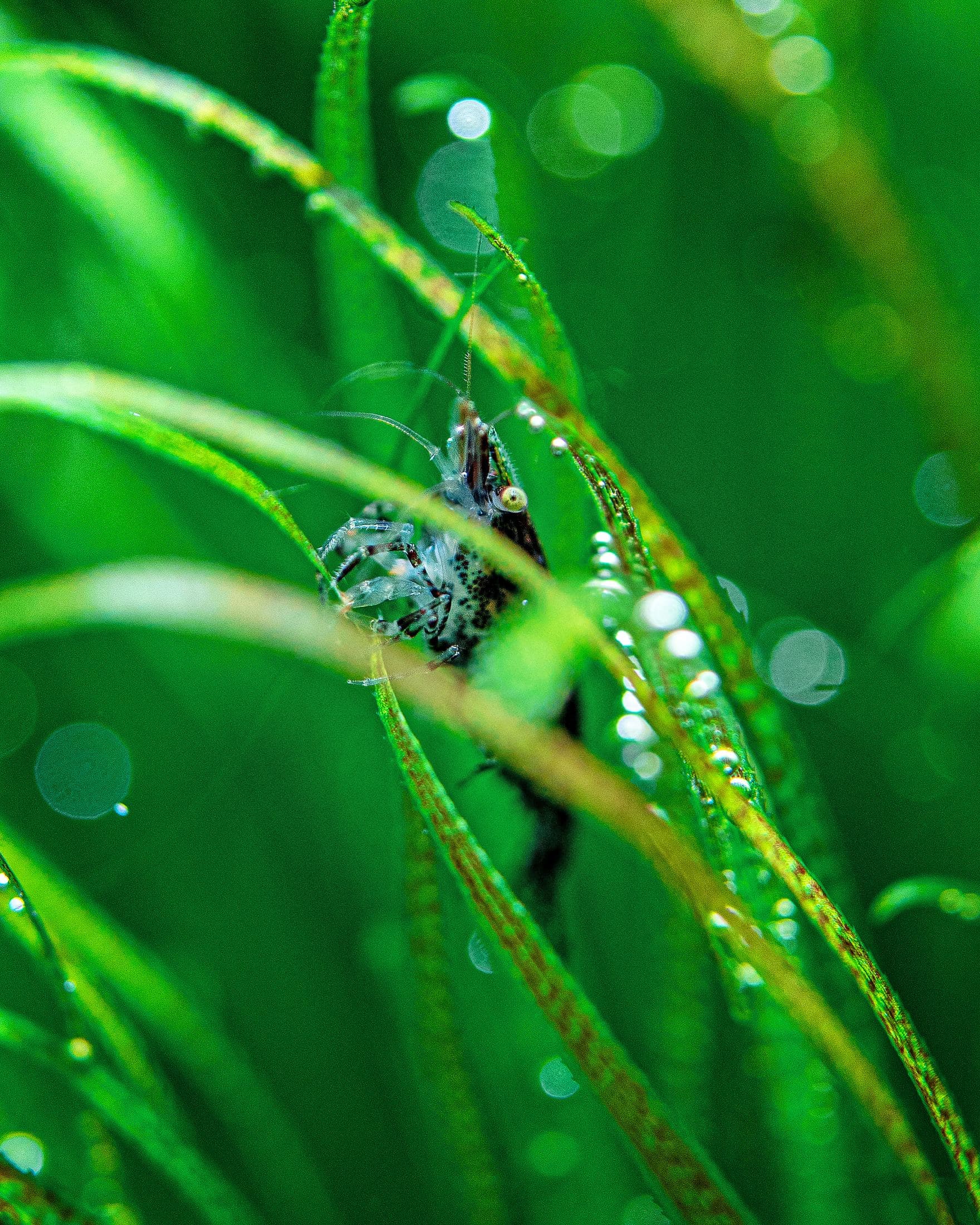
Guide · Fishkeeping · Shrimp
Infatuation
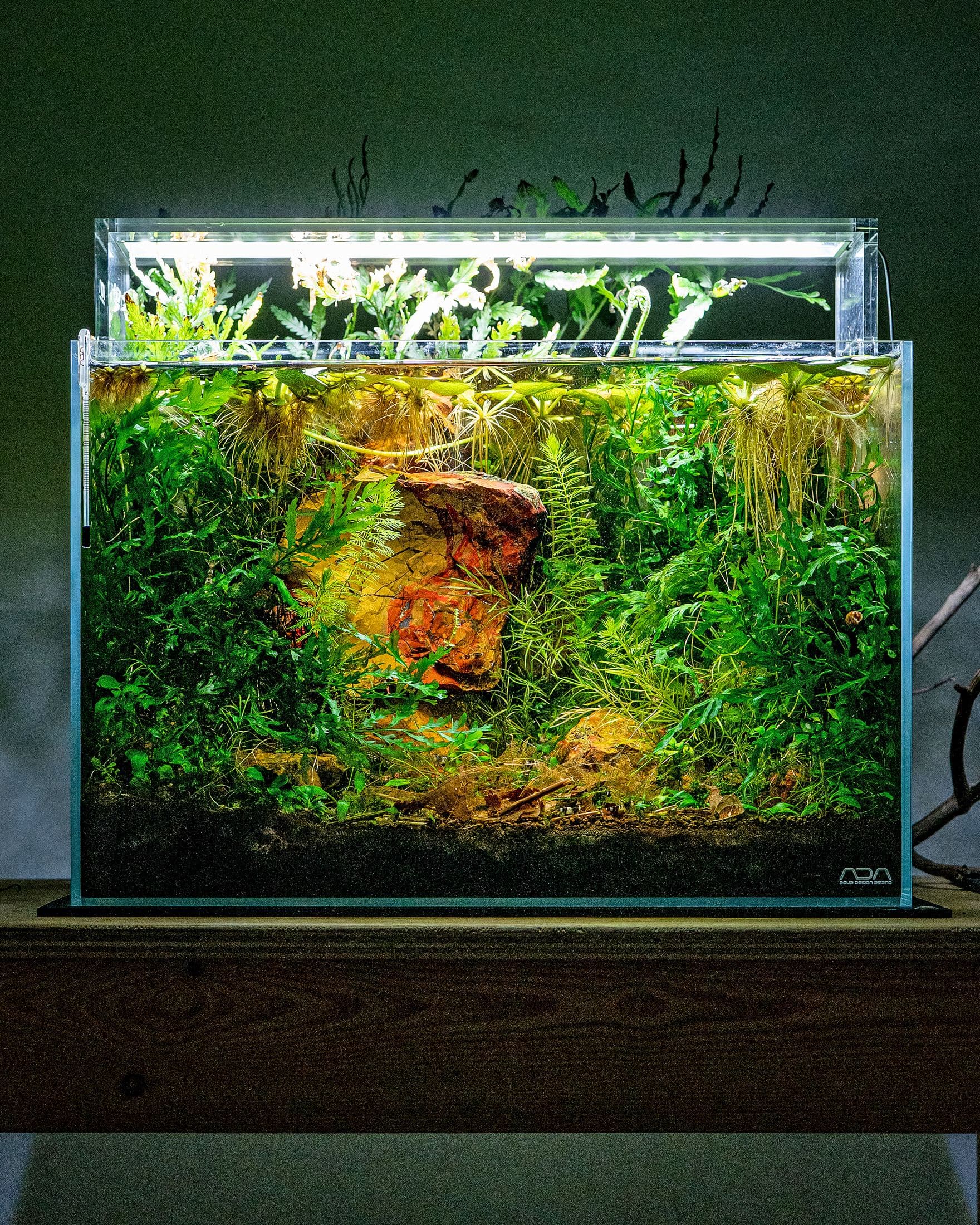
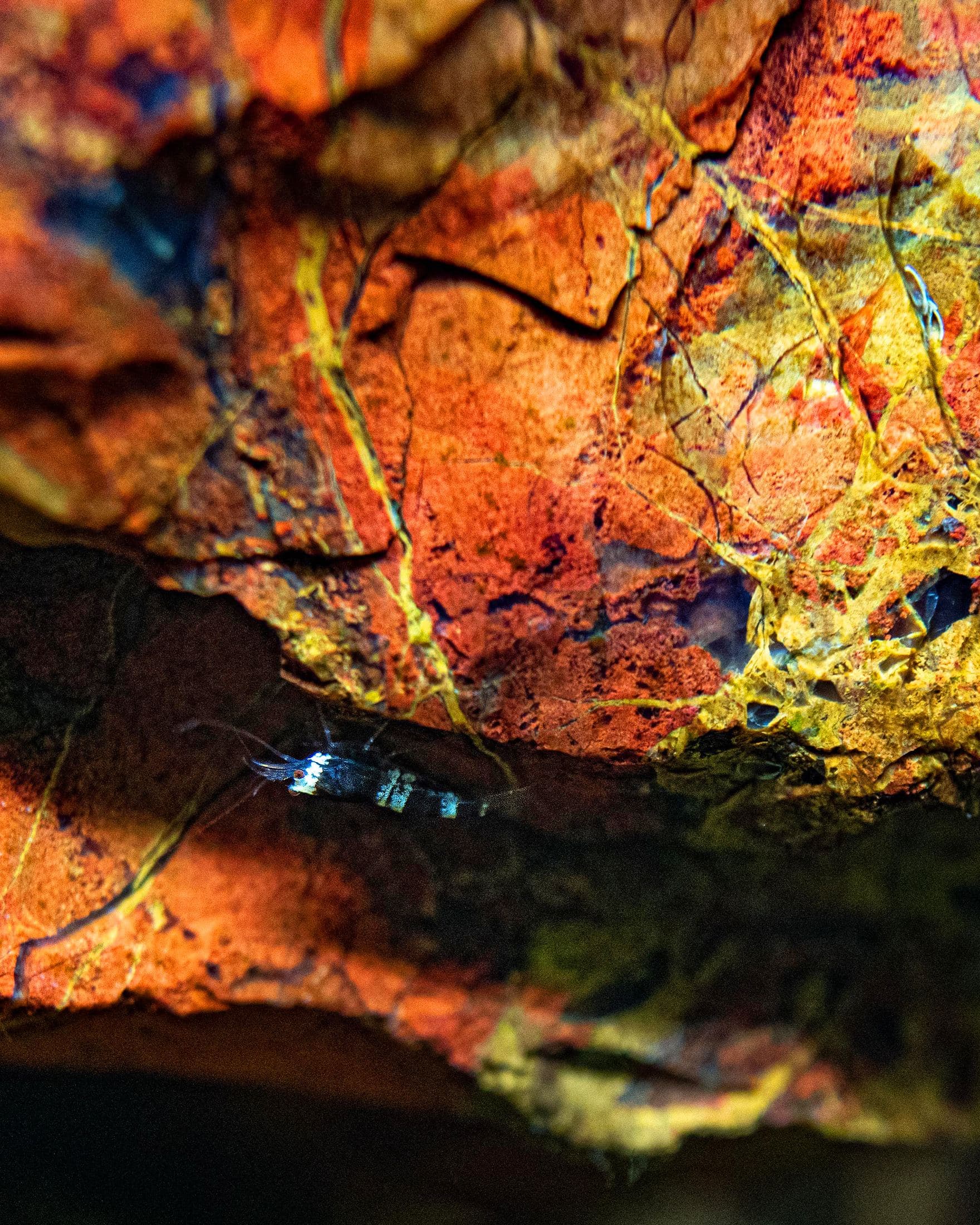
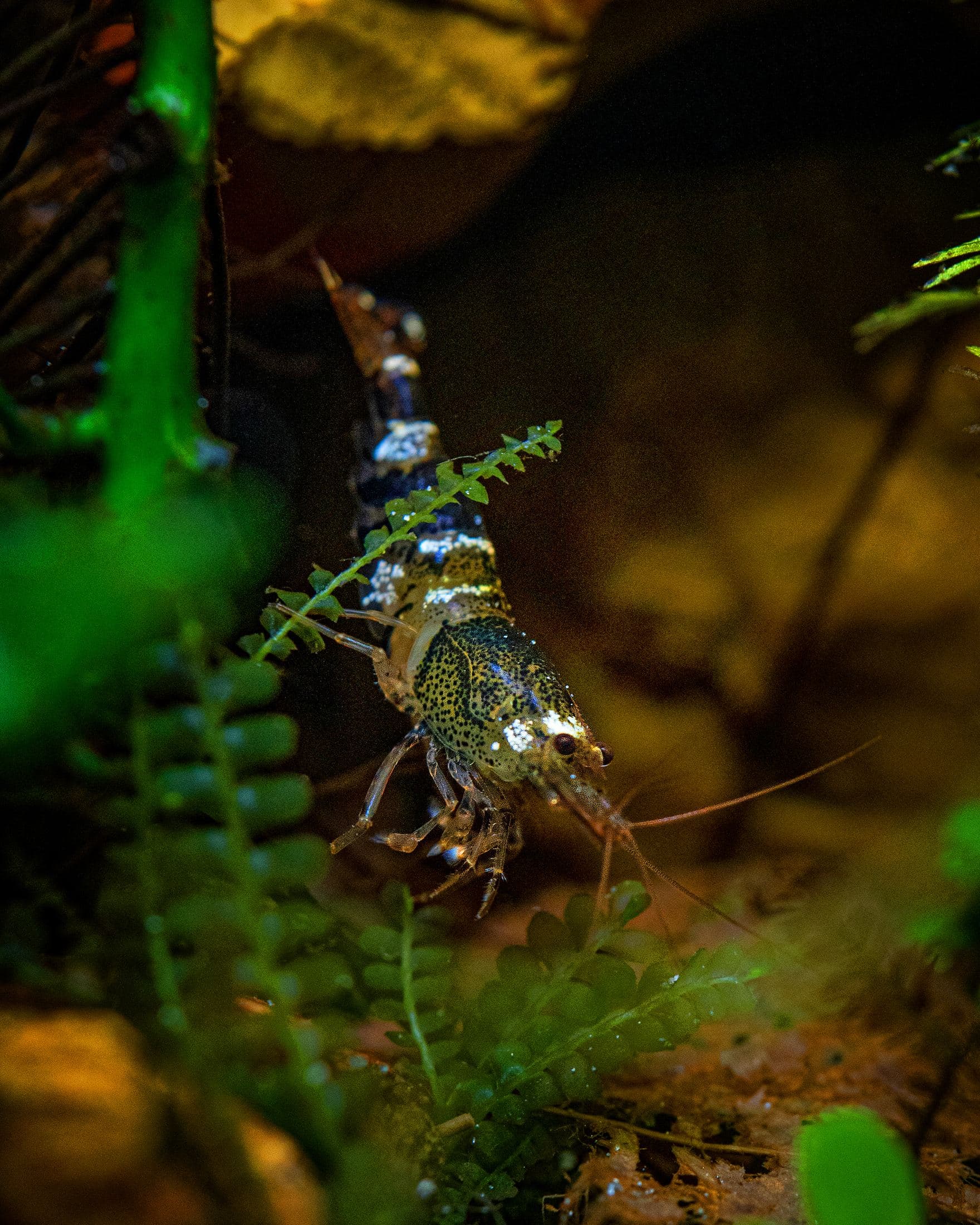
I had desperately wanted it; and I scoured the internet for the last remnants of them in Canada. ADA Sado Akadama: a natural orange stone with vibrant red streaks that wouldn't change my water parameters. This was perfect for aquascaping — and a core piece for the new layout. It also reminded me of the cliffs around a forest stream in a YouTube video, where wild Crystal Black Shrimp were growing in amongst the leaf litter.
But it was on a truck according to the agent; approximately 2km away from me. I had missed the delivery by just a few minutes and was without a car. I begged her to ask the driver to wait for me as I ran for my life in his direction. I wanted to set up the tank today — and I caught up to him, but I didn't think this through very carefully. How... was I supposed to carry 30kg of stone back home? I only had my keys. It was a big box.
Guide
Shrimp Care
Equipment & Parameters
- Tank <20 Litres / 5 Gallons
- Filter Hang-on Back (HOB)
- Light <27W
- Heater 50W
- Temperature 15–25°C / 59–77°F
- pH 6.0–7.0
- gH 4.0–12.0
- TDS 75–200
Recommended Additives & Botanicals
Include a mix of, or if you can, all of the following when performing a water change:
- Bacteria (ex. Bacter AE)
- Humic Acid (ex. Blackwater Additive)
- Remineralizer (ex. Salty Shrimp GH+)
- Tannins (ex. Indian Almond Leaves)
- Other Minerals (ex. Mironekuton)
Shrimp Notes
- If your goal is to raise shrimp, don't use CO₂. While it can be done, you are playing with a handicap and will introduce another element to consider when addressing issues like random deaths. Personally, I have never had long term success with it in shrimp-only tanks.
- After setting up your tank, let it run for at least 3 months before adding any shrimp. A stable and cycled environment will increase your chances of success dramatically. Do your best to maintain the tank in a consistent manner. Shrimp can and will adapt to your parameters.
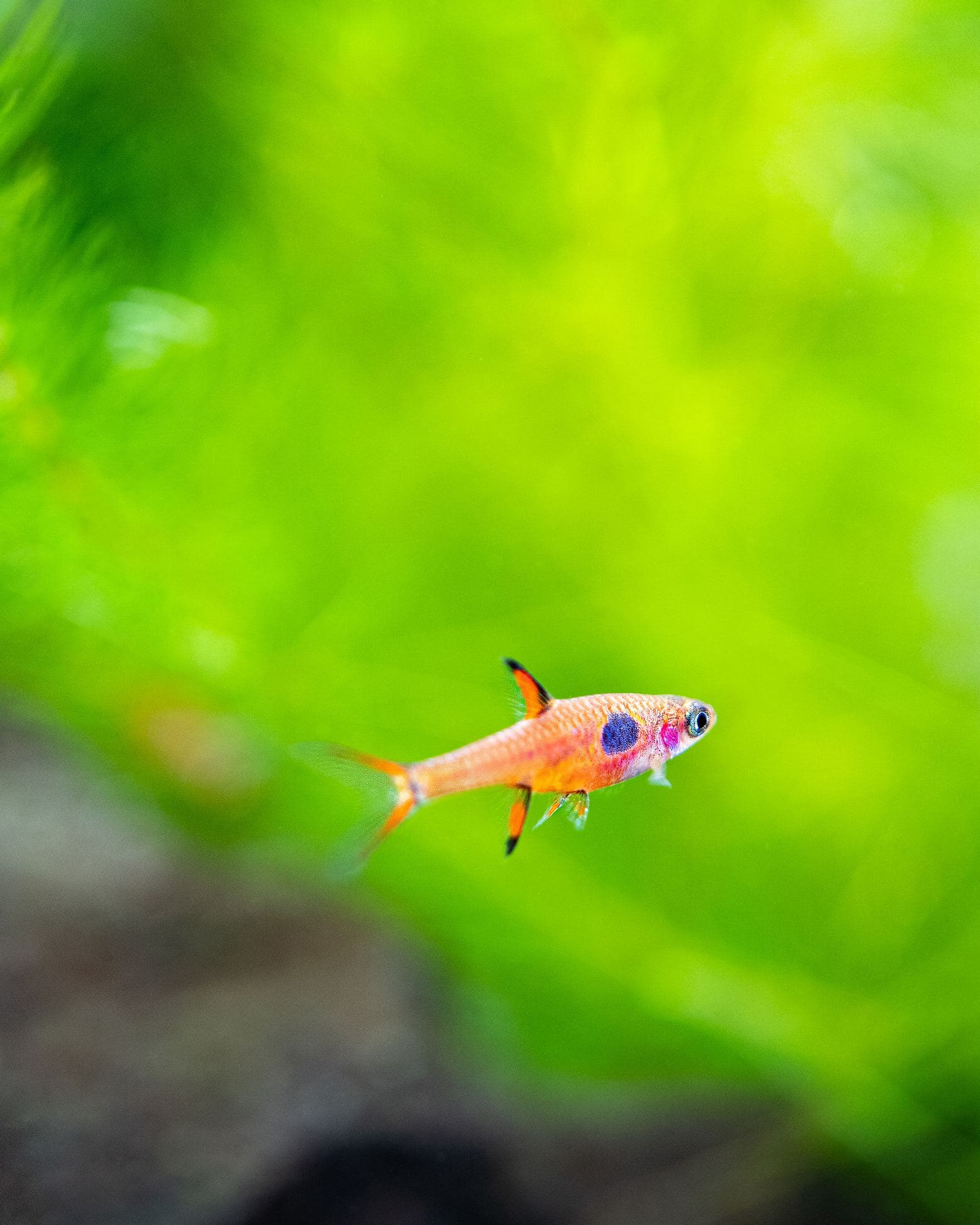
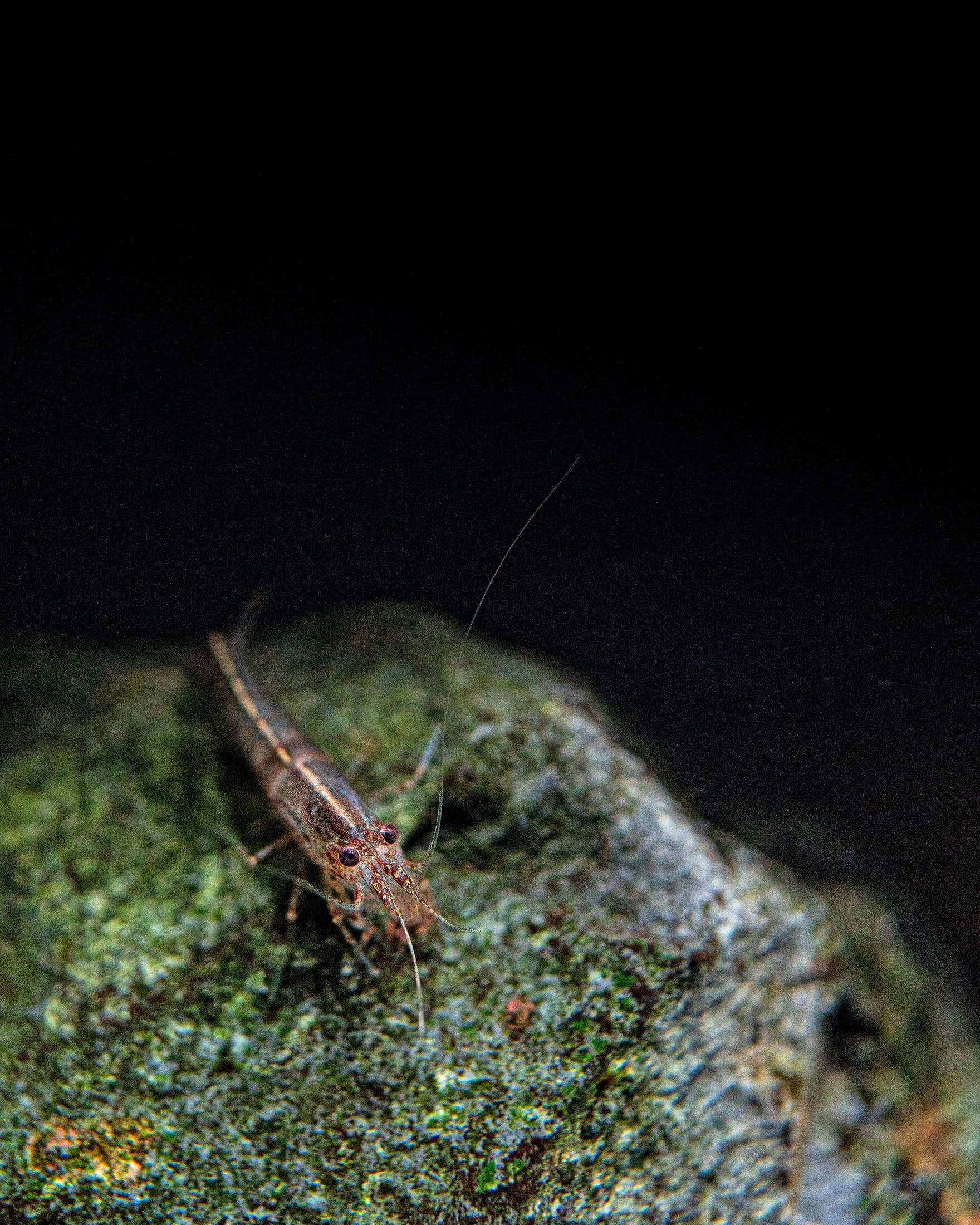
- Shrimp don't need to be fed, but they do better when they get some extra food. A few tiny specks per shrimp is enough. I like to sprinkle fish food by crushing it with my fingers. Be careful though — it's really easy to overfeed and cause algae or water purity issues, and consequently deaths.
Guide · Fishkeeping · Betta
Devotion
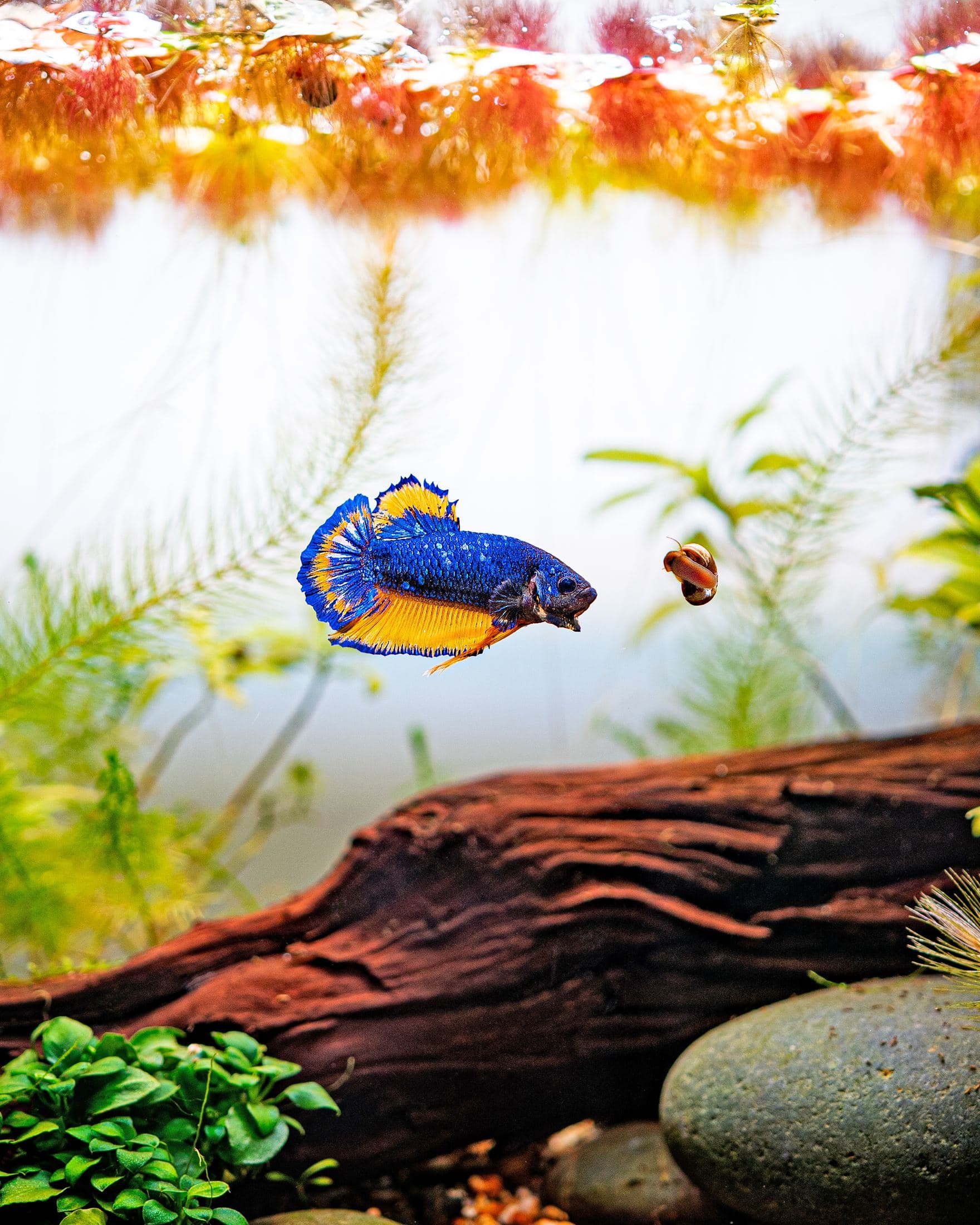
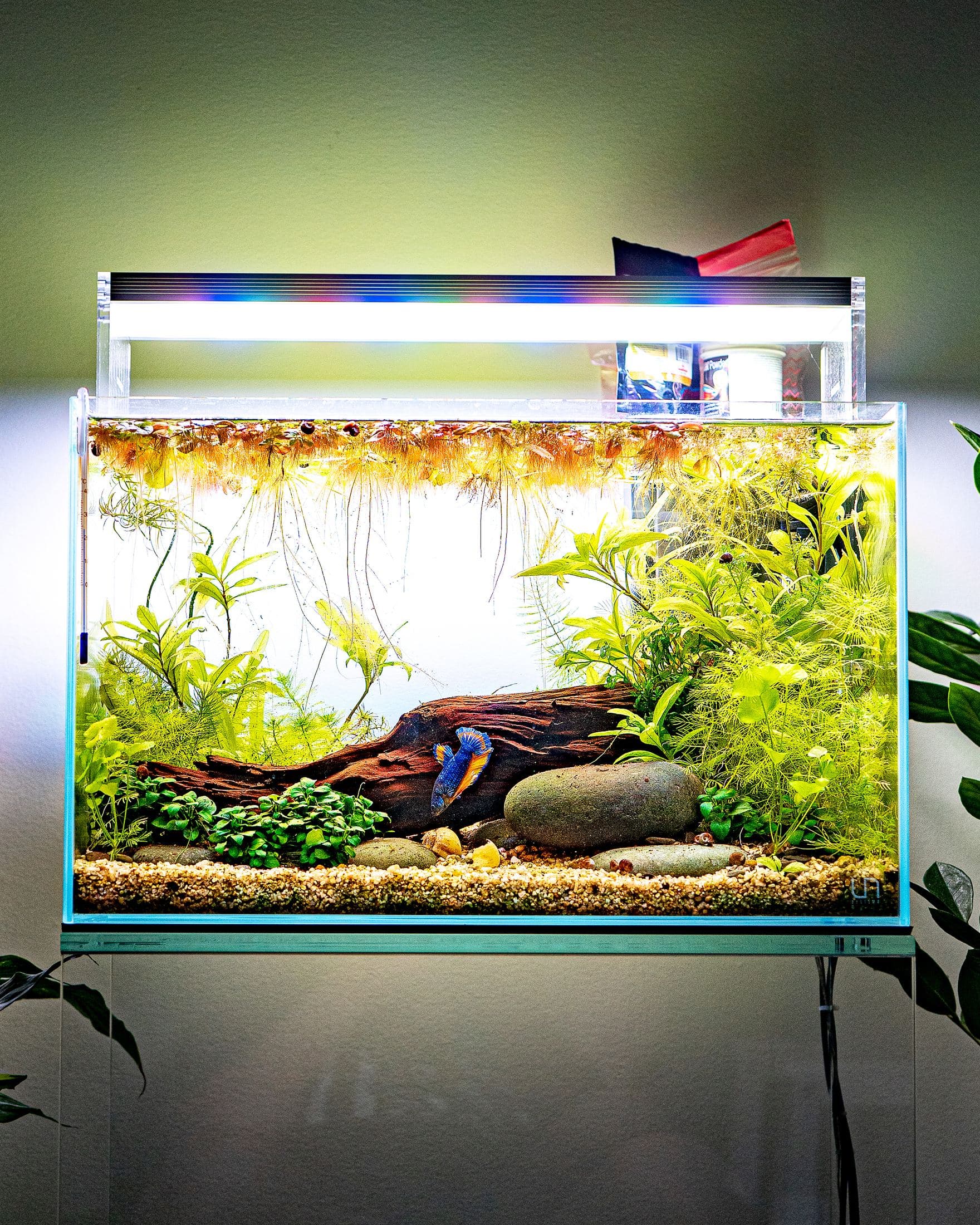
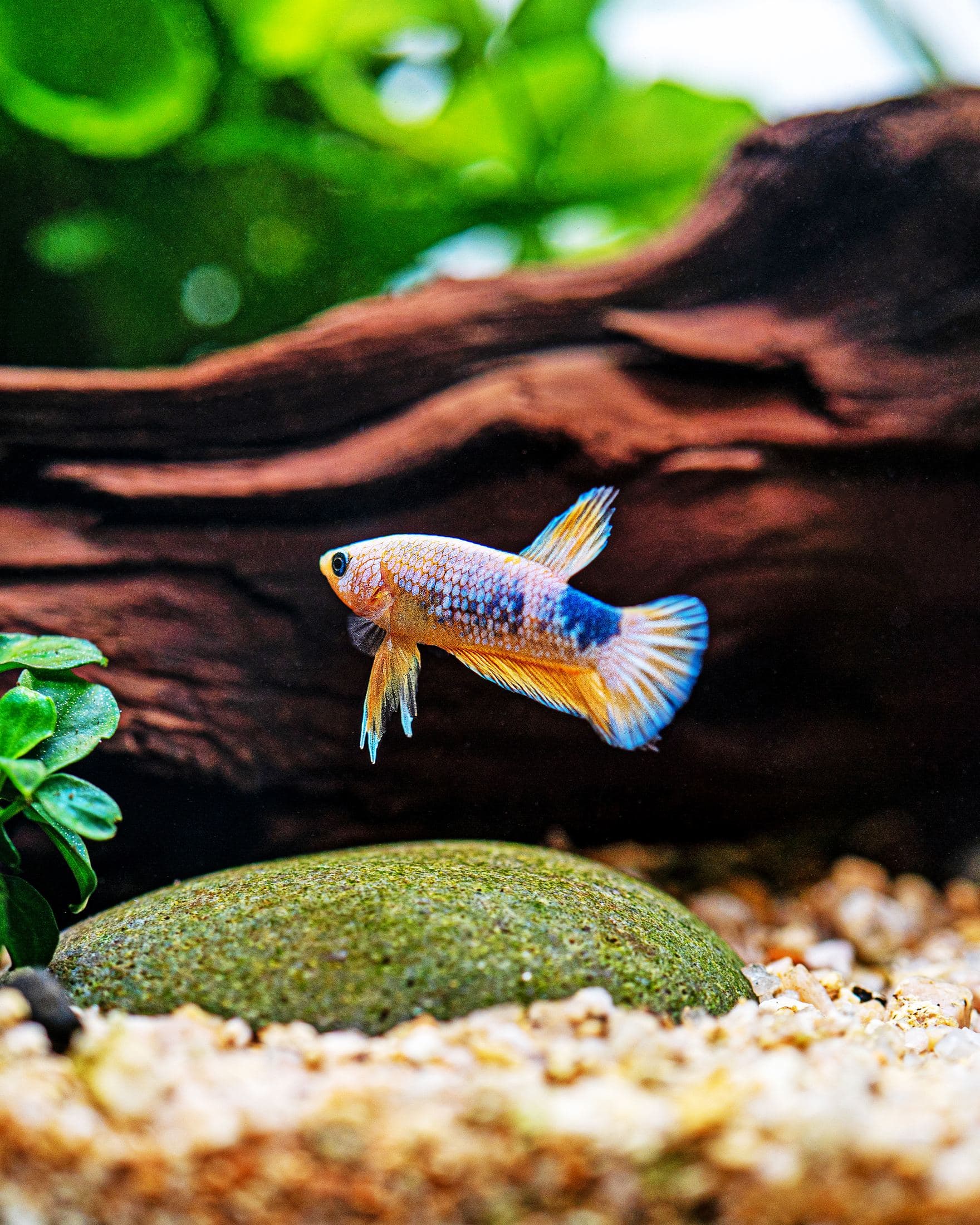
Finn was my fourth Betta, a Marble Plakat. The moment I saw him twinkling in his glass jar, I knew that he would be coming home with me. A vacant and cycled planted kingdom and a lot of bug bites had awaited him. After almost three years of friendship, we had become good comrades; and he matured into a yellow-sailed sapphire-shaded hunting legend; ordained as Finnisher, the Slayer of Snails.
His appetite had been decreasing these past few months though. His mortal body showed signs of ailment: three white bulbous tumours had quietly developed in different locations. He was no longer interested in food, in anything really; and allowed me to cup him in my palm without struggle. My four eyes met his one. I could watch Finn forever, but his reign had come to an end; into the icy night.
Guide
Betta Care
Equipment & Parameters
- Tank <40 Litres / 10 Gallons
- Filter Hang-on Back (HOB)
- Light <27W
- Heater 50W
- Temperature 20–25°C / 68–77°F
- pH 6.0–7.0
- gH 2.0–10.0
- TDS 50–200
Betta Notes
- Allow your tank to run for at least 2 months before adding a Betta. The longer you wait, the better chances you will have at keeping it (or any other fish) alive. The initial pain of patience will be worth it in the end with a long-term relationship. It is always better to do too much than too little.
- Bettas can and will tolerate tank mates, but it is largely dependent on their personalities. If you have one that feels aggressive, don't try. They will chase other fish and cause them to jump out. I recommend adding the Betta in as the last step if you are okay with the risks.
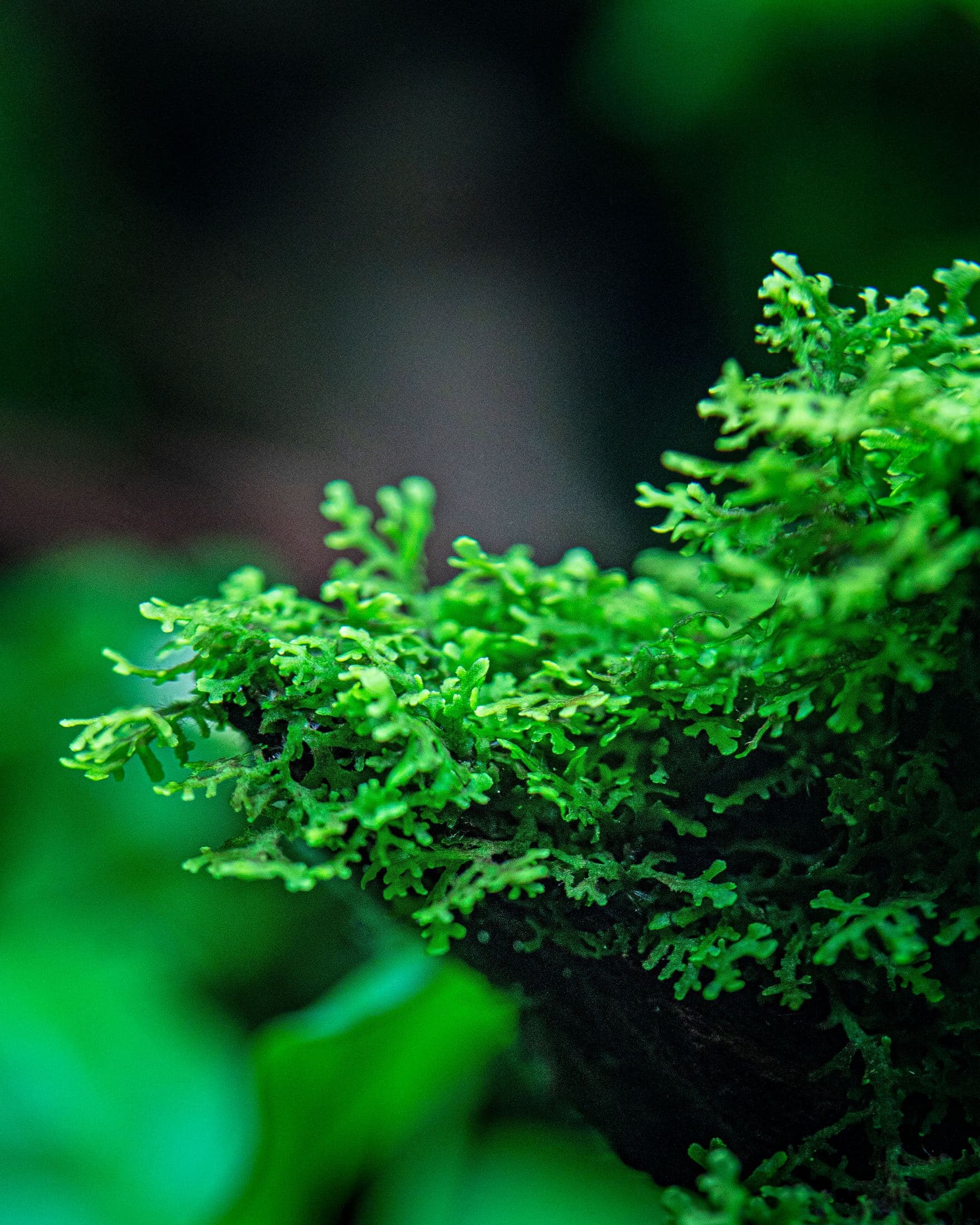
- Add as many plants as you can in the tank so they have places to rest and explore. I highly recommend adding floating plants as it will discourage jumping and provide extra cover for them to feel safe. The extra foliage will also help with maintaining water purity.
Reflection · Experience · Perspective
Acceptance
Along the bluffs under a flurry of snow, a few hikers and a living corpse traversed to the Kicking Horse campsite. After foolishly eating sushi the night before, the shackles of food poisoning destroyed my stomach and sapped my energy. All that was left of me was a sad shadow, silently freezing in the tent with no appetite; curled up in discomfort; begging for the aching to stop; bracing myself for the long night ahead.
Ugh. The discomfort worsened. Pain. It was time to seek relief. After rummaging around for the headlamp, I trudged along the illuminated path to salvation with heavy steps and unfastened laces. Like a beacon of hope, the outhouse glimmered in the subzero conditions. The snow had built up around it like an igloo; and I would be seated in it indefinitely; alternating as a space heater; waiting for the relief to arrive.
Sometimes I wonder to myself why I do it. Hiking. Backpacking. Everything. I could be curled up in bed watching romantic Korean dramas like a hearty vegetable in a cozy garden; but I'm here, in a small and strangely warm wooden latrine; trying to hold on for my life; and sanity itself. Tough situations always drag on when you're in the thick of it, but I guess it builds character and makes for "fun" memories. This isn't so bad; my body disagreed.
I'm sure the restaurant didn't want to mishandle their food. I couldn't even tell the sashimi had been tainted. It was an accident. Things happen. There was nothing personal about this — perhaps they are experiencing some challenges. Change is the nature of the universe after all. Nothing stays the same forever no matter how hard we try to protect it. All we can do is appreciate what is while it lasts; and survive the night.
Aquascape
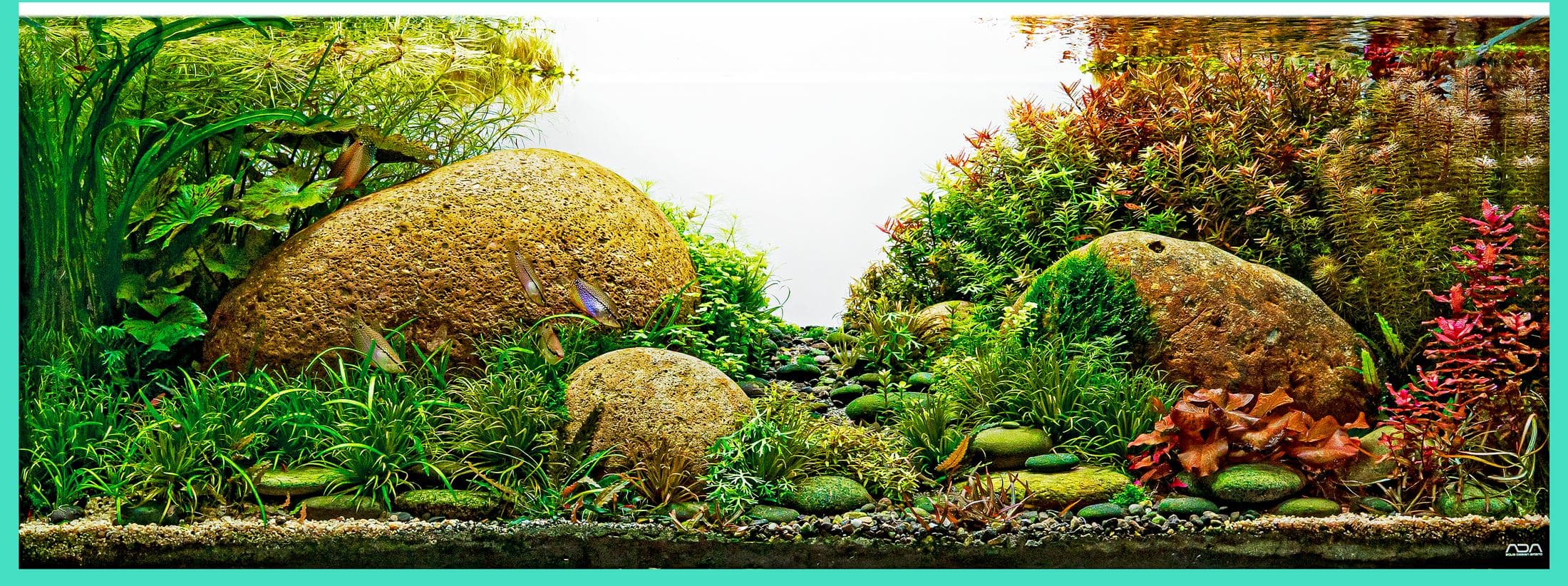
“Giant Pebbles”
Equipment
- ADA 120P
- ADA SOLAR RGB x2
- Oasé Biomaster 600 x2
Plants
- Aponogeton Longiplumulosus
- Blyxa Japonica
- Cryptocoryne Wendtii
- Hydrocotyle Tripartita
- Hygrophila Araguaia
- Nymphaea Lotus
- Nymphaea Stellata
- Pogostemon Stellatus
- Ranunculus Inundatus
- Rotala Bonsai
- Rotala Green
- Rotala H'ra
- Rotala Macranda
- Rotala Rotundifolia
- Rotala Wallichii
- Sagittaria Subulata
Fauna
- Pearl Gourami
- 3-Spot Rasbora
- Otocinclus Catfish
- Amano Shrimp
- Cherry Shrimp
- Ramshorn Snail
Parameters
- Hardscape Large River Stones, Flat River Stones
- Substrate ADA Amazonia, DOOA River Sand, Landscaping Sand, Pea Gravel
- Light Period 7 Hours
- CO₂ 3–4 BPS, 5 Hours
- Temperature 22°C
- Water Change 25%, 2× per week
- TDS 100
Reflection · Experience · Happiness
Gratitude
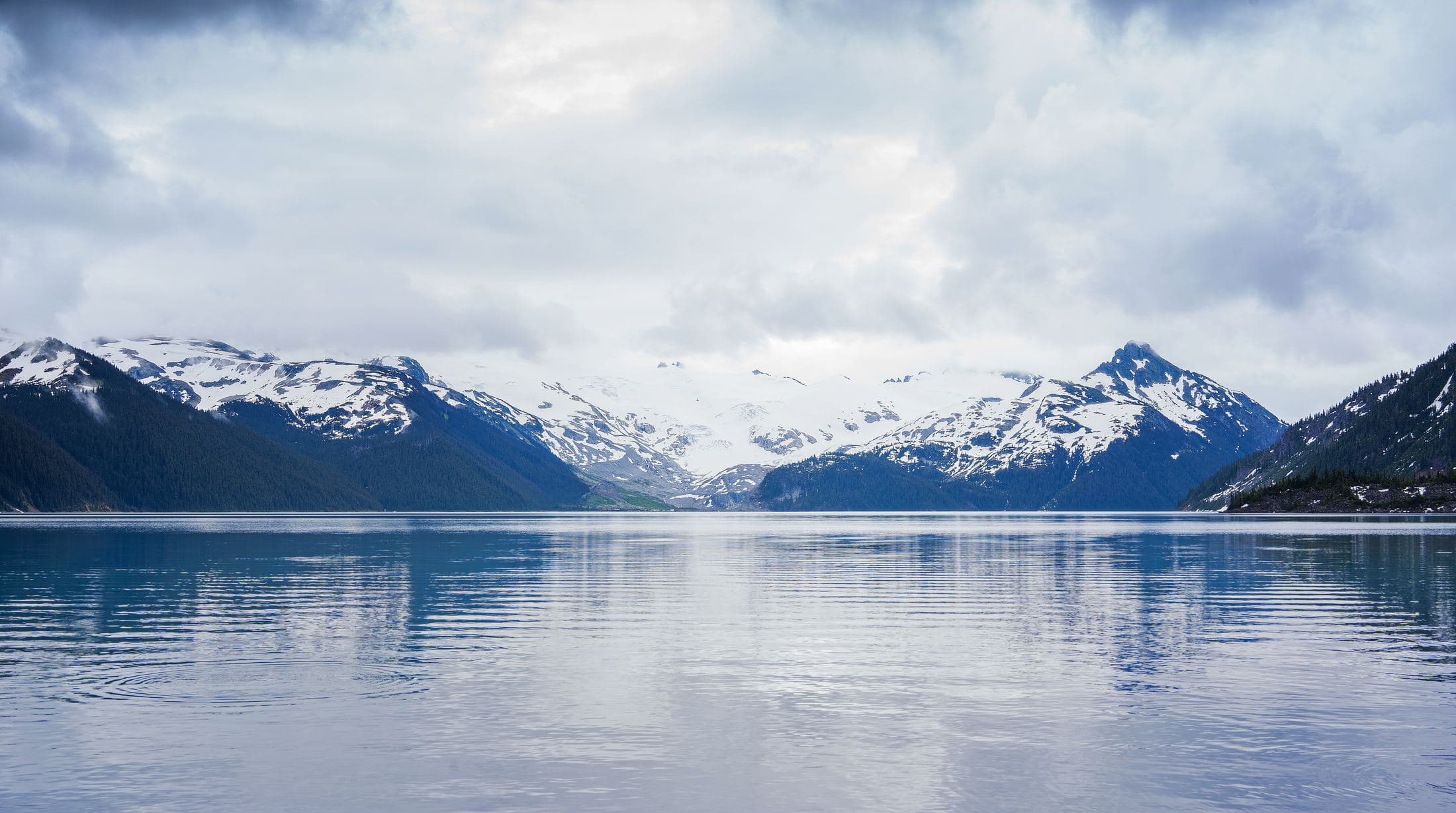
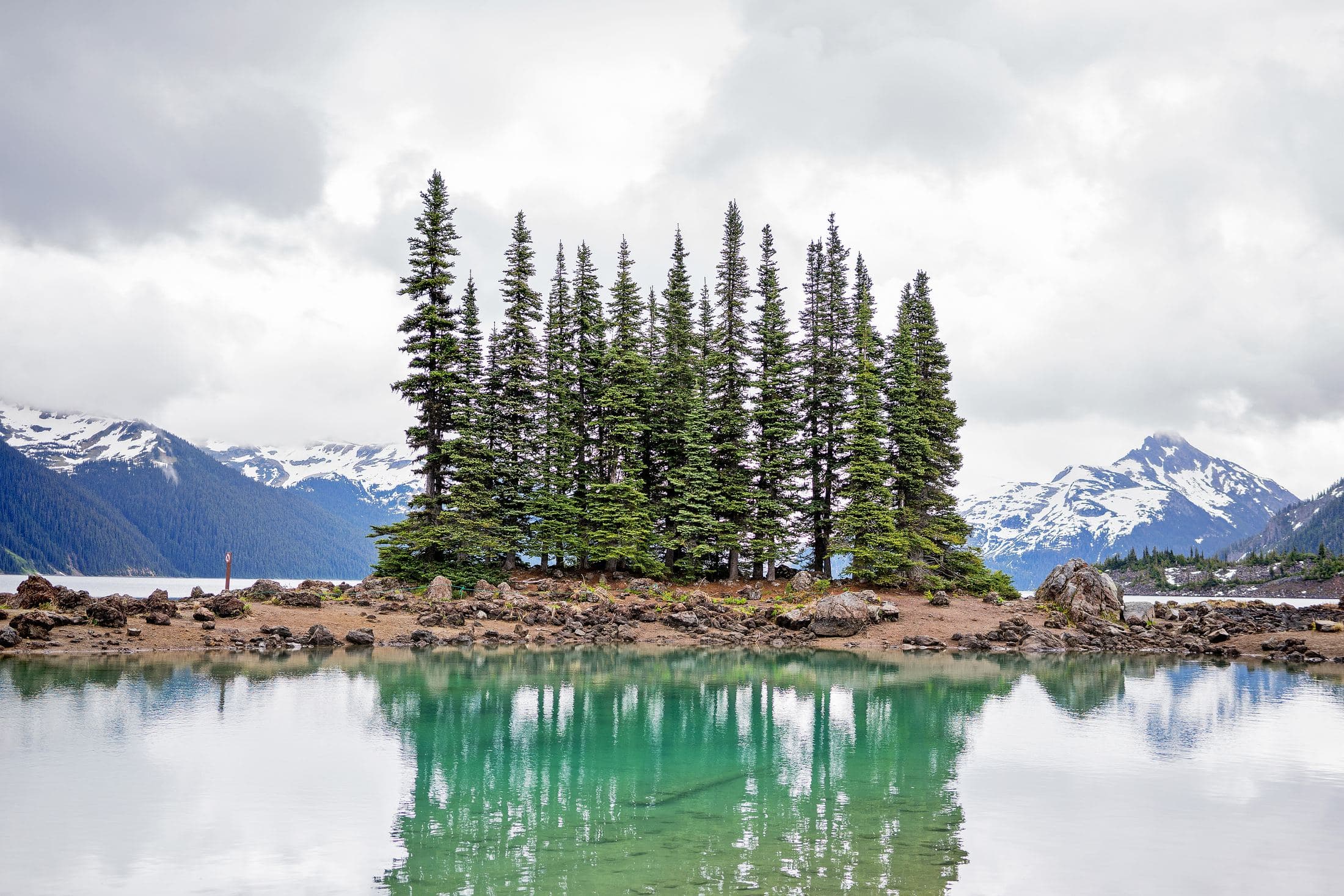
The creeks and meadows to Garibaldi lake seemed to stretch indefinitely. "Why did I bring carrots again?" I remarked as I rummaged through my backpack on a wooden stump. Camping gear and clothes filled it to the brim; and a ziplock bag of mini orange death sticks were the last "straws" that broke this pack mule's back. My cramping thighs had immobilized me — and halted this march for the nth time.
I had planned for two evenings, but it was doubtful that I was going to make it past the first. My body was not moving as my heart willed it to. I didn't feel like feeding either. Water is enough. Bear Grylls said you can survive 3 weeks with just water. I'll eat when I arrive. I'm close. I wanted to be strong in front of my friends, I didn't want to appear weak. This situation though.
It was the complete opposite of strength. I was overconfident, underprepared — and unable to cast aside my pride to ask for help when the obvious was apparent. This isn't me though. So I meekly asked for a hand. Without judgment, my friends shared pieces of my burden, then coaxed me into eating a gummy bear. I forgot that I didn't have to do this by myself. They had my back. Why was that so hard?
With their guidance, we made it past the rest of the switchbacks and arrived at the turquoise alpine lake. Its beauty rippled at my feet as the glacial mountains exuded a humbling effect. All surrounded by it would have their worries allayed and vitality restored. It was a privilege to be here; to have friends that care about me; to be healthy enough to move my body as I want to.
Aquascape
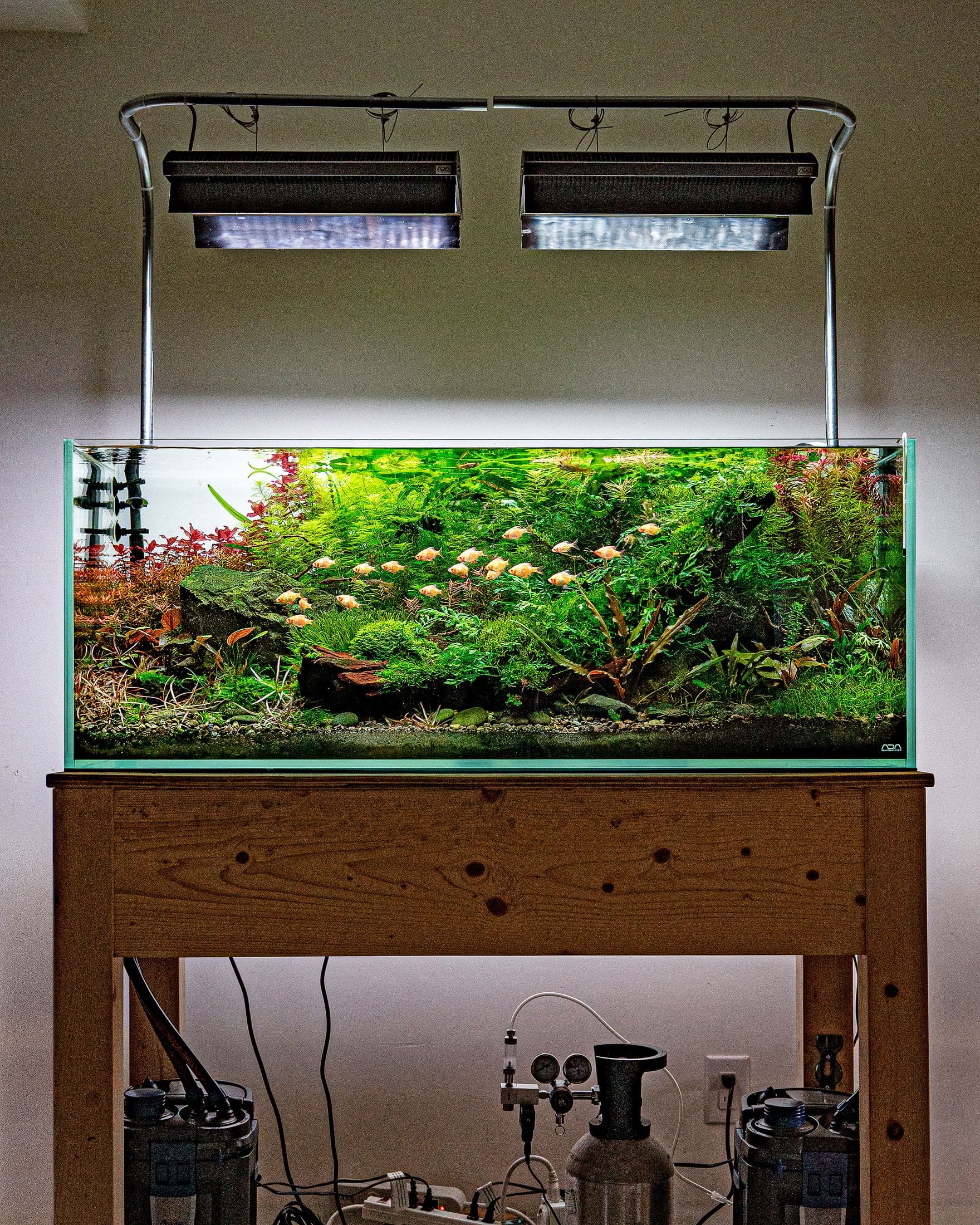
“Tiger Garden”
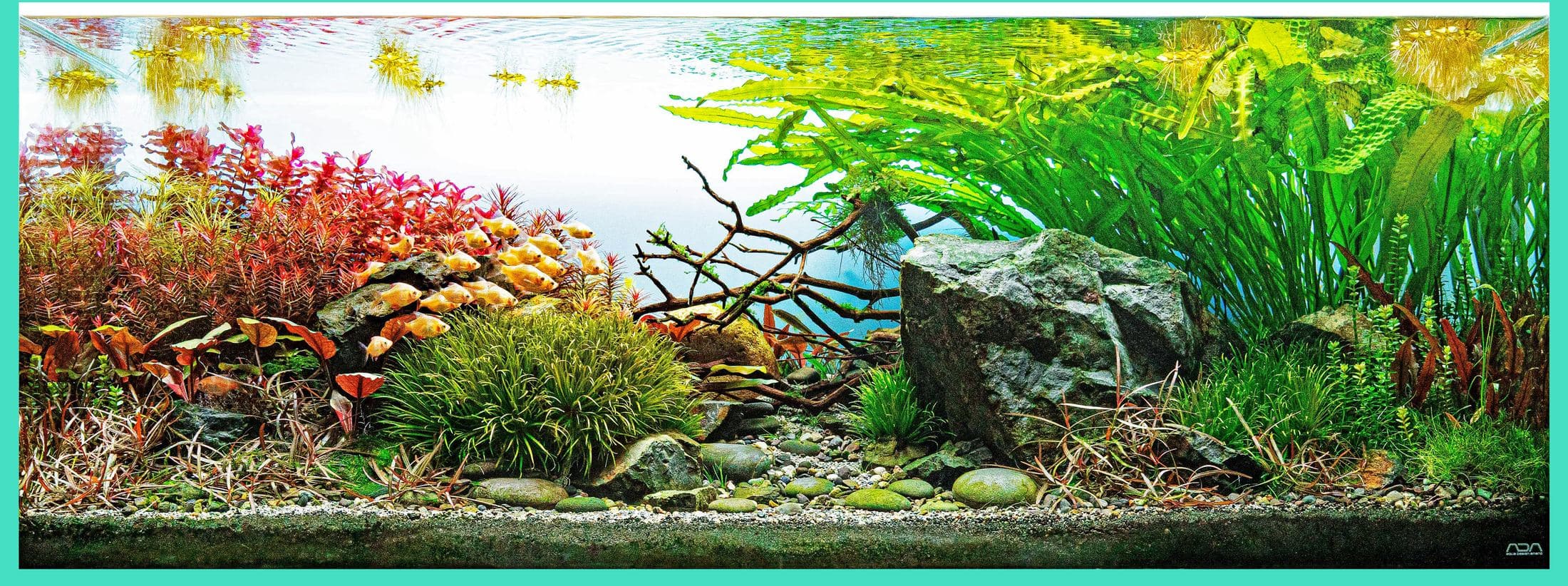
Equipment
- ADA 120P
- ADA SOLAR RGB x2
- Oasé Biomaster 600 x2
Plants
- Aponogeton Boivianus
- Aponogeton Crispus
- Aponogeton Longiplumulosus
- Blyxa Japonica
- Bolbitis Heudelotii
- Cryptocoryne Undulatus 'Red'
- Cryptocoryne Wendtii 'Green'
- Eleocharis Acicularis 'Mini'
- Hygrophila Araguaia
- Java Moss
- Lagenandra Meeboldii 'Red'
- Lilaeopsis Mauritiana
- Limnophila Aromatica 'Purple'
- Pogostemon Stellata
- Ranunculus Inundatus
- Rotala Bonsai
- Rotala H'ra
- Rotala Macranda
Fauna
- Albino Tiger Barb
- Common Molly
- Otocinclus Catfish
- Silver Flying Fox
- Amano Shrimp
- Cherry Shrimp
- Ramshorn Snail
Parameters
- Hardscape Yamaya Stone, Flat River Stones, Manzanita Branches
- Substrate ADA Amazonia, Landscaping Sand, Pea Gravel
- Light Period 7 Hours
- CO₂ 2–3 BPS, 5 Hours
- Temperature 22°C
- Water Change 25%, 2× per week
- TDS 100
Reflection · Aquascaping · Plants
Healing
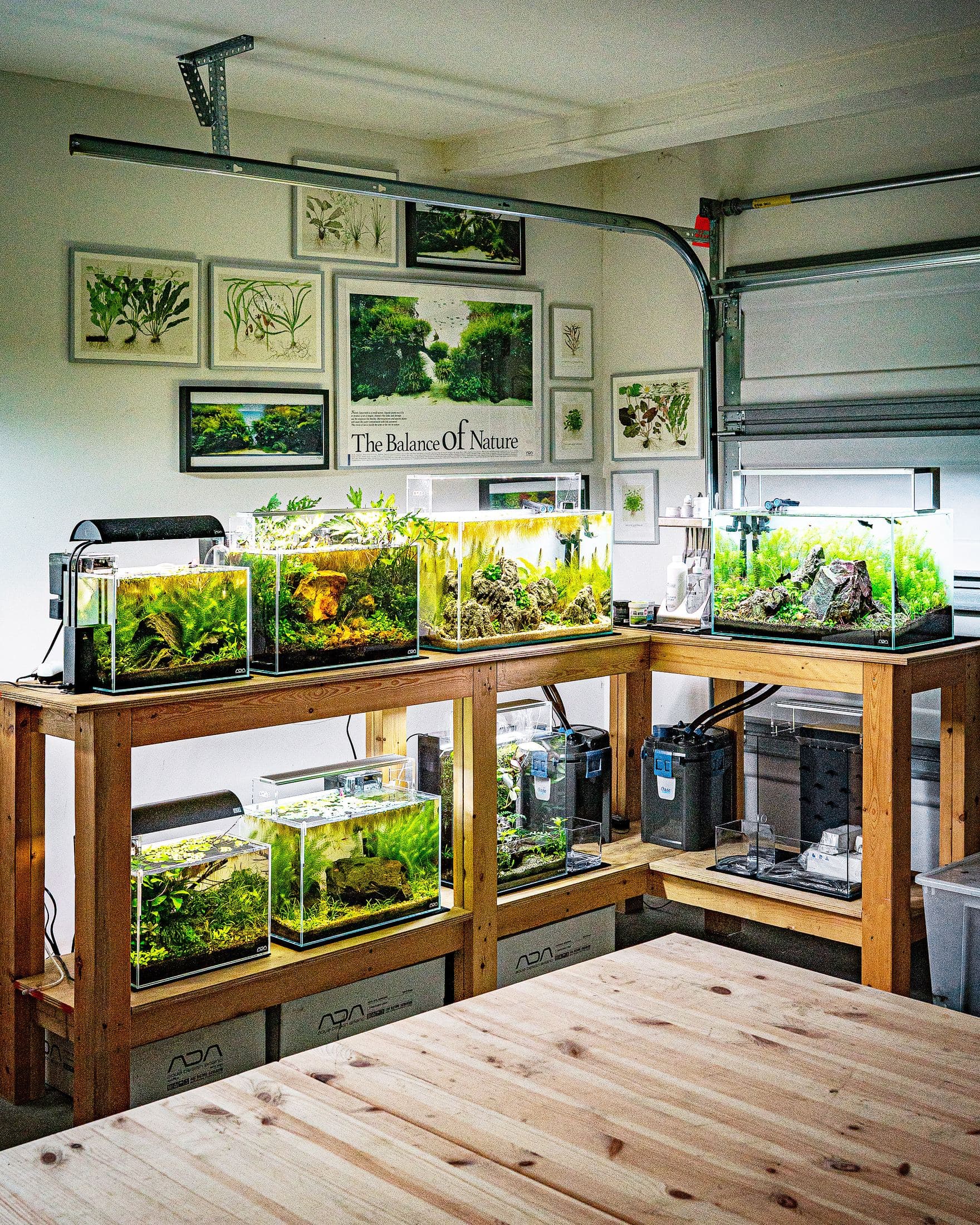
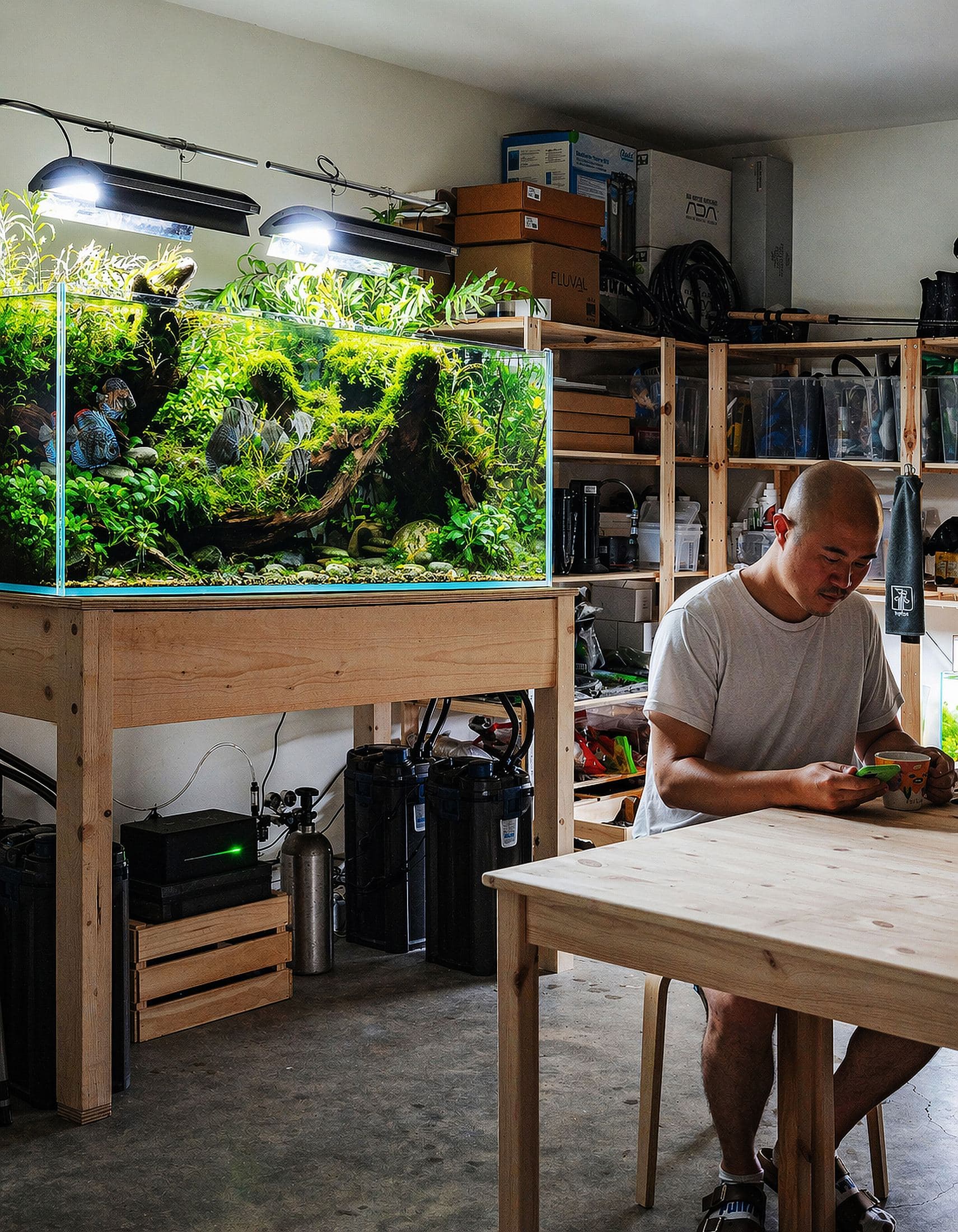
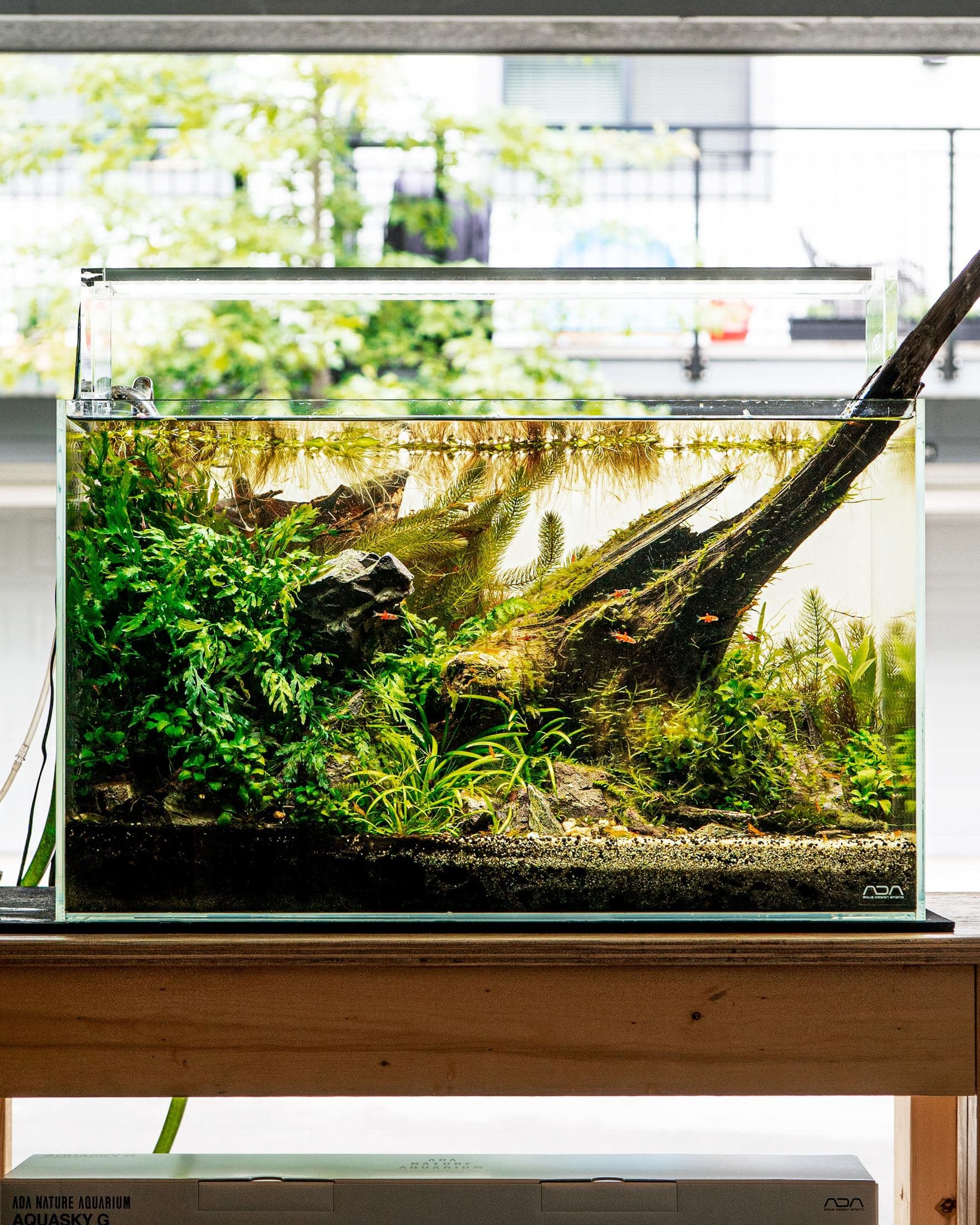
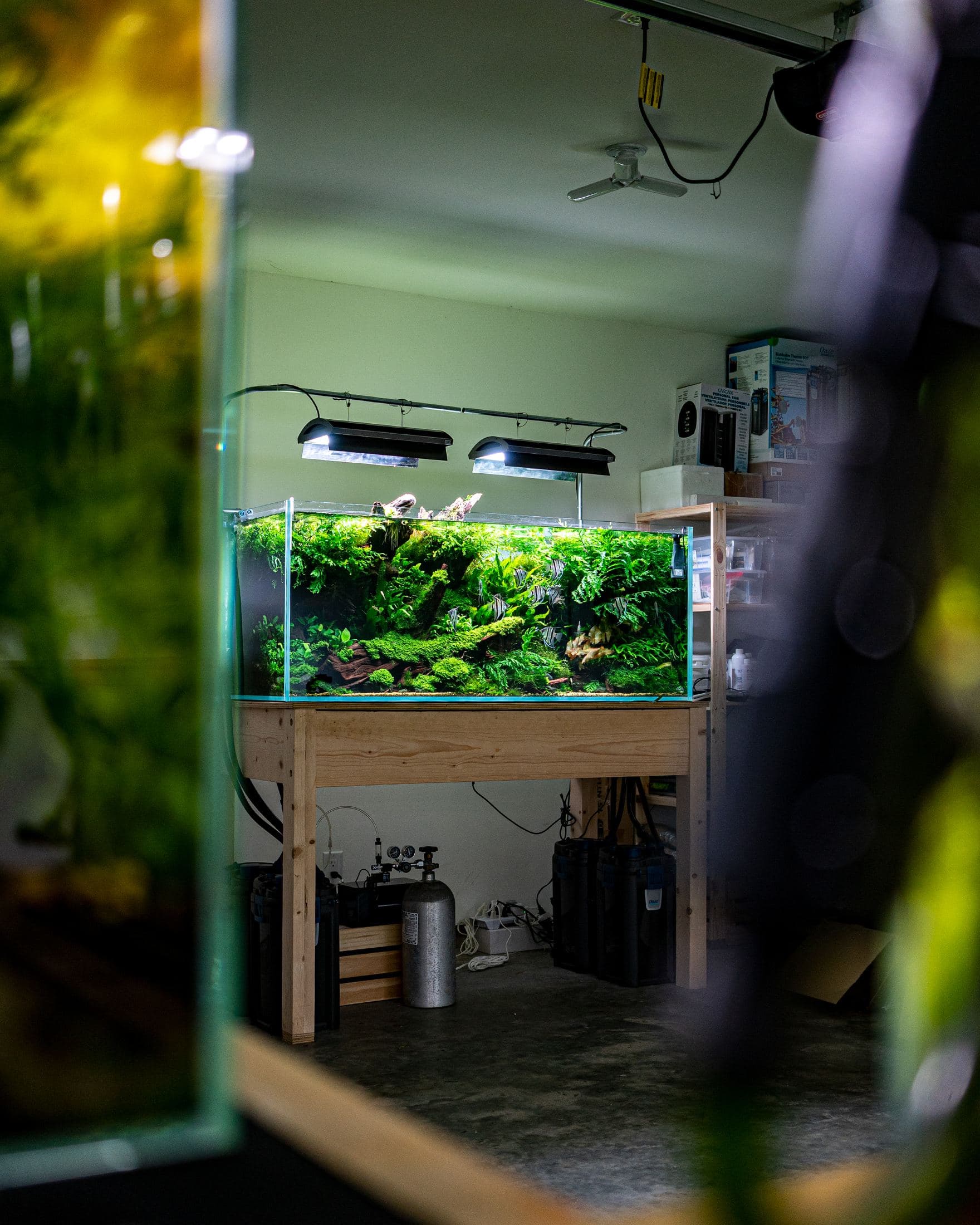
Tiny spheres of oxygen bubble up from underneath the fronds, producing happiness. Photosynthesis, it never gets old. When I'm here, I'll be quick turns eightfold. My long sleeves become cloth towels. Suddenly, there is an endless amount of things to do, and not enough time now. My interest in the hobby began as a rabbit hole on YouTube in an apartment; and culminated into a passion with 14 aquariums in a townhome garage. But lately, time had slowed to a dreadful crawl.
Under the radiance of my makeshift aquascaping gallery, on a round wooden stool, I dissected my moments on Earth. Interestingly, when you devote yourself to your job for nearly 7 years, not having one quickly feels like the end of the world. Then, the insecurities start to flare up. You can hear every sound; see every pixel; feel every emotion; but understand nothing. Even the quiet becomes deafening. Nothing happens. Nothing. Soon, the anxiety passes. Then you brace yourself. Like a perverse case of algae, it just keeps clinging on.
Life is a lot like aquascaping. You make mistakes, and then you clean up after yourself. It's one water change at a time, one step at a time. You can't rush a layout — it's never really mature until it's mature. You'll know when; only when you're ready. You watch it grow every day; but notice only minor differences. And sometimes, big changes are unavoidable. Hard work isn't enough. You start over. Eventually, it's ready again; and you're ready again. Then you see how far you can go this time. Where... am I going?
Aquascape
“School Garden”
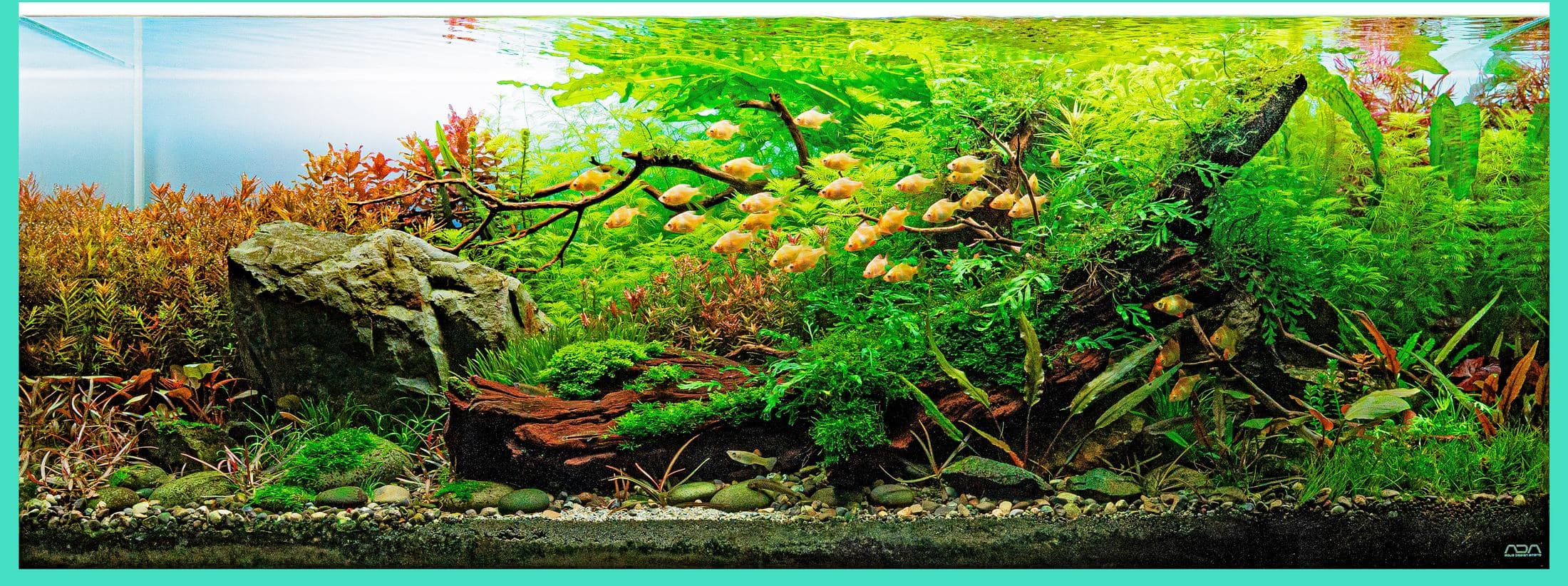
Equipment
- ADA 120P
- ADA SOLAR RGB x2
- Oasé Biomaster 600 x2
Plants
- Aponogeton Boivinianus
- Aponogeton Crispus
- Aponogeton Longiplumulosus
- Blyxa Japonica
- Bolbitis Heudelotii
- Cryptocoryne Undulatus 'Red'
- Cryptocoryne Wendtii 'Green'
- Eleocharis Acicularis 'Mini'
- Hygrophila Araguaia
- Java Moss
- Lagenandra Meeboldii 'Red'
- Lilaeopsis Mauritiana
- Limnophila Aromatica 'Purple'
- Myriophyllum Mattogrossense
- Nymphaea Lotus
- Pogostemon Stellatus
- Ranunculus Inundatus
- Riccardia Chamedryfolia
- Rotala Bonsai
- Rotala H'ra
- Rotala Macranda
Fauna
- Albino Tiger Barb
- Common Molly
- Otocinclus Catfish
- Silver Flying Fox
- Amano Shrimp
- Cherry Shrimp
- Ramshorn Snail
Parameters
- Hardscape Manzanita Wood, ADA Yamaya Stone, Flat River Stone
- Substrate ADA Amazonia, Landscaping Sand, Pea Gravel
- Light Period 7 Hours
- CO₂ 3–4 BPS, 5 Hours
- Temperature 22°C
- Water Change 25%, 2× per week
- TDS 100
Guide
Planting & Trimming
Planting
- My preference is to plant underwater. I rarely do it before flooding.
- For stem plants (ex. Rotala H'ra), plant at a 45 degree angle, then wiggle your tweezers gently out so that substrate fills in the gaps. The key is ensuring the plant does not move out of place so it can get comfortable where it is.
- For epiphytes (ex. Anubias), I usually tie (sometimes glue) them down to lava stone and sink them in place where I want them to grow.
- For moss (ex. Mini Pellia), I like to use aquarium glue (cyanoacrylate gel) and attach them to whatever surface I want it to cover and spread on.
Trimming
- At first, I hated trimming my plants. I loved them so much it made me reluctant to do anything; but they can only grow so much before it chokes off the flow of the tank and causes other issues.
- Regular upkeep of plants actually promotes new growth and is an opportunity to increase your plant mass. It will hurt your heart, but it has to be done.
- For stem plants (ex. Rotala Bonsai), I trim low to the base leaving about 1 inch of bare stem. I then replant the tops close by, re-creating my originally intended shape.
- For epiphytes (ex. Bolbitis), I only trim leaves that are affected by algae or aren't growing well. Eventually you'll be able to trim off a larger section of the rhizome and propagate it.
- For moss (ex. Java Moss), trim often and into the shape you want it to grow into, like a bush. This will help your moss stay compact and is extremely pleasing to the eyes.
Dosing
- Whenever I dosed my tank in the past, I always noticed an increased presence of algae immediately right after. It happens 100% every time — this is why I don't do anything more than remineralizing my water with a dry mix of soluble potash, calcium and magnesium until it reaches 75–100 TDS.
- Two conditions must be met before I consider supplemental dosing: 1) the plants must be growing like crazy and 2) the plants must be showing deficiencies (holes, melting leaves, etc.). If it gets to this point, I would add a couple pumps of an all-in-one fertilizer and look for changes every week.
- Our situations are all different. For me to have found this balance, I have always worked with tap water that is 25 TDS (essentially RO) and/or used ADA Amazonia as my substrate. You may need to work towards a different balance for your setup.
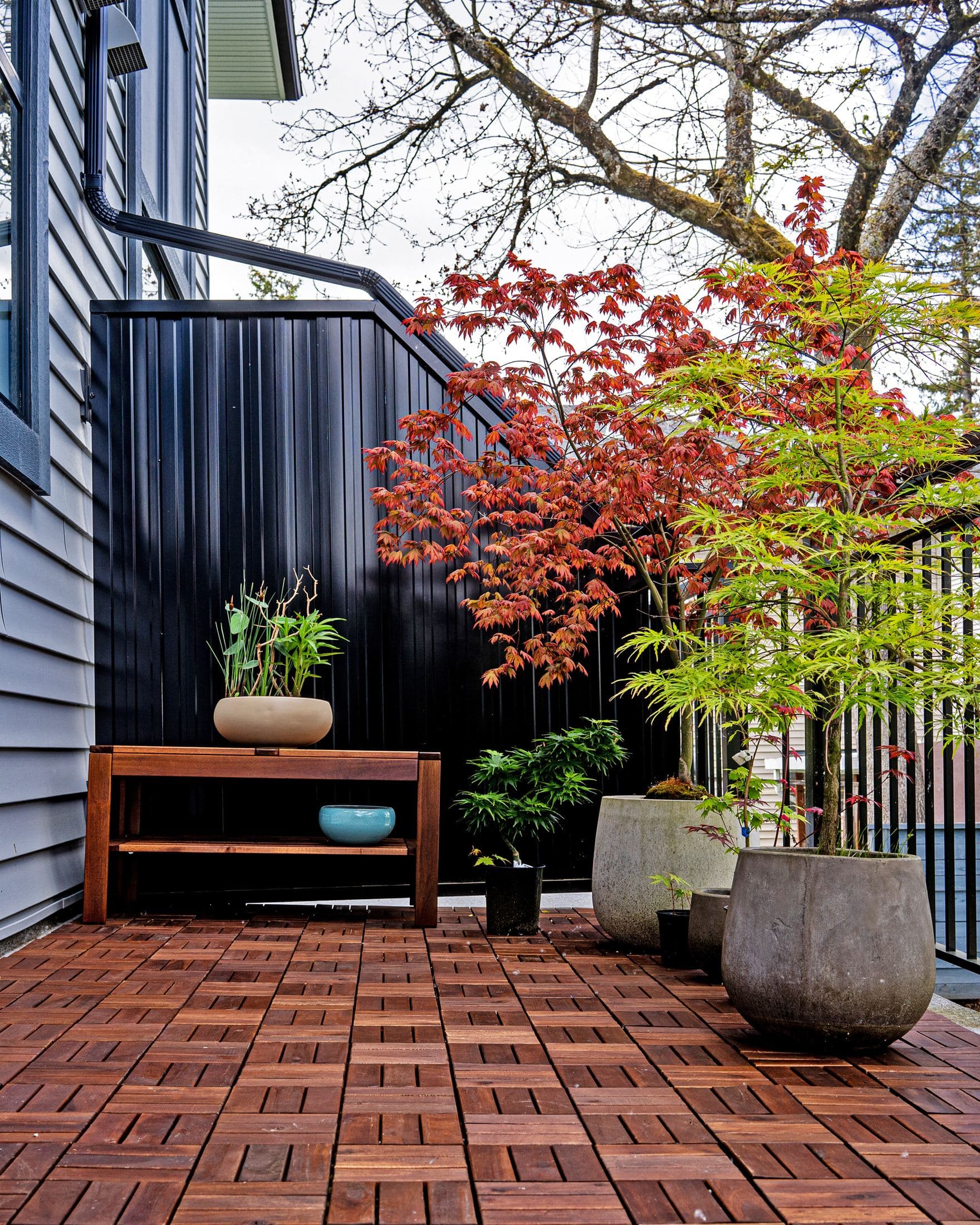
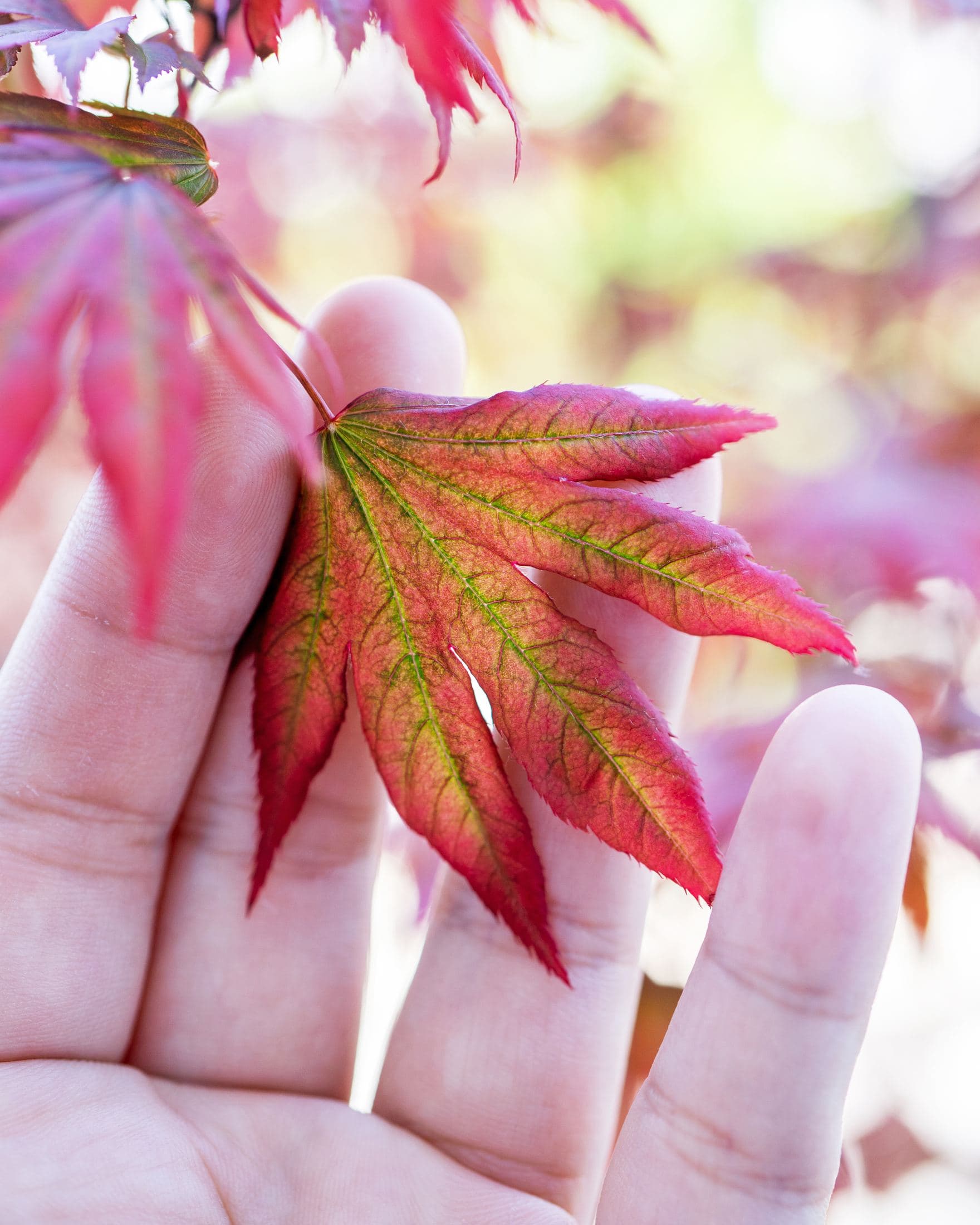
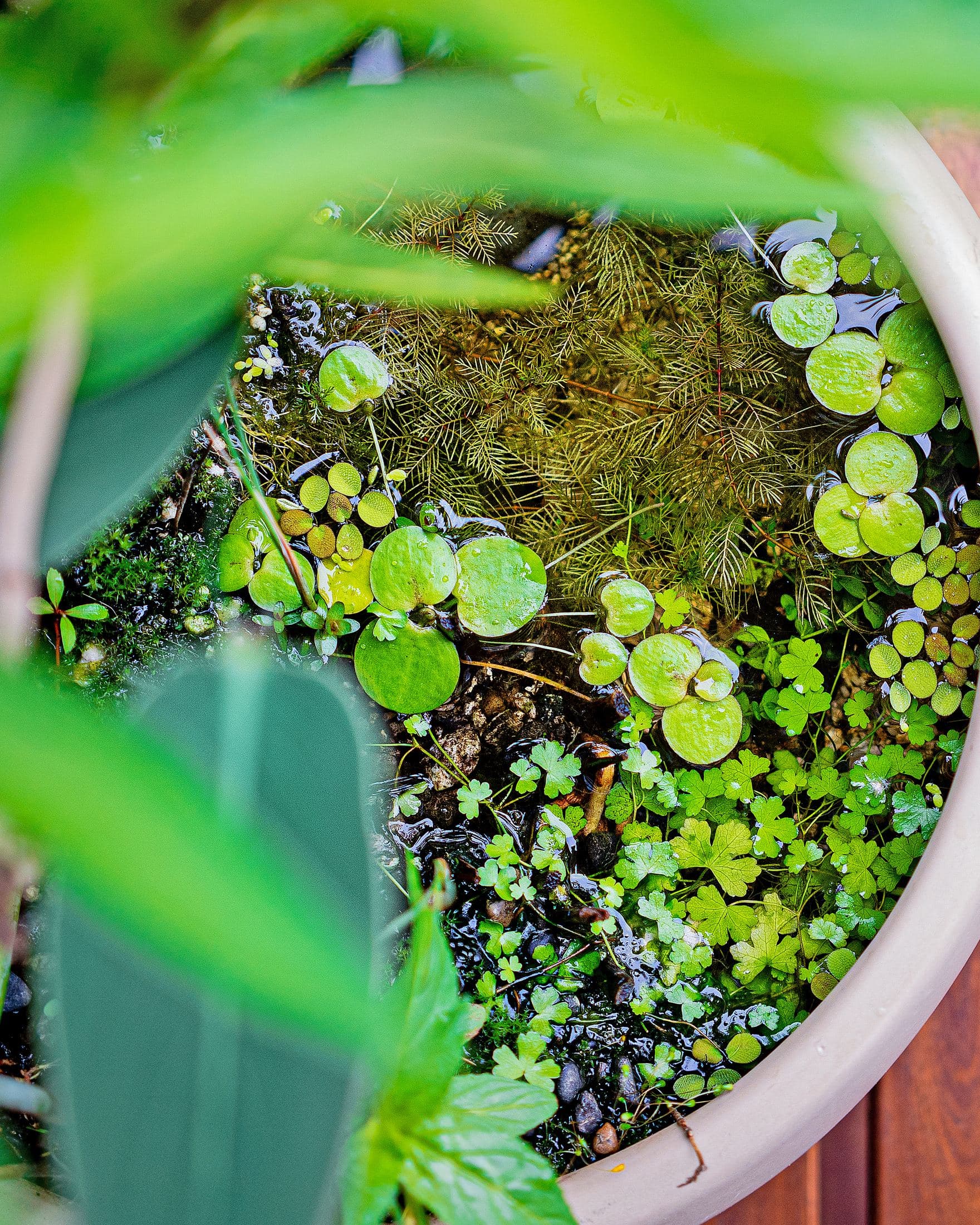
Aquascaping · Photography · Art
Aquascape
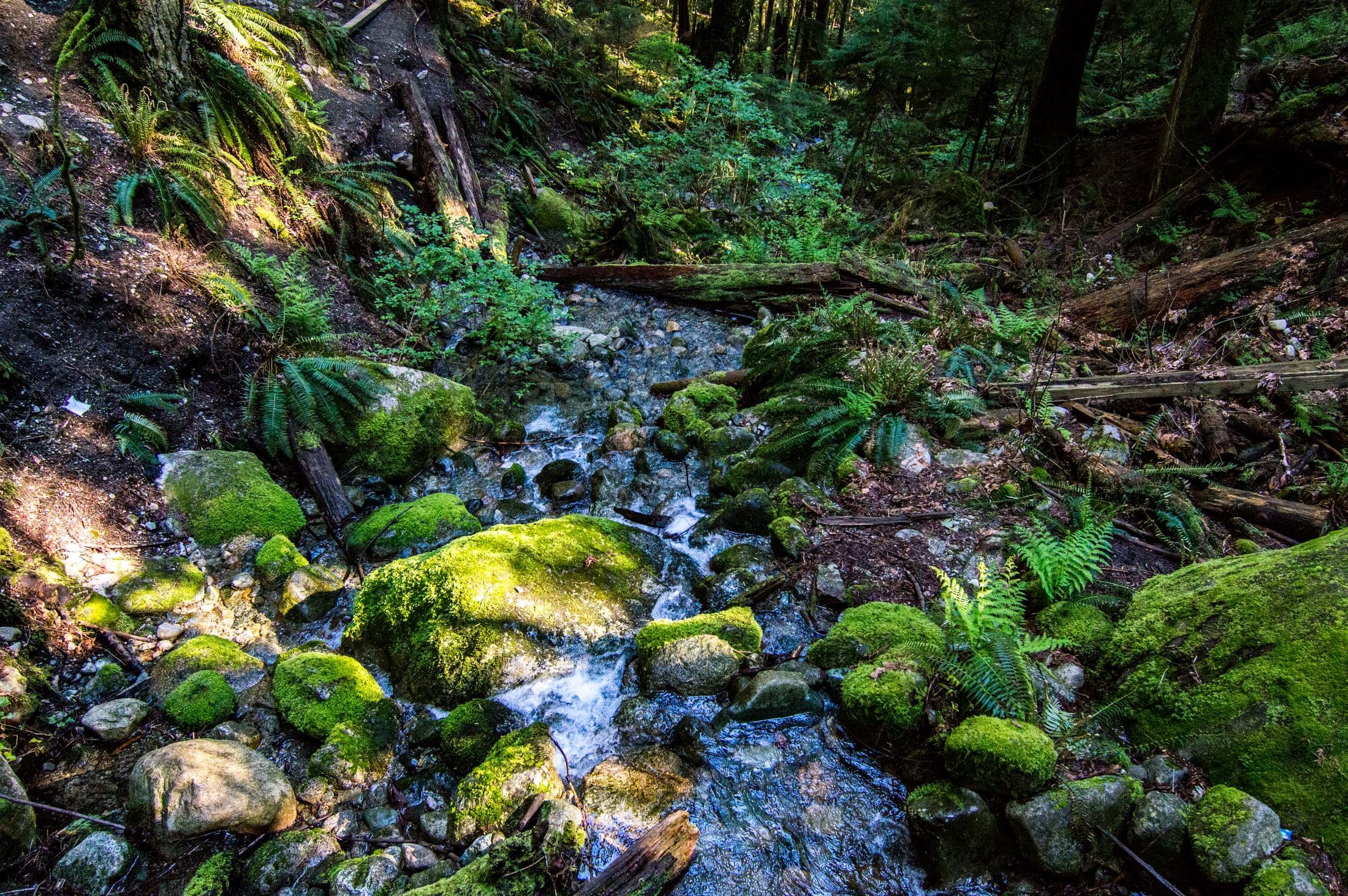
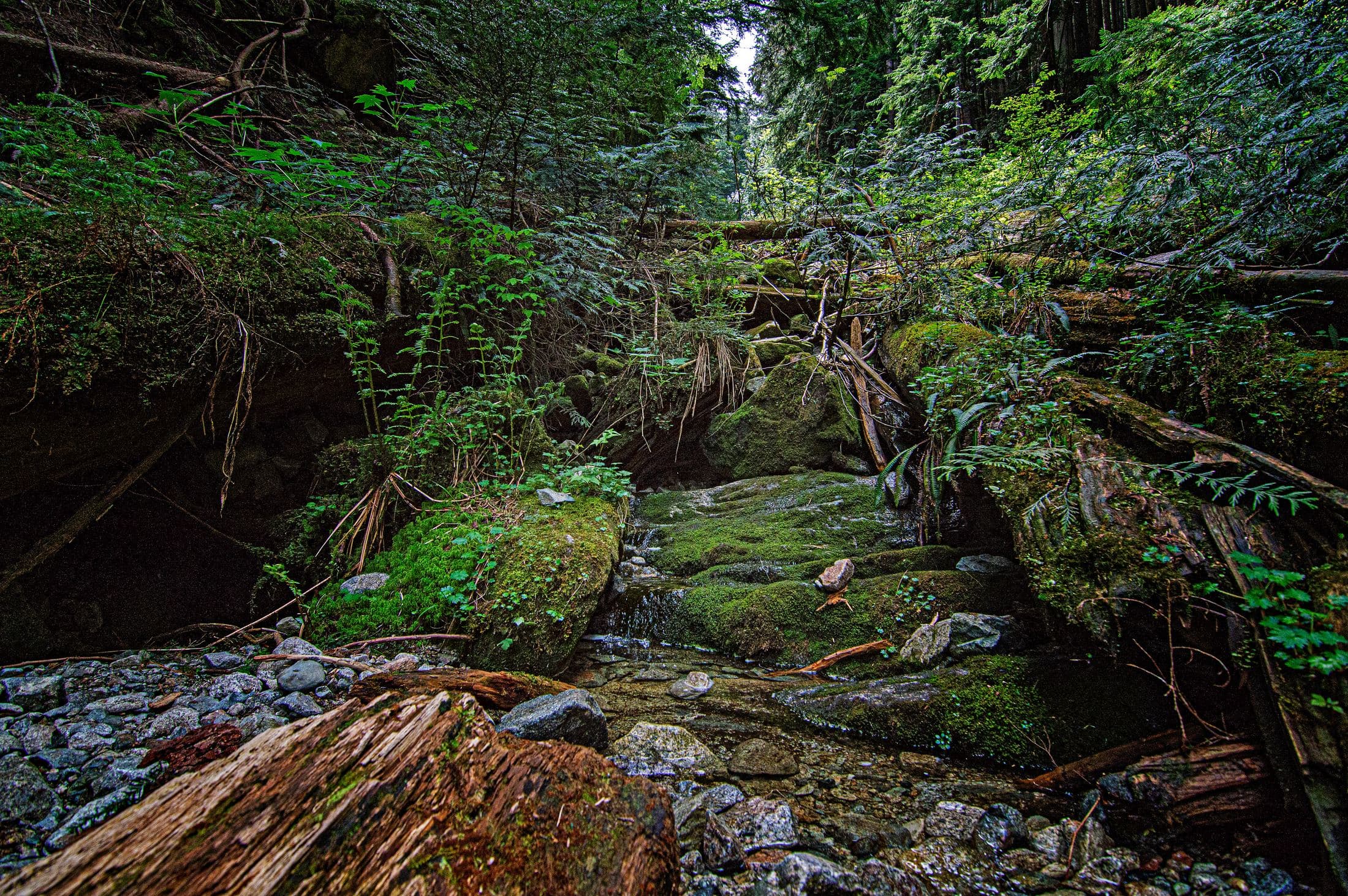
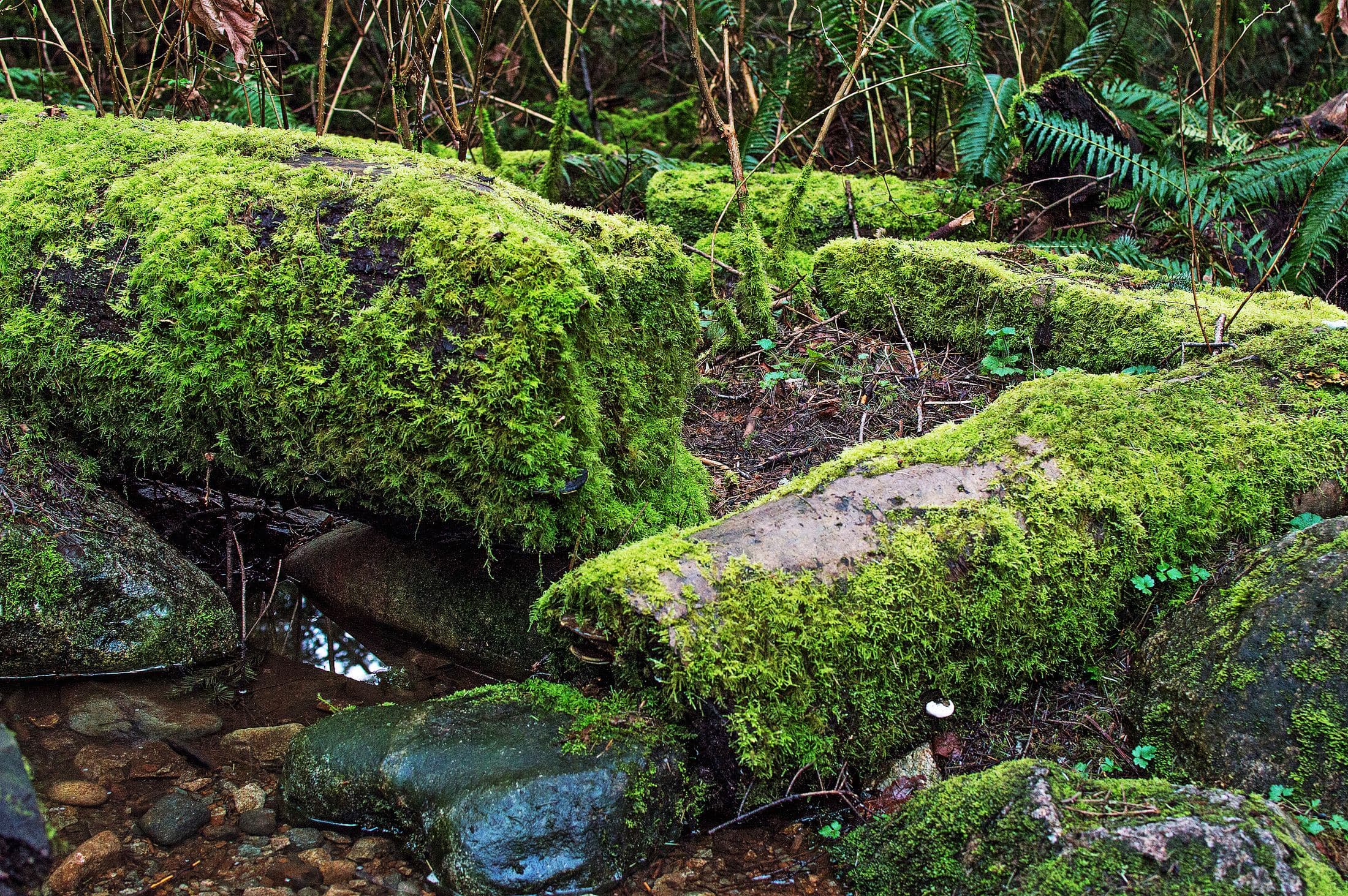
Exploring nature is the homework. The internet is our classroom. The art is your teacher. The final project is your aquascape. And there's no time limit; rescape and redo it as many times as you want. Now, let's go study.
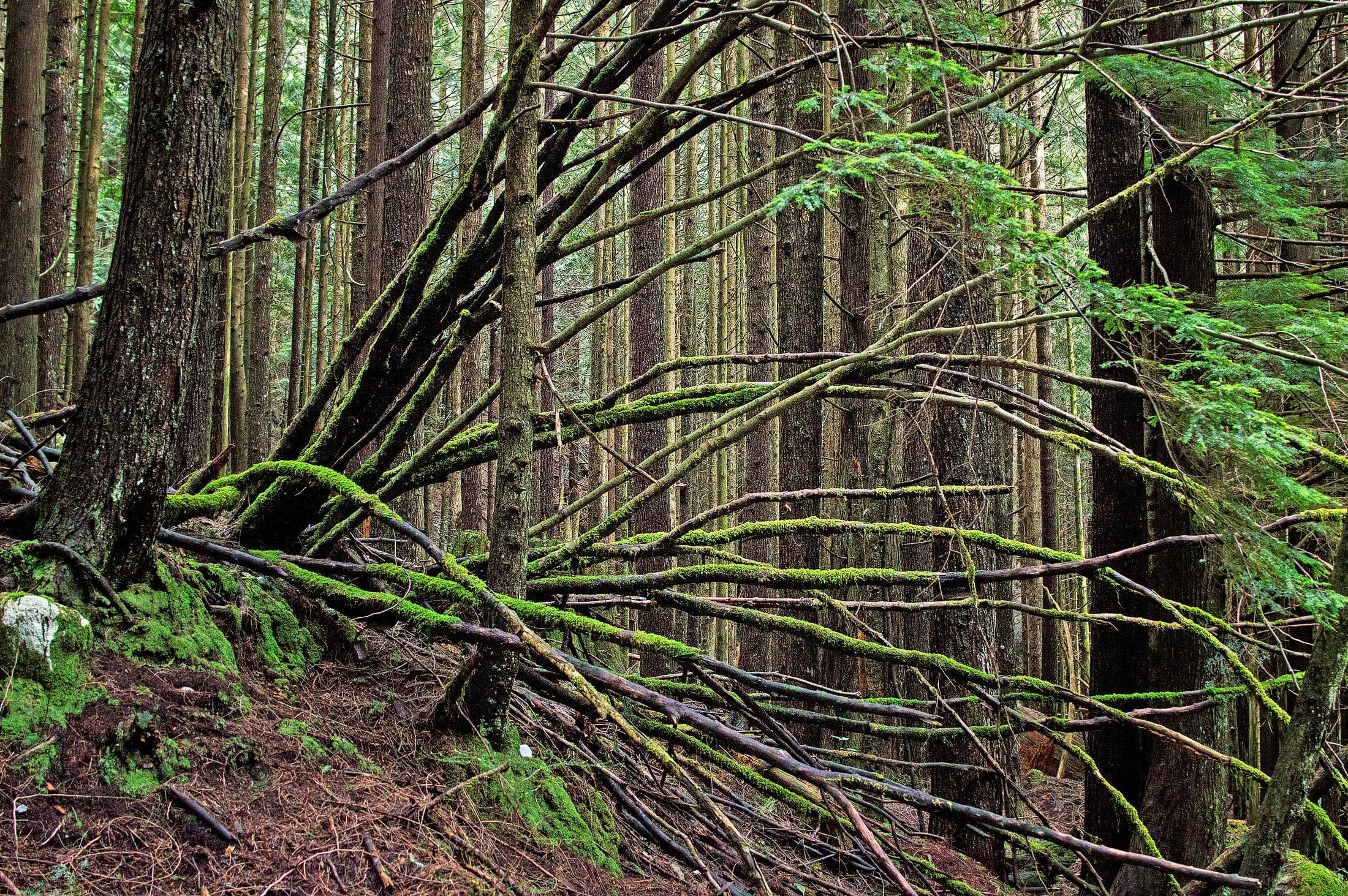
Aquascape
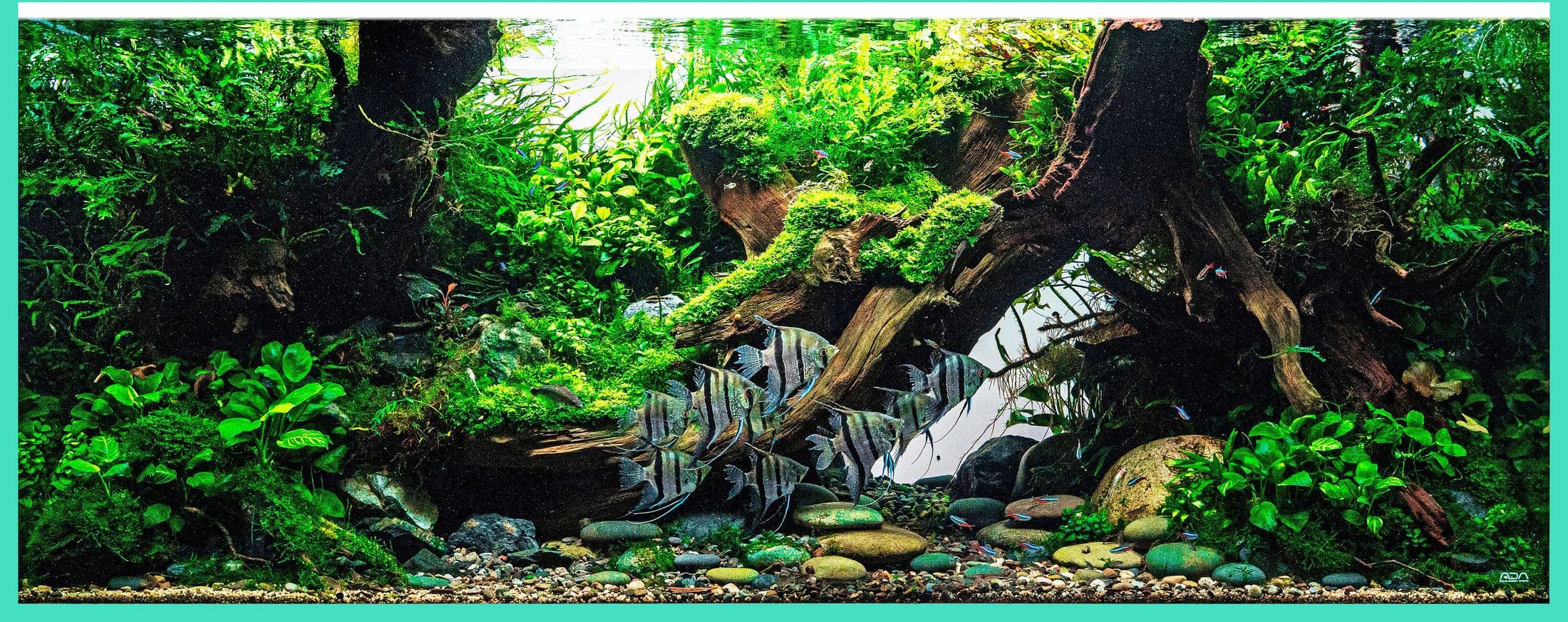
“Nana's Pass”
Equipment
- ADA 150P
- ADA SOLAR RGB x2
- Oasé Biomaster 850 x4
Plants
- Anubias Nana
- Anubias Nana Variegated
- Anubias Petite
- Bolbitis Heudelotii
- Java Fern Narrow
- Java Fern Needle Leaf
- Java Fern Red
- Java Moss
- Nymphaea Stellata
- Riccardia Chamedryfolia
Fauna
- Rio Nanay 'Peru Altum' Angel
- Silver Flying Fox
- Otocinclus Catfish
- Amano Shrimp
- Ramshorn Snail
Parameters
- Hardscape Manzanita Wood, ADA Yamaya Stone
- Substrate ADA Amazonia, ADA La Plata Sand, DOOA River Sand, Lava Stone
- Light Period 7 Hours
- CO₂ 5–6 BPS, 5 Hours
- Temperature 25°C
- Water Change 25%, 2× per week
- TDS 75
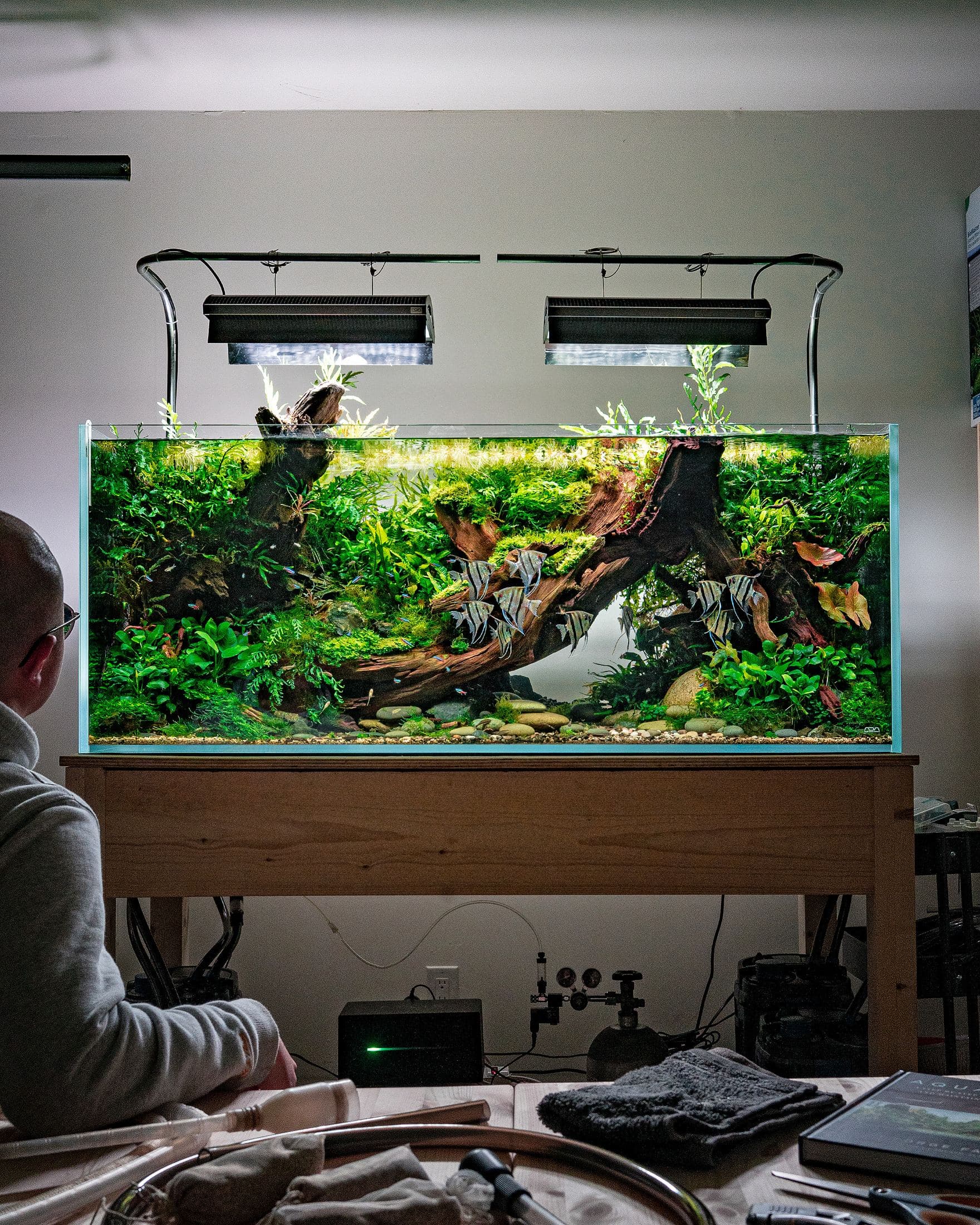
Guide
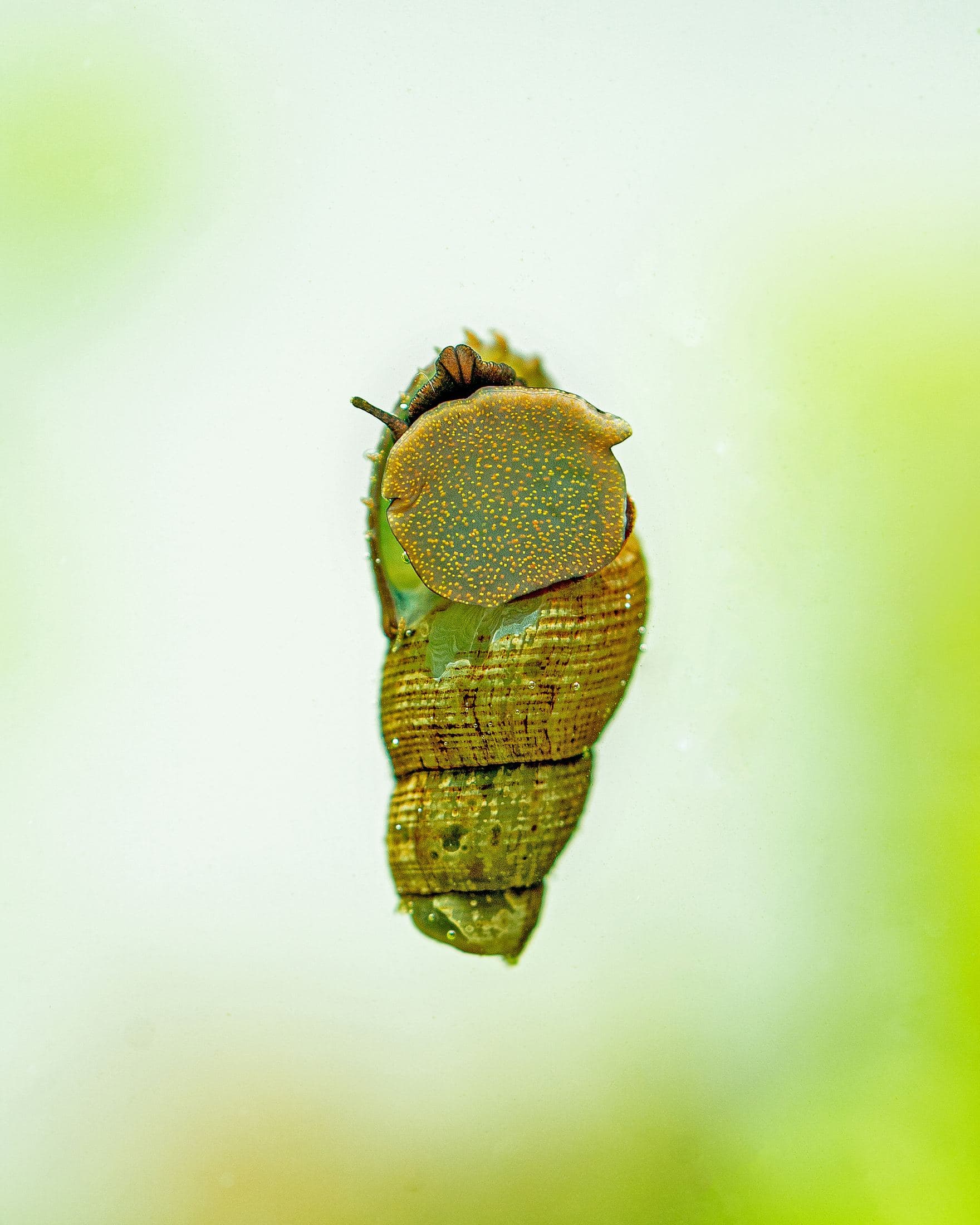
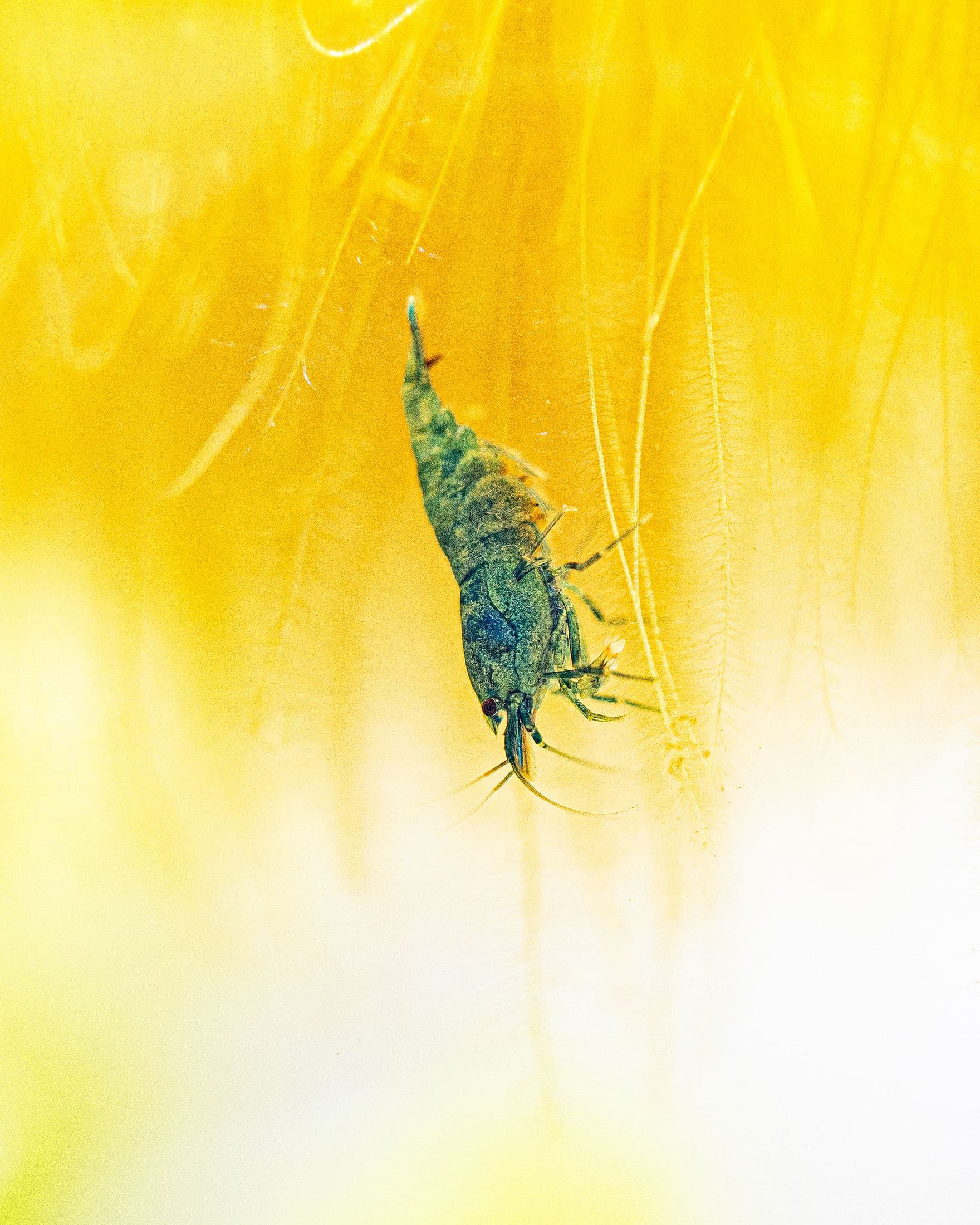
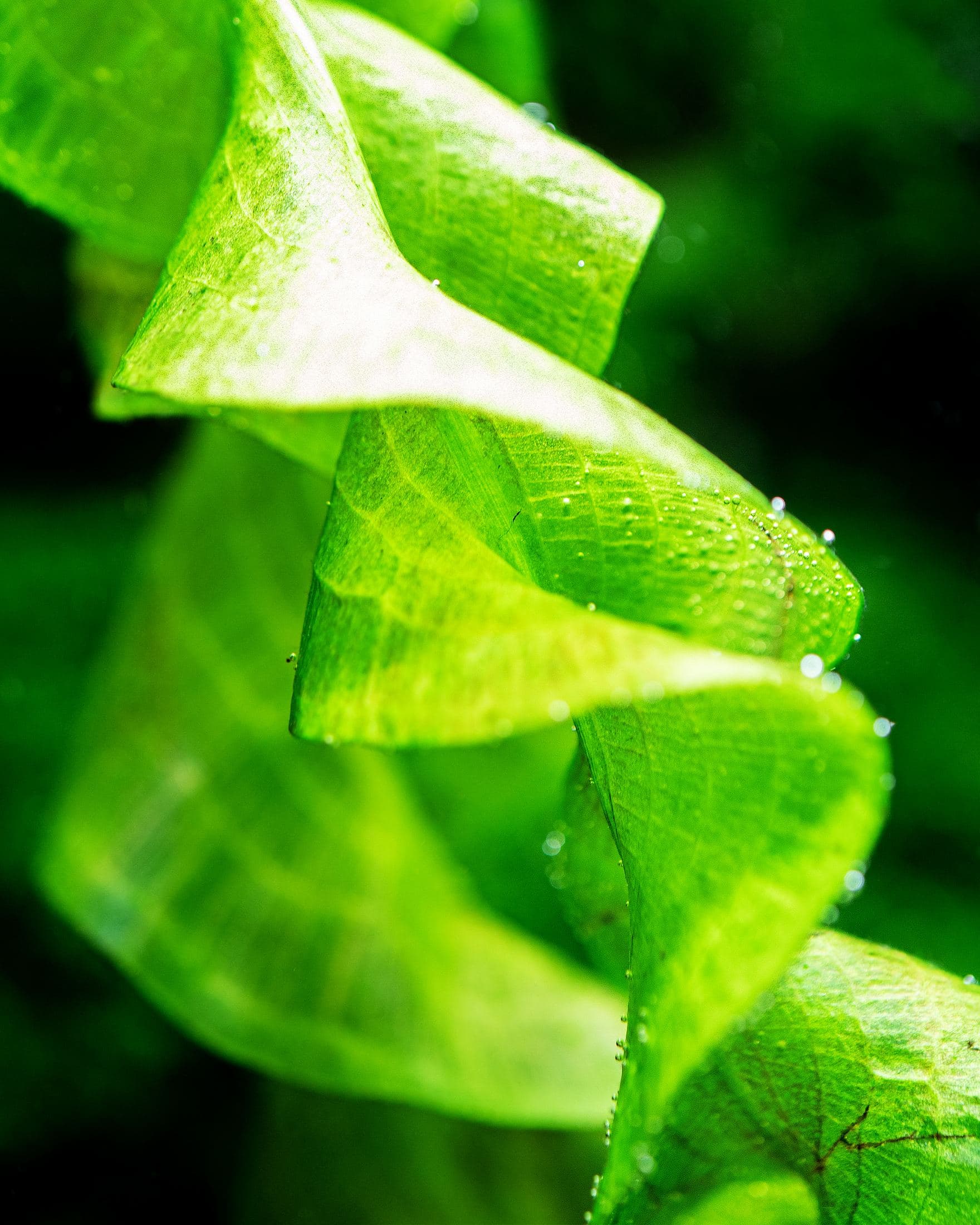
Photography Notes
1. Equipment
- The biggest factor in improving photos you take will not be the equipment itself, but the amount of light available. Newer technology will make it easier, but you don't need the best camera to take great photos.
- "What camera are you using?" is arguably the most common question for photographers. I used a starter camera (Nikon D3200) for 4 years before I upgraded to my Sony A7III. Light is definitely more important.
2. Light
- The main benefit of using a RAW camera is in being able to manipulate the way light data is recorded. The three main ways to do it is with aperture, shutter speed and ISO.
- By controlling the way light enters your camera, you can capture great photos even in poorly and/or dimly lit settings. It won't be perfect, but it will be good enough.
3. Aperture
- If you want a photo where your background behind the subject is all blurry, set your aperture low. If you want everything to be crisp and clear, set your aperture high.
- A lower aperture (ex. F2.8) will keep less of your photo in focus (bokeh effect). A higher aperture (ex. F16) will keep more or the entire photo in focus.
4. Shutter Speed
- Slow shutter speeds let more light in, but at the cost of potentially blurry photos (try to use a tripod or keep your hands extra still). Faster shutter speeds let less light in, but allows you to keep everything in focus with minimal effort.
- If your fish are sluggish swimmers, you can get away with a slower shutter speed (ex. 1/160).
5. ISO
- If your aperture and shutter speed are perfect but your photo is still dark, use the ISO setting to let more light in (or physically add more light). Otherwise, keeping the ISO low will produce cleaner and softer photos.
- A higher ISO (ex. 6400) will let more light in, but produces a grainier photo. A lower ISO (ex. 200) will let less light in, but produces a smoother photo.